4 hours agoPolitics
34LENS
2 SourcesUnited Kingdom
 thebalanced.news
London Police Expand Use of Live Facial Recognition Amid Privacy Concerns
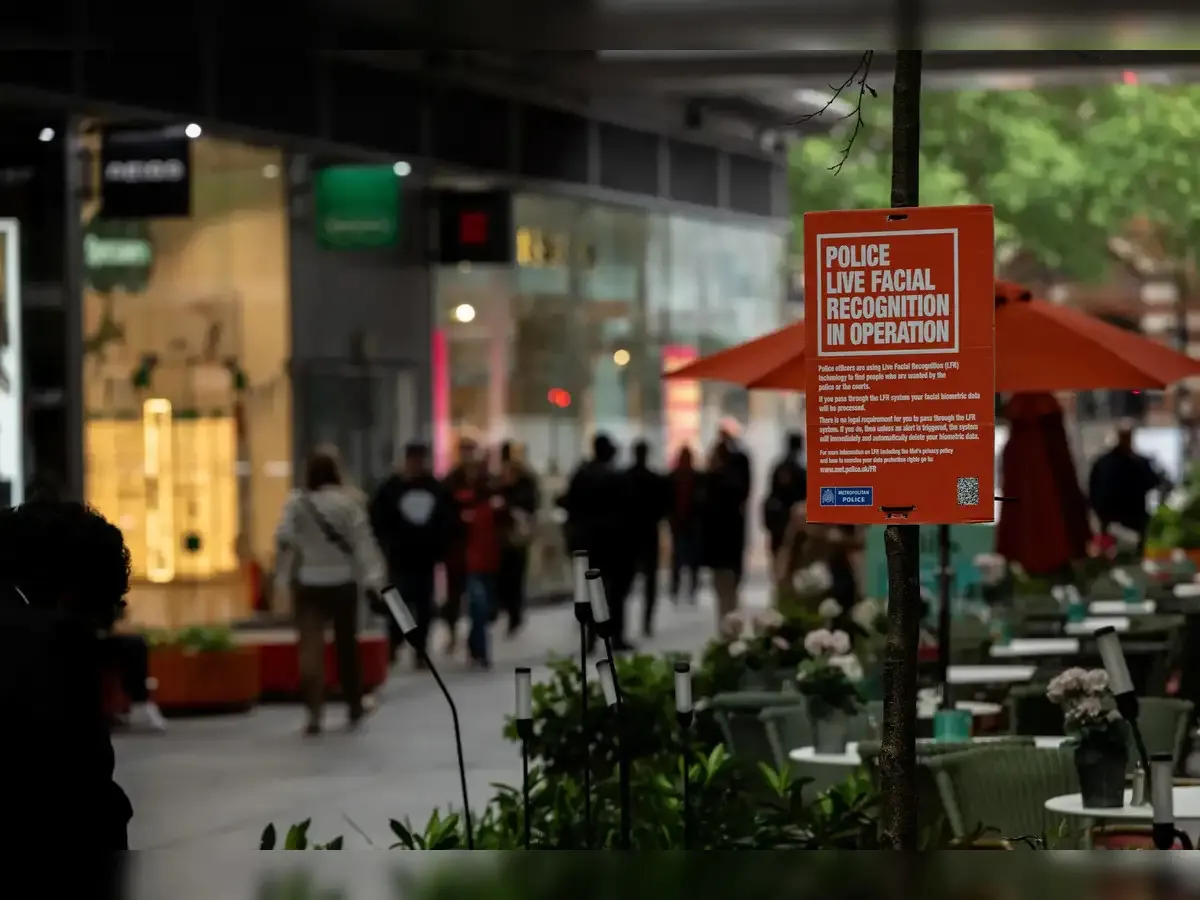
The Metropolitan Police in London have expanded the use of live facial recognition technology, which has helped arrest around 2,500 wanted individuals since early 2024, including suspects of serious crimes. During recent operations in central London, the system generated alerts leading to arrests and questioning. Supporters highlight its effectiveness in identifying offenders, while critics argue it challenges the presumption of innocence by scanning all passers-by. A recent court ruling upheld the technology's use despite legal challenges.
Political Bias
30%65%5%
Sentiment
48%
AI Analysis
Political bias across 2 sources
● Left 30%● Center 65%● Right 5%
The articles present both the police perspective emphasizing public safety and crime prevention benefits, and civil liberties concerns about privacy and legal rights. Official statements from police leadership highlight successes, while critics’ views on potential rights infringements are acknowledged. The coverage balances law enforcement priorities with civil rights debates without favoring either side.
Sentiment — Neutral (48/100)
The overall tone is mixed, combining positive emphasis on the technology’s role in aiding arrests and enhancing security with critical viewpoints regarding privacy and legal implications. The narrative includes factual reporting of incidents and court decisions, reflecting both optimism about policing advances and caution about civil liberties.
How 2 sources covered this story
Each source's own headline, political lean, and sentiment — so you can see framing differences at a glance.
| Source | Their headline | Bias | Sentiment |
|---|---|---|---|
| economictimes | On London's streets, facial recognition tests the balance between security and liberty - The Economic Times | Center | Neutral |
| theprint | On London's streets, facial recognition tests the balance between security and liberty | Center | Neutral |
Coverage timeline
theprint broke this story on 22 May, 02:01 pm. Other outlets followed.
- 1theprint22 May, 02:01 pmOn London's streets, facial recognition tests the balance between security and liberty
- 2economictimes22 May, 06:15 pmOn London's streets, facial recognition tests the balance between security and liberty - The Economic Times
Lens Score breakdown
34/100
Public interest0/100
Coverage gap100%
Well-covered story — coverage matches public importance.
Who's involved
Institutions and figures named across source coverage.
Government
British GovernmentMetropolitan PoliceMetropolitan Police Service
Enforcement
Metropolitan PoliceMetropolitan Police Service
Judiciary
High Court
Story context
- Category
- Politics
- Location
- United Kingdom
- Sources analysed
- 2
- Last analysed
- 22 May 2026
- Key entities
- Victoria (state)Metropolitan PoliceFacial recognition systemPoliceUnited KingdomBiometricsCentral LondonPresumption of innocenceCivil libertiesClosed-circuit televisionChiswickNorth London
Related Coverage
Select a news story to see related coverage from other media outlets.