1 hour agoPolitics
21LENS
2 SourcesPakistan
 thebalanced.news
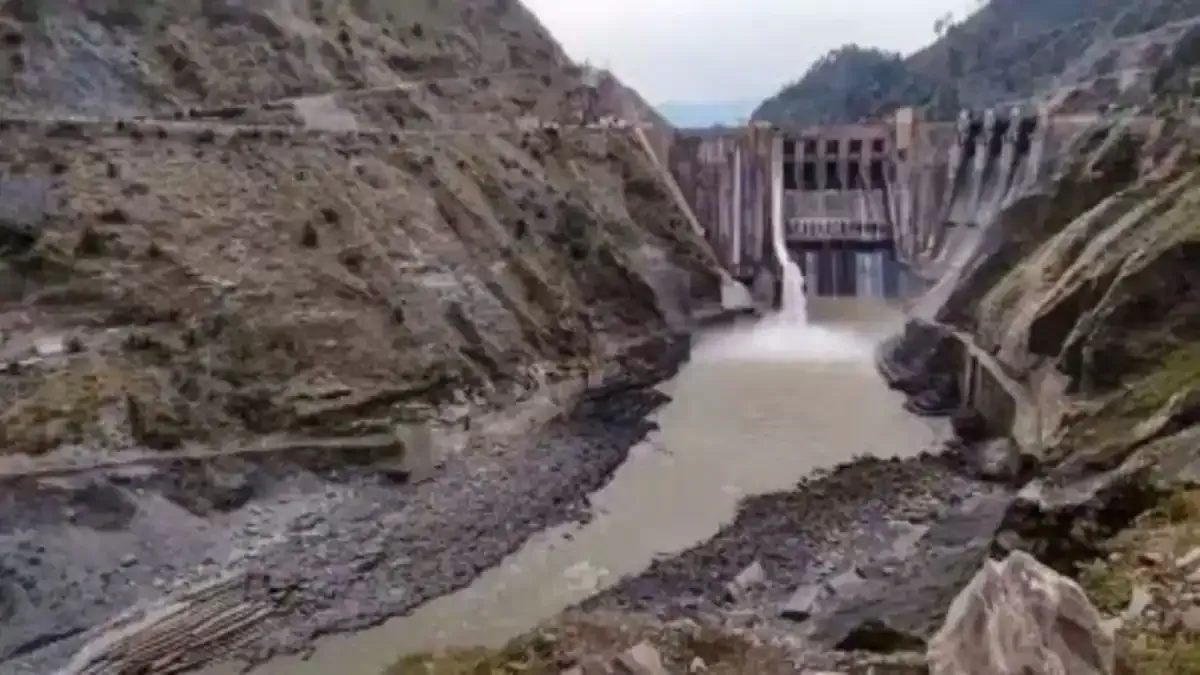
Indus Waters Treaty: Overview of Water Allocation and Negotiation Dynamics Between India and Pakistan
The Indus Waters Treaty, signed in 1960 and brokered by the World Bank, allocated water rights between India and Pakistan with significant asymmetry. India, as the upper riparian state, received rights to the three eastern rivers, while Pakistan was granted the larger western rivers, constituting about 80% of the total water flow. Despite India's developmental needs, the treaty imposed concessions including financial payments to Pakistan and restrictions on water use. Negotiations reflected contrasting approaches, with India showing goodwill and Pakistan adopting a more maximalist stance, resulting in a pact favoring Pakistan's water access.
Political Bias
10%50%40%
Sentiment
35%
AI Analysis
Political bias across 2 sources
● Left 10%● Center 50%● Right 40%
The articles present perspectives highlighting India's concessions and Pakistan's advantageous position in the treaty, reflecting a viewpoint that emphasizes India's goodwill and Pakistan's strategic gains. Both sources frame the treaty as asymmetric but focus on India's rationale and Pakistan's negotiation tactics, representing primarily Indian-centric interpretations without extensive Pakistani viewpoints.
Sentiment — Neutral (35/100)
The overall tone is analytical and critical, focusing on the unequal nature of the treaty and India's sacrifices. While acknowledging the treaty's role in preventing conflict, the sentiment leans toward highlighting India's concessions and Pakistan's aggressive negotiation stance, resulting in a predominantly critical but factual coverage.
How 2 sources covered this story
Each source's own headline, political lean, and sentiment — so you can see framing differences at a glance.
| Source | Their headline | Bias | Sentiment |
|---|---|---|---|
| firstpost | Indus Waters Treaty: How asymmetric obligations turned India's goodwill into concessions | Center | Neutral |
| theprint | Indus Water Treaty: Asymmetric obligations, unequal concessions and Pakistan's aggression | Right | Neutral |
Coverage timeline
theprint broke this story on 30 Apr, 04:21 am. Other outlets followed.
- 1theprint30 Apr, 04:21 amIndus Water Treaty: Asymmetric obligations, unequal concessions and Pakistan's aggression
- 2firstpost30 Apr, 08:42 amIndus Waters Treaty: How asymmetric obligations turned India's goodwill into concessions
Lens Score breakdown
21/100
Public interest0/100
Coverage gap100%
Well-covered story — coverage matches public importance.
Story context
- Category
- Politics
- Location
- Pakistan
- Sources analysed
- 2
- Last analysed
- 30 Apr 2026
- Key entities
- Asymmetric warfareRiverPakistanIndiaIndus RiverRiparian zoneChenab RiverBeas RiverSutlejPrecedentKashmirJhelum
Related Coverage
Select a news story to see related coverage from other media outlets.