1 hour agoPolitics
26LENS
2 SourcesWashington, D.C., United States
 thebalanced.news
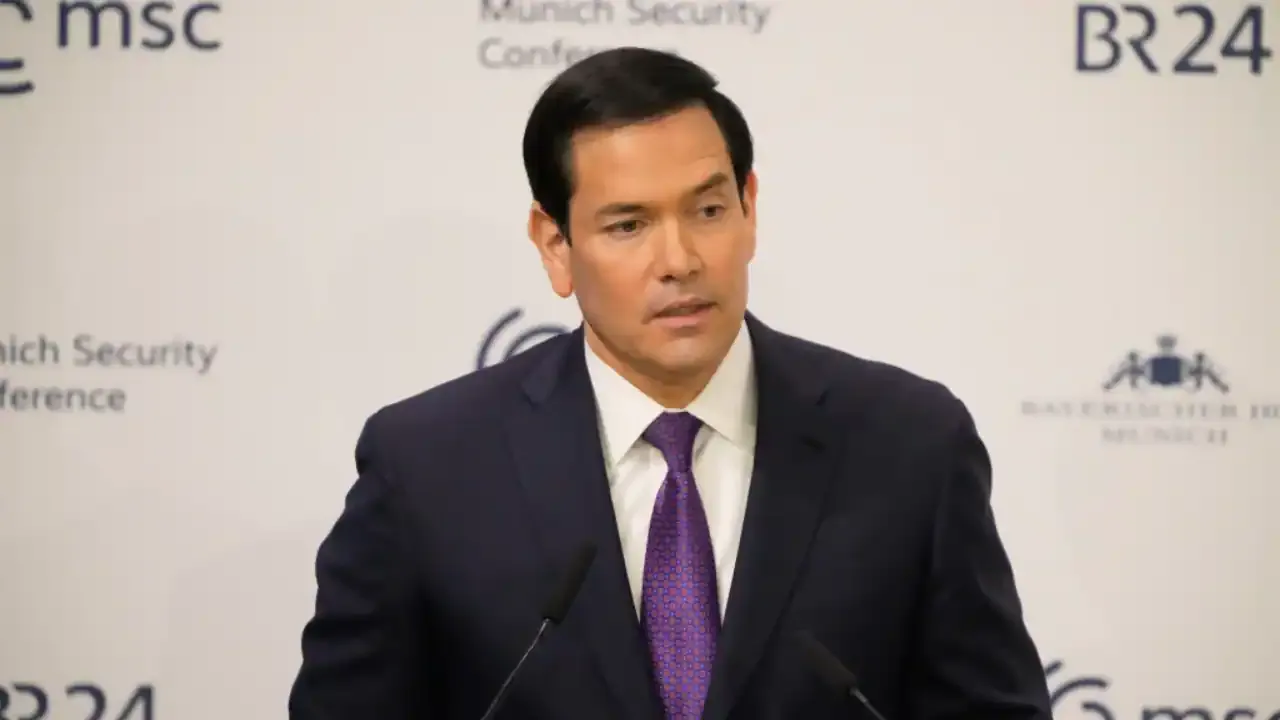
Marco Rubio Absent from Iran Talks as US Shifts Diplomacy Toward White House
As the US engages in new nuclear talks with Iran in Pakistan, Secretary of State Marco Rubio is notably absent from the delegation. Unlike previous administrations where secretaries of state led such negotiations, Rubio, who also serves as National Security Adviser, focuses on coordinating policy from Washington. This dual role reflects a shift in US diplomacy under President Donald Trump, emphasizing White House-led foreign policy with trusted allies like Jared Kushner and Pete Hegseth taking prominent negotiation roles.
Political Bias
5%90%5%
Sentiment
50%
AI Analysis
Political bias across 2 sources
● Left 5%● Center 90%● Right 5%
The articles present perspectives highlighting a shift in US foreign policy under President Trump, focusing on the reduced diplomatic role of Secretary of State Marco Rubio in favor of White House advisors. They reference traditional diplomatic practices and contrast them with current approaches, reflecting viewpoints on administrative changes without endorsing any political stance. Both sources rely on reporting from The New York Times and expert commentary to frame this transition.
Sentiment — Neutral (50/100)
The tone across the articles is neutral and analytical, describing changes in diplomatic roles without expressing approval or criticism. Coverage emphasizes factual reporting on personnel shifts and procedural changes in US foreign policy, maintaining an objective stance that neither praises nor condemns the developments.
How 2 sources covered this story
Each source's own headline, political lean, and sentiment — so you can see framing differences at a glance.
| Source | Their headline | Bias | Sentiment |
|---|---|---|---|
| moneycontrol | Why Marco Rubio is missing from key Iran talks -- and what it says about Trump's diplomacy style- Moneycontrol.com | Center | Neutral |
| news18 | Inside Trump's Iran Talks: Why Rubio And JD Vance Are Missing As Kushner, Hegseth Take Lead | Center | Neutral |
Coverage timeline
news18 broke this story on 25 Apr, 06:52 am. Other outlets followed.
- 1news1825 Apr, 06:52 amInside Trump's Iran Talks: Why Rubio And JD Vance Are Missing As Kushner, Hegseth Take Lead
- 2moneycontrol25 Apr, 10:15 amWhy Marco Rubio is missing from key Iran talks -- and what it says about Trump's diplomacy style- Moneycontrol.com
Lens Score breakdown
26/100
Public interest0/100
Coverage gap100%
Well-covered story — coverage matches public importance.
Who's involved
Institutions and figures named across source coverage.
Government
PentagonState DepartmentWhite HouseUnited States Secretary of State
Story context
- Category
- Politics
- Location
- Washington, D.C., United States
- Sources analysed
- 2
- Last analysed
- 25 Apr 2026
- Key entities
- United States Secretary of StateMarco RubioDonald TrumpIranForeign policyDiplomacyJohn KerryThe New York TimesUkrainePakistanJuris DoctorJared Kushner
Related Coverage
Select a news story to see related coverage from other media outlets.