30 minutes agoPolitics
34LENS
9 SourcesKathmandu, Nepal
 thebalanced.news
Nepal Objects to Kailash Mansarovar Yatra Route via Lipulekh, Reaffirms Territorial Claim
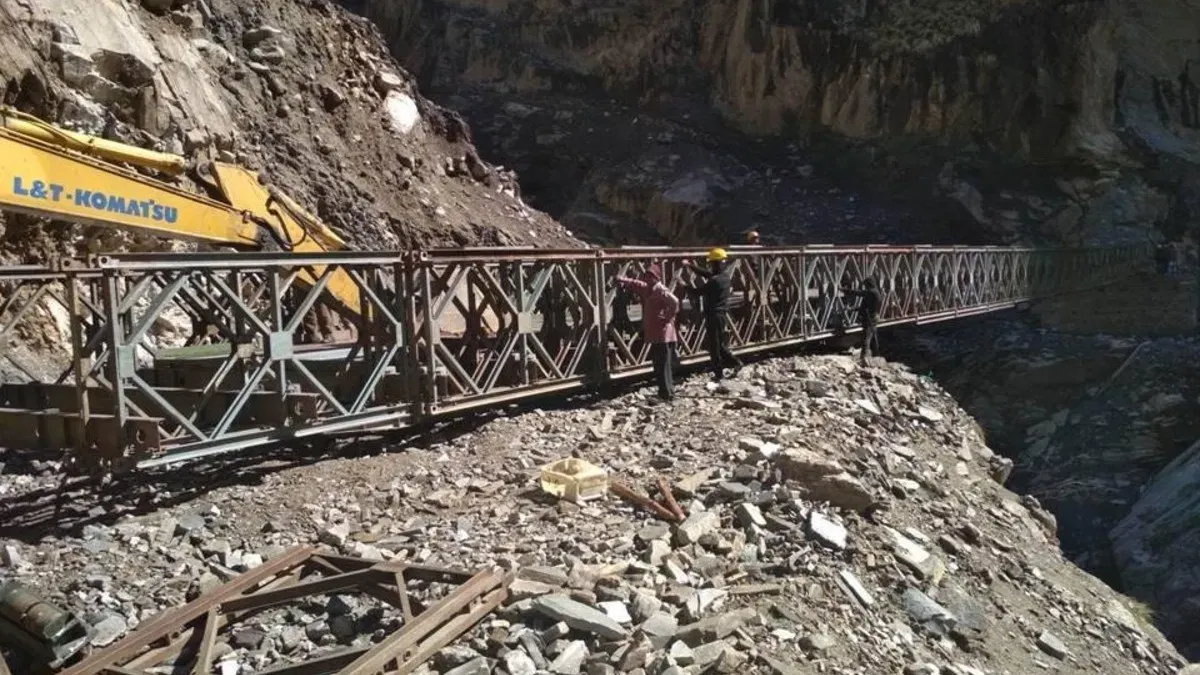
Nepal has formally objected to India and China's plan to conduct the 2026 Kailash Mansarovar Yatra via the Lipulekh Pass, asserting that the area, along with Limpiyadhura and Kalapani east of the Mahakali River, belongs to Nepal based on the 1816 Sugauli Treaty. Kathmandu claims it was not consulted and has urged both countries to refrain from activities like road construction and trade in the disputed region. India maintains the territories belong to it, citing historical trade routes. Nepal emphasizes resolving the dispute through diplomatic channels.
Political Bias
23%69%8%
Sentiment
42%
AI Analysis
Political bias across 9 sources
● Left 23%● Center 69%● Right 8%
The article group presents perspectives primarily from Nepal's government asserting territorial claims based on historical treaties, alongside India's position maintaining sovereignty over the disputed areas. Coverage includes official statements from Nepalese authorities and references to India's historical trade through the pass. The framing is factual, focusing on diplomatic exchanges without favoring either side, reflecting the ongoing bilateral dispute.
Sentiment — Neutral (42/100)
The overall tone across the articles is neutral to cautious, emphasizing diplomatic objections and territorial claims without inflammatory language. The coverage highlights Nepal's formal protest and India's stance factually, with no overtly positive or negative sentiment. The sentiment reflects the sensitivity of the border dispute and the desire for peaceful resolution, maintaining a balanced and measured narrative.
How 9 sources covered this story
Each source's own headline, political lean, and sentiment — so you can see framing differences at a glance.
Coverage timeline
moneycontrol broke this story on 3 May, 04:17 pm. Other outlets followed.
- 1moneycontrol3 May, 04:17 pmNepal objects to Kailash-Mansarovar route via Lipulekh, reasserts territorial claim- Moneycontrol.com
- 2ndtv3 May, 04:23 pmWhy Nepal Is Objecting To India-China Kailash Mansarovar Yatra Plan
- 3theprint3 May, 04:26 pmNepal reiterates territorial claim to Lipulekh Pass, flags concerns over Kailash Mansarovar Yatra
- 4indiatoday3 May, 04:56 pmNepal objects to Kailash Mansarovar yatra via Lipulekh, renews territorial claim
- 5news183 May, 05:18 pmNepal objects to India's plans to conduct Kailash Mansarovar Yatra via Lipulekh
- 6theprint3 May, 05:21 pmNepal objects to India's plans to conduct Kailash Mansarovar Yatra via Lipulekh
- 7thetribune3 May, 05:29 pmNepal objects to Kailash Mansarovar Yatra via Lipulekh, renews territorial claim - The Tribune
- 8economictimes3 May, 06:04 pmNepal objects to India's plans to conduct Kailash Mansarovar Yatra via Lipulekh
- 9freepressjournal3 May, 06:07 pmNepal Objects To India-China Kailash Mansarovar Yatra Via Lipulekh Pass, Claims Territory Belongs To Kathmandu, Not Consulted
Lens Score breakdown
34/100
Public interest0/100
Coverage gap100%
Well-covered story — coverage matches public importance.
Who's involved
Institutions and figures named across source coverage.
Government
Nepal Ministry of Foreign AffairsForeign Ministry of NepalGovernment of IndiaGovernment of NepalGovernment of China
Story context
- Category
- Politics
- Location
- Kathmandu, Nepal
- Sources analysed
- 9
- Last analysed
- 3 May 2026
- Key entities
- Lipulekh PassNepalIndiaChinaYatraKalapani territoryTreaty of SugauliLake ManasarovarNew DelhiKathmanduSharda RiverGovernment of Nepal
Related Coverage
Select a news story to see related coverage from other media outlets.