2 hours agoPolitics
34LENS
29 SourcesKathmandu, Nepal
 thebalanced.news
Nepal Objects to Kailash Mansarovar Yatra via Lipulekh Pass; India Rejects Territorial Claims
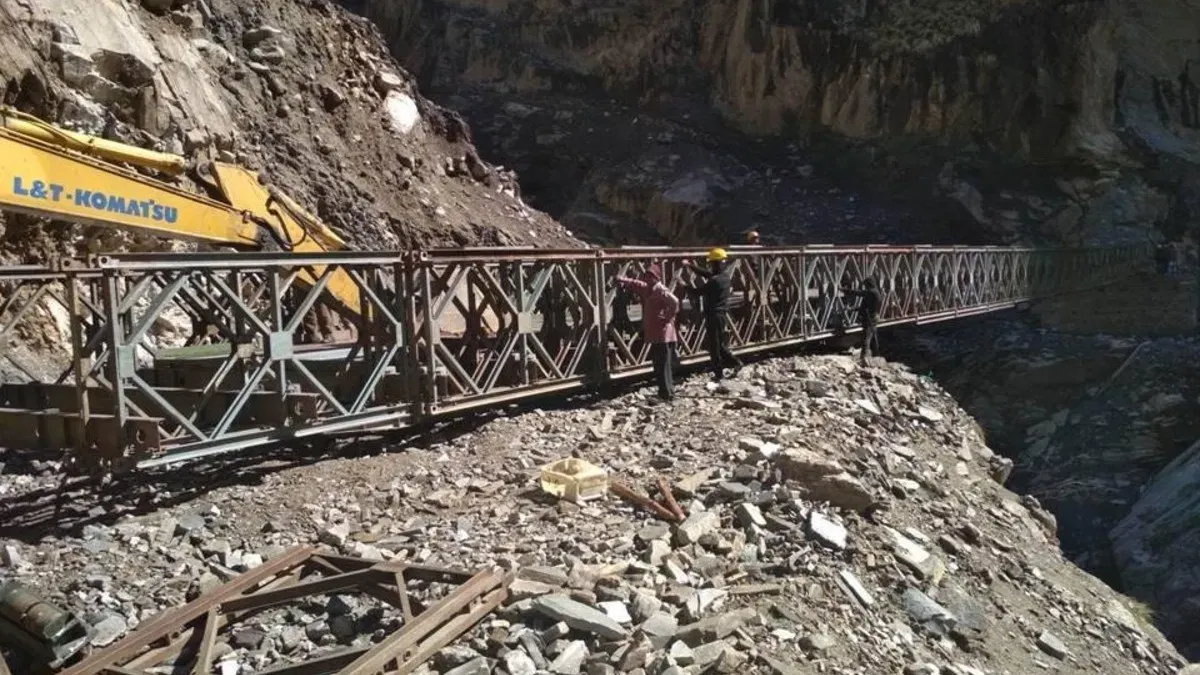
Nepal has formally objected to India and China conducting the upcoming Kailash Mansarovar Yatra via the Lipulekh Pass, asserting that the area, along with Limpiyadhura and Kalapani east of the Mahakali River, belongs to Nepal based on the 1816 Sugauli Treaty. Nepal claims it was not consulted and has urged India to refrain from activities in the disputed region. India rejects these claims, stating the route has been used since 1954 and calls Nepal's territorial assertions "untenable." Both countries emphasize resolving the dispute through diplomatic dialogue.
Political Bias
18%71%11%
Sentiment
44%
AI Analysis
Political bias across 29 sources
● Left 18%● Center 71%● Right 11%
The article group presents two primary perspectives: Nepal's assertion of territorial claims over Lipulekh, Limpiyadhura, and Kalapani based on historical treaties, and India's rejection of these claims citing longstanding use of the route and historical evidence. Coverage includes official statements from both governments, reflecting diplomatic tensions without favoring either side. The sources frame the dispute as a sensitive bilateral issue with ongoing dialogue potential.
Sentiment — Neutral (44/100)
The overall tone across the articles is neutral to cautious, focusing on official objections and responses without emotive language. Nepal's stance is presented as firm but diplomatic, while India's rebuttal is firm yet open to dialogue. The coverage highlights the dispute's sensitivity and the importance of peaceful resolution, resulting in a balanced and measured sentiment.
How 9 sources covered this story
Each source's own headline, political lean, and sentiment — so you can see framing differences at a glance.
Coverage timeline
moneycontrol broke this story on 3 May, 04:17 pm. Other outlets followed.
- 1moneycontrol3 May, 04:17 pmNepal objects to Kailash-Mansarovar route via Lipulekh, reasserts territorial claim- Moneycontrol.com
- 2ndtv3 May, 04:23 pmWhy Nepal Is Objecting To India-China Kailash Mansarovar Yatra Plan
- 3theprint3 May, 04:26 pmNepal reiterates territorial claim to Lipulekh Pass, flags concerns over Kailash Mansarovar Yatra
- 4indiatoday3 May, 04:56 pmNepal objects to Kailash Mansarovar yatra via Lipulekh, renews territorial claim
- 5news183 May, 05:18 pmNepal objects to India's plans to conduct Kailash Mansarovar Yatra via Lipulekh
- 6theprint3 May, 05:21 pmNepal objects to India's plans to conduct Kailash Mansarovar Yatra via Lipulekh
- 7thetribune3 May, 05:29 pmNepal objects to Kailash Mansarovar Yatra via Lipulekh, renews territorial claim - The Tribune
- 8economictimes3 May, 06:04 pmNepal objects to India's plans to conduct Kailash Mansarovar Yatra via Lipulekh
- 9freepressjournal3 May, 06:07 pmNepal Objects To India-China Kailash Mansarovar Yatra Via Lipulekh Pass, Claims Territory Belongs To Kathmandu, Not Consulted
Lens Score breakdown
34/100
Public interest0/100
Coverage gap100%
Well-covered story — coverage matches public importance.
Who's involved
Institutions and figures named across source coverage.
Government
Nepal Ministry of Foreign AffairsForeign Ministry of NepalGovernment of IndiaGovernment of NepalGovernment of China
Story context
- Category
- Politics
- Location
- Kathmandu, Nepal
- Sources analysed
- 29
- Last analysed
- 4 May 2026
- Key entities
- Lipulekh PassLake ManasarovarNepalIndiaChinaYatraKathmanduMinistry of External Affairs (India)New DelhiKalapani territoryTreaty of SugauliUttarakhand
Related Coverage
Select a news story to see related coverage from other media outlets.