1 hour agoPolitics
23LENS
2 SourcesWest Bengal, India
 thebalanced.news
Five Key Factors and Leaders Shape 2026 West Bengal Assembly Election Battle
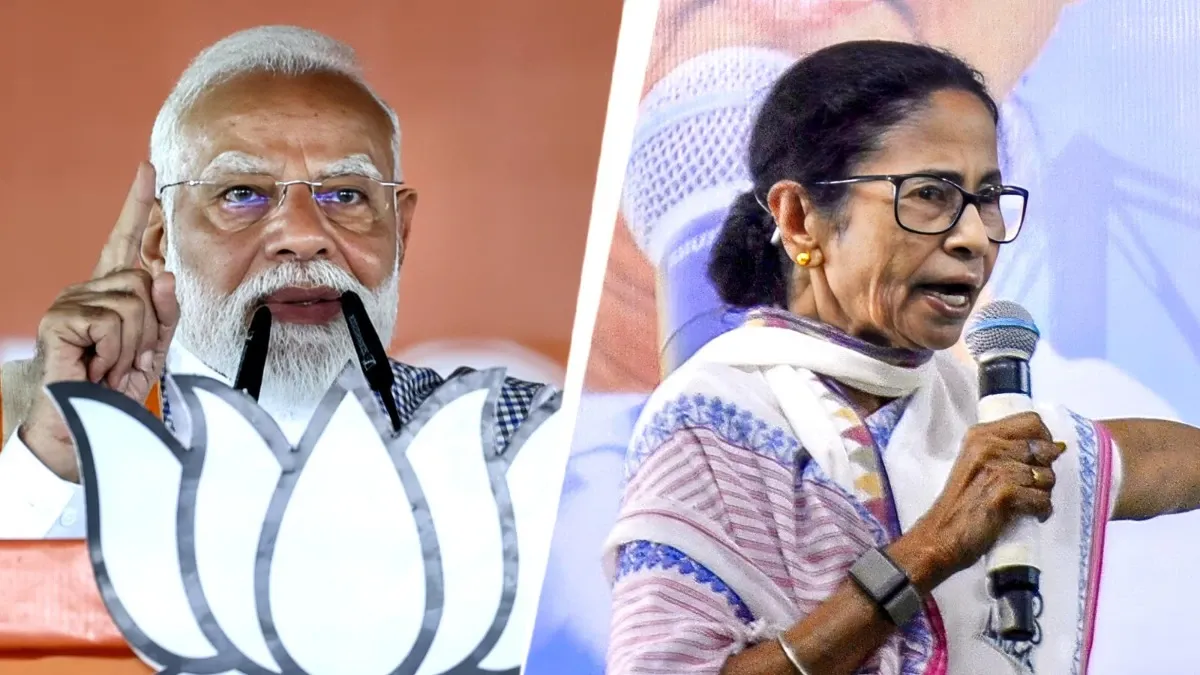
The 2026 West Bengal Assembly elections mark a shift from Chief Minister Mamata Banerjee's longstanding 'maa, maati, manush' campaign to a focus on five key factors: Muslim voters, women (mahila), migrants, the Matua community, and the BJP's extensive election machinery. Alongside these, the roles of Prime Minister Narendra Modi and Mamata Banerjee remain influential in shaping the electoral contest, reflecting a broader and more complex political landscape.
Political Bias
40%45%15%
Sentiment
52%
AI Analysis
Political bias across 2 sources
● Left 40%● Center 45%● Right 15%
The articles present perspectives centered on the evolving electoral dynamics in West Bengal, highlighting both the ruling Trinamool Congress's traditional appeal and the BJP's growing influence. They emphasize the significance of demographic groups and political leaders without endorsing any party, reflecting a balanced view of the contest's complexity.
Sentiment — Neutral (52/100)
The tone across the articles is neutral and analytical, focusing on the changing political strategies and voter demographics in West Bengal. There is no evident positive or negative sentiment toward any party or leader, maintaining an objective overview of the election landscape.
How 2 sources covered this story
Each source's own headline, political lean, and sentiment — so you can see framing differences at a glance.
| Source | Their headline | Bias | Sentiment |
|---|---|---|---|
| news18 | Five New Ms Take Centre Stage In Bengal Poll-Battle, Shift Focus From Mamata's 'Maa, Maati, Manush' | Center | Neutral |
| indiatoday | The seven Ms setting the tone for Bengal high-stakes poll battle | Center | Neutral |
Coverage timeline
indiatoday broke this story on 4 May, 03:40 am. Other outlets followed.
- 1indiatoday4 May, 03:40 amThe seven Ms setting the tone for Bengal high-stakes poll battle
- 2news184 May, 04:19 amFive New Ms Take Centre Stage In Bengal Poll-Battle, Shift Focus From Mamata's 'Maa, Maati, Manush'
Lens Score breakdown
23/100
Public interest0/100
Coverage gap100%
Well-covered story — coverage matches public importance.
Who's involved
Institutions and figures named across source coverage.
Political
Trinamool CongressBharatiya Janata PartyWest Bengal Chief Minister Mamata BanerjeeBJP
Story context
- Category
- Politics
- Location
- West Bengal, India
- Sources analysed
- 2
- Last analysed
- 4 May 2026
- Key entities
- Chief ministerWest BengalMamata BanerjeeMuslimsBharatiya Janata PartyBengalNarendra Modi
Related Coverage
Select a news story to see related coverage from other media outlets.