55 minutes agoPolitics
25LENS
32 SourcesDelhi, India
 thebalanced.news
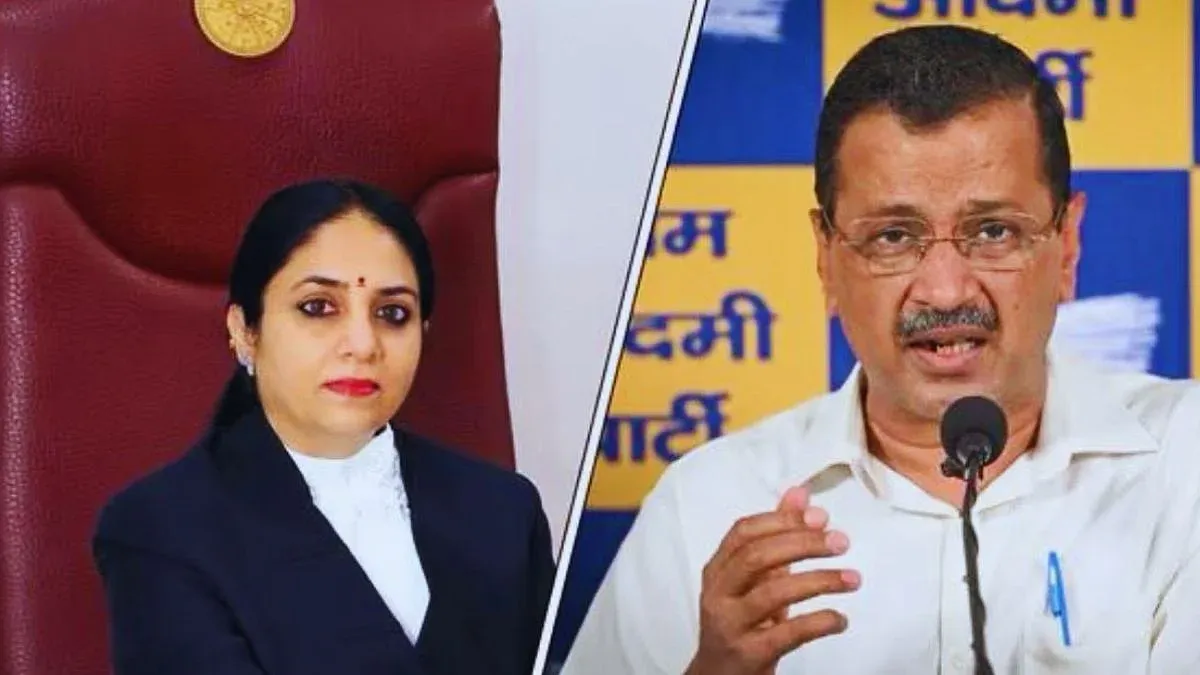
Delhi High Court Rejects Arvind Kejriwal's Plea Seeking Judge's Recusal in Excise Policy Case
The Delhi High Court, led by Justice Swarana Kanta Sharma, rejected former Chief Minister Arvind Kejriwal's plea seeking her recusal from the excise policy case involving alleged irregularities. Kejriwal cited a conflict of interest, alleging the judge's children are empanelled central government lawyers linked to the Solicitor General representing the CBI. Justice Sharma dismissed these claims as unsubstantiated, emphasizing judicial independence, the need for evidence over apprehension, and warning against setting a precedent that could undermine the judiciary. The judge described the situation as a 'Catch-22,' affirming her commitment to fulfill her judicial duties despite political pressures.
Political Bias
49%44%7%
Sentiment
44%
AI Analysis
Political bias across 32 sources
● Left 49%● Center 44%● Right 7%
The article group presents perspectives primarily from the judiciary and Arvind Kejriwal's camp, reflecting the legal and political dimensions of the case. Coverage includes Kejriwal's allegations of bias and the judge's detailed rebuttal emphasizing judicial independence. Sources frame the story around legal procedures and institutional integrity, with some highlighting political implications without endorsing either side.
Sentiment — Neutral (44/100)
The overall tone across the articles is neutral to serious, focusing on legal arguments and judicial reasoning. While Kejriwal's plea is portrayed as a significant challenge, the judge's rejection and emphasis on evidence-based adjudication convey a firm stance. The sentiment reflects a balanced reporting of a contentious legal dispute without sensationalism or emotive language.
How 15 sources covered this story
Each source's own headline, political lean, and sentiment — so you can see framing differences at a glance.
Coverage timeline
republicworld broke this story on 20 Apr, 02:17 pm. Other outlets followed.
- 1republicworld20 Apr, 02:17 pm'Catch-22 Situation': Arvind Kejriwal's Recusal Plea Rejected By Justice Sharma Of Delhi High Court
- 2news1820 Apr, 02:30 pm'No Evidence, Only Allegations, Insinuations': Justice Sharma's Point-By-Point Rebuttal To Kejriwal
- 3news1820 Apr, 02:30 pm'Floodgates Can't Be Opened To Sow Mistrust': Justice Sharma Dismisses Kejriwal's Recusal Plea
- 4moneycontrol20 Apr, 02:33 pmJustice Swarana Kanta Sharma refuses to recuse from Arvind Kejriwal's case: 'Would set troubling precedent'- Moneycontrol.com
- 5hindustantimes20 Apr, 02:35 pmDelhi HC judge Swarana Kanta Sharma rejects to recuse from hearing Kejriwal's liquor policy case
- 6indiatvnews20 Apr, 02:36 pmExcise policy case: Delhi High Court rejects Arvind Kejriwal's recusal plea
- 7freepressjournal20 Apr, 02:42 pmSetback For Arvind Kejriwal As Delhi HC Rejects Plea Seeking Recusal Of Justice Swarana Kanta Sharma In Liquor Policy Case
- 8english20 Apr, 02:46 pmKejriwal Vs Justice Sharma: HC Judge Says 'Can't Abandon Duty Without Delivering Verdict'
- 9mint20 Apr, 02:48 pm'Main kahin nahi jaa rahi': Justice Swarana Sharma on Kejriwal seeking her recusal in excise policy case Today News
- 10thefinancialexpress20 Apr, 02:59 pm'Catch-22 situation': Delhi High Court dismisses Kejriwal's plea seeking recusal of Justice Swarna Kanta Sharma
Lens Score breakdown
25/100
Public interest0/100
Coverage gap100%
Well-covered story — coverage matches public importance.
Who's involved
Institutions and figures named across source coverage.
Political
Aam Aadmi PartyArvind Kejriwal
Enforcement
Central Bureau of InvestigationEnforcement Directorate
Judiciary
Delhi High CourtSupreme CourtTrial Court
Story context
- Category
- Politics
- Location
- Delhi, India
- Sources analysed
- 32
- Last analysed
- 20 Apr 2026
- Key entities
- Delhi High CourtArvind KejriwalJudicial disqualificationCentral Bureau of InvestigationAam Aadmi PartyDelhiTushar MehtaLawsuitBiasGovernment of IndiaManish SisodiaAffidavit
Related Coverage
Select a news story to see related coverage from other media outlets.