1 hour agoPolitics
22LENS
2 SourcesUttar Pradesh, India
 thebalanced.news
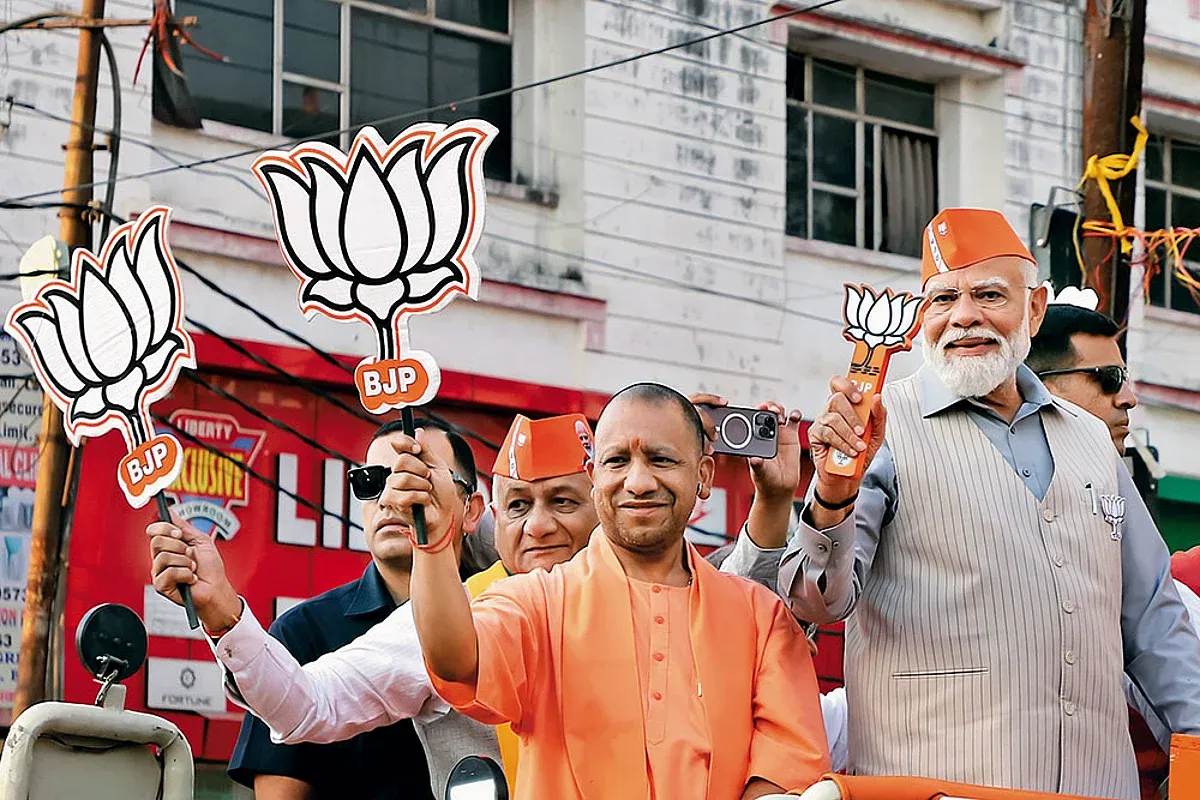
Uttar Pradesh's Political Significance Contrasts with Uneven Economic Development
Uttar Pradesh has been central to Indian politics since Independence, producing nine prime ministers including Jawaharlal Nehru and Narendra Modi. Despite this political prominence, the state has experienced uneven economic development and weak infrastructure. Governance has been influenced by complex caste coalitions and social dynamics, resulting in disparities where only areas like Lucknow and parts of western Uttar Pradesh near Delhi have seen relative progress.
Political Bias
25%60%15%
Sentiment
40%
AI Analysis
Political bias across 2 sources
● Left 25%● Center 60%● Right 15%
The articles present a neutral overview of Uttar Pradesh's political history and development challenges without favoring any political party or ideology. They highlight the state's role in national politics and the impact of caste dynamics on governance, reflecting a balanced perspective on political and social factors influencing development.
Sentiment — Neutral (40/100)
The tone across the articles is factual and analytical, focusing on the contrast between political prominence and economic underperformance. There is no overtly positive or negative sentiment; instead, the coverage emphasizes structural challenges and regional disparities in development.
How 2 sources covered this story
Each source's own headline, political lean, and sentiment — so you can see framing differences at a glance.
| Source | Their headline | Bias | Sentiment |
|---|---|---|---|
| httpswwwoutlookindiacom | Caste, Community and Institutional Edge: How the BJP Consolidated the Hindi Belt Outlook India | Center | Neutral |
| httpswwwoutlookindiacom | The Single Pole Of Power Outlook India | Center | Neutral |
Coverage timeline
httpswwwoutlookindiacom broke this story on 13 May, 04:49 am. Other outlets followed.
- 1httpswwwoutlookindiacom13 May, 04:49 amThe Single Pole Of Power Outlook India
- 2httpswwwoutlookindiacom13 May, 05:41 pmCaste, Community and Institutional Edge: How the BJP Consolidated the Hindi Belt Outlook India
Lens Score breakdown
22/100
Public interest0/100
Coverage gap100%
Well-covered story — coverage matches public importance.
Who's involved
Institutions and figures named across source coverage.
Political
BJP
Story context
- Category
- Politics
- Location
- Uttar Pradesh, India
- Sources analysed
- 2
- Last analysed
- 13 May 2026
- Key entities
- Outlook (Indian magazine)Indian independence movementUttar PradeshJawaharlal NehruNarendra ModiCasteDelhiLucknowPrime ministerIndiaHindi BeltPolitics of India
Related Coverage
Select a news story to see related coverage from other media outlets.