1 hour agoPolitics
23LENS
2 SourcesWashington (state), United States
 thebalanced.news
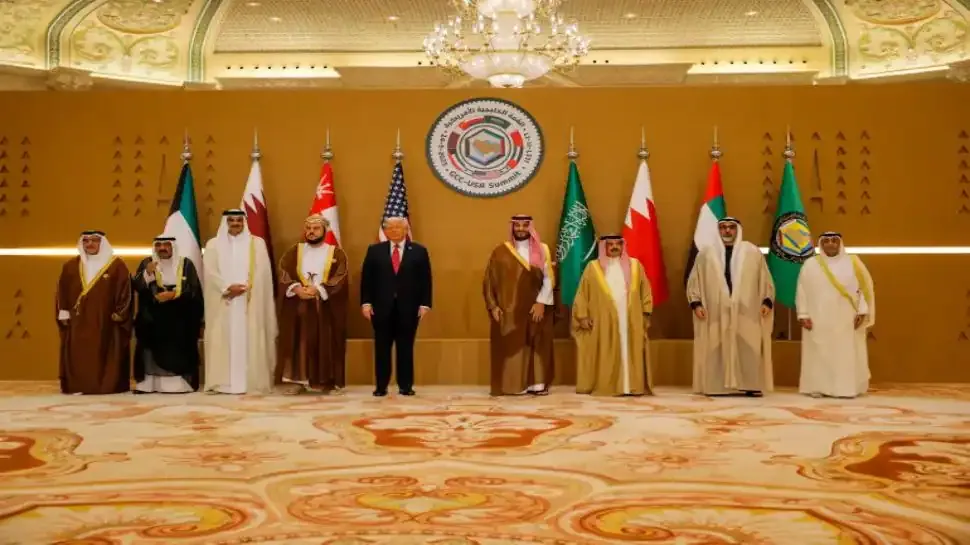
US-Gulf Security and Economic Ties Tested Amid US-Israel Conflict with Iran
The US-Gulf security alliance faces renewed scrutiny amid the US-Israel conflict with Iran, which has exposed vulnerabilities in regional security and economic ties. Gulf Cooperation Council states have experienced direct threats and are reconsidering their reliance on US military support. Concurrently, Gulf sovereign wealth funds holding about $2 trillion in US assets are reassessing investments due to regional instability, raising concerns about potential financial market impacts and the limits of the petrodollar system.
Political Bias
15%77%8%
Sentiment
45%
AI Analysis
Political bias across 2 sources
● Left 15%● Center 77%● Right 8%
The articles present perspectives from Gulf regional authorities and US policy contexts, highlighting concerns over US reliability in security and economic domains. They reflect Gulf states' reassessment of dependence on the US without endorsing any political stance. The coverage includes historical context and current strategic debates, maintaining neutrality by presenting both security and financial implications.
Sentiment — Neutral (45/100)
The overall tone is cautious and analytical, focusing on challenges and uncertainties faced by Gulf states in their security and economic relationships with the US. The sentiment is neither overtly negative nor positive but emphasizes potential risks and strategic recalibrations resulting from the ongoing conflict and its broader implications.
How 2 sources covered this story
Each source's own headline, political lean, and sentiment — so you can see framing differences at a glance.
| Source | Their headline | Bias | Sentiment |
|---|---|---|---|
| theprint | How US-Israel war against Iran is exposing limits of petrodollar system | Center | Neutral |
| zeenews | After Iran war, is US-Gulf security alliance heading toward a breaking point? | Center | Neutral |
Coverage timeline
zeenews broke this story on 12 May, 08:37 pm. Other outlets followed.
- 1zeenews12 May, 08:37 pmAfter Iran war, is US-Gulf security alliance heading toward a breaking point?
- 2theprint13 May, 03:16 amHow US-Israel war against Iran is exposing limits of petrodollar system
Lens Score breakdown
23/100
Public interest0/100
Coverage gap100%
Well-covered story — coverage matches public importance.
Who's involved
Institutions and figures named across source coverage.
Government
US TreasuryFederal Reserve Bank
Story context
- Category
- Politics
- Location
- Washington (state), United States
- Sources analysed
- 2
- Last analysed
- 13 May 2026
- Key entities
- Gulf Cooperation CouncilIranArab states of the Persian GulfPetroleumSaudi ArabiaDonald TrumpChinaUnited Arab EmiratesWashington (state)United StatesGulf WarIsraeli–Palestinian conflict
Related Coverage
Select a news story to see related coverage from other media outlets.