2 hours agoPolitics
33LENS
2 SourcesKargil, India
 thebalanced.news
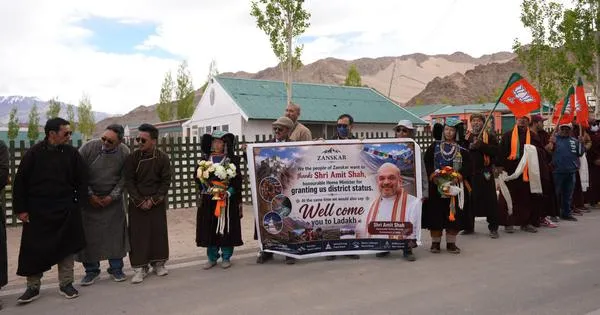
India Adds Five New Districts in Ladakh Amid Mixed Reactions on Impact
In April 2024, the Indian government officially added five new administrative districts to Ladakh, increasing the total to seven. This move has raised concerns among Ladakh's Muslim-majority population, particularly in Kargil, who fear marginalization due to the district boundaries favoring Buddhist-majority areas. Critics argue the redistricting may divide local leadership and affect resource protections. However, supporters note these are administrative changes, not electoral boundary adjustments, emphasizing that gerrymandering applies only to electoral constituencies, which remain unchanged.
Political Bias
43%25%32%
Sentiment
42%
AI Analysis
Political bias across 2 sources
● Left 43%● Center 25%● Right 32%
The article group presents two contrasting perspectives: one highlighting concerns from Muslim-majority communities about potential marginalization and political exclusion, and another emphasizing the administrative nature of the changes to counter claims of gerrymandering. Sources reflect differing political viewpoints, with one framing the issue as a communal and political challenge, while the other stresses legal and procedural clarifications, illustrating a divide between critical and supportive narratives.
Sentiment — Neutral (42/100)
The overall sentiment across the articles is mixed. One source conveys apprehension and anxiety among local Muslim populations regarding possible exclusion and demographic manipulation, while the other adopts a more neutral to defensive tone, dismissing allegations of gerrymandering and focusing on factual clarifications. This results in a balanced coverage that includes both concern and reassurance without overtly positive or negative bias.
How 2 sources covered this story
Each source's own headline, political lean, and sentiment — so you can see framing differences at a glance.
| Source | Their headline | Bias | Sentiment |
|---|---|---|---|
| opindia | Why Ladakh district creation is not gerrymandering | Right | Neutral |
| scrollin | Why five new districts in Ladakh have led to fears of exclusion, gerrymandering | Left | Negative |
Coverage timeline
scrollin broke this story on 12 May, 01:07 am. Other outlets followed.
- 1scrollin12 May, 01:07 amWhy five new districts in Ladakh have led to fears of exclusion, gerrymandering
- 2opindia12 May, 01:15 pmWhy Ladakh district creation is not gerrymandering
Lens Score breakdown
33/100
Public interest0/100
Coverage gap100%
Well-covered story — coverage matches public importance.
Accountability flags
TBN's analysis identified the following accountability dimensions in this story.
- abuse of power
This story involves alleged misuse of official authority or institutional position to achieve personal or political ends.
- rights violation
This story involves alleged violations of constitutional or human rights — freedom of expression, due process, custodial rights, minority rights.
- electoral malpractice
This story involves alleged interference in elections — voter suppression, booth capture, misuse of machinery, or funding violations.
Who's involved
Institutions and figures named across source coverage.
Government
Central GovernmentUnion Territory AdministrationUnion Home Ministry
Political
Bharatiya Janata PartyAll India Majlis-e-Ittehadul Muslimeen
Religious
Jamiat Ul Ulama Isna Asharia
Story context
- Category
- Politics
- Location
- Kargil, India
- Sources analysed
- 2
- Last analysed
- 12 May 2026
- Key entities
- MuslimsDistrictBuddhismLadakhKargil districtLeh districtDrasNubraZanskarGerrymanderingUnion territoryElectoral district
Related Coverage
Select a news story to see related coverage from other media outlets.