1 hour agoPolitics
31LENS
2 SourcesWest Bengal, India
 thebalanced.news
UAE Exits Opec Amid West Asia Tensions; India Considers Fuel Price Review
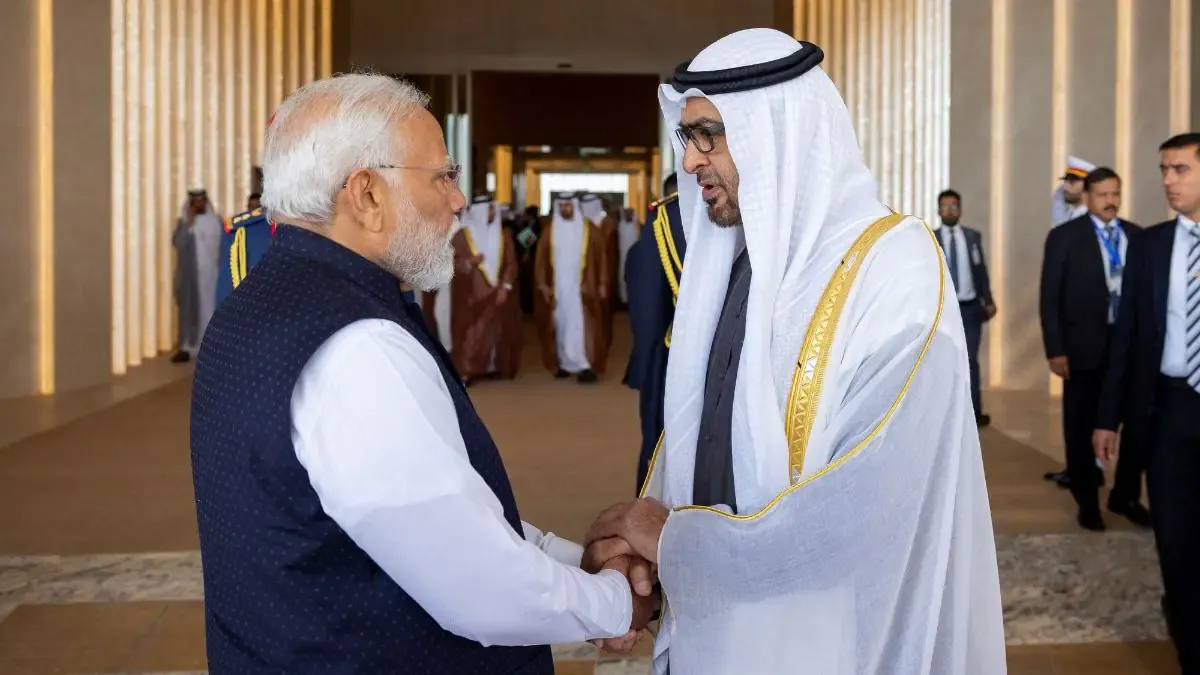
The United Arab Emirates has exited the 12-member Opec to focus on national interests and adapt to a new energy era, a move that may benefit India amid ongoing West Asia tensions. Concurrently, global oil prices have surged due to regional conflicts, prompting Indian authorities to consider fuel price hikes as public sector oil companies face losses. Additionally, India and Bangladesh are gradually restoring visa services following strained relations, aiming to enhance economic and energy cooperation.
Political Bias
30%60%10%
Sentiment
50%
AI Analysis
Political bias across 2 sources
● Left 30%● Center 60%● Right 10%
The articles present a primarily neutral perspective focusing on geopolitical and economic developments without partisan framing. They include government viewpoints on energy policy and bilateral relations, highlighting official statements and policy considerations. The coverage balances regional conflict impacts with domestic political events, avoiding overt political bias or ideological positioning.
Sentiment — Neutral (50/100)
The overall tone is measured and factual, reflecting concern over rising oil prices and regional instability while noting potential strategic benefits for India. The sentiment is mixed, combining cautious optimism about diplomatic progress with acknowledgment of economic challenges, maintaining a professional and informative approach without sensationalism.
How 2 sources covered this story
Each source's own headline, political lean, and sentiment — so you can see framing differences at a glance.
| Source | Their headline | Bias | Sentiment |
|---|---|---|---|
| firstpost | This Week in Explainers: How India may gain from UAE's Opec exit | Center | Neutral |
| indianexpress | Daily Briefing: Oil prices touch new highs amid West Asia turmoil, India may review fuel pricing | Center | Neutral |
Coverage timeline
indianexpress broke this story on 2 May, 03:37 am. Other outlets followed.
- 1indianexpress2 May, 03:37 amDaily Briefing: Oil prices touch new highs amid West Asia turmoil, India may review fuel pricing
- 2firstpost2 May, 04:16 amThis Week in Explainers: How India may gain from UAE's Opec exit
Lens Score breakdown
31/100
Public interest0/100
Coverage gap100%
Well-covered story — coverage matches public importance.
Who's involved
Institutions and figures named across source coverage.
Government
New Zealand ParliamentElection CommissionPublic Sector Oil Marketing CompaniesGovernment
Political
Trinamool CongressAam Aadmi PartyBharatiya Janata PartyNational Democratic Alliance
Story context
- Category
- Politics
- Location
- West Bengal, India
- Sources analysed
- 2
- Last analysed
- 2 May 2026
- Key entities
- IndiaPetroleumWestern AsiaIranBharatiya Janata PartyKeralaUnited StatesVoter turnoutWest BengalUnited Arab EmiratesWatermelonMumbai
Related Coverage
Select a news story to see related coverage from other media outlets.