1 hour agoPolitics
50LENS
2 SourcesOdisha, India
 thebalanced.news
Supreme Court Condemns Odisha Bail Conditions Requiring Cleaning Police Stations
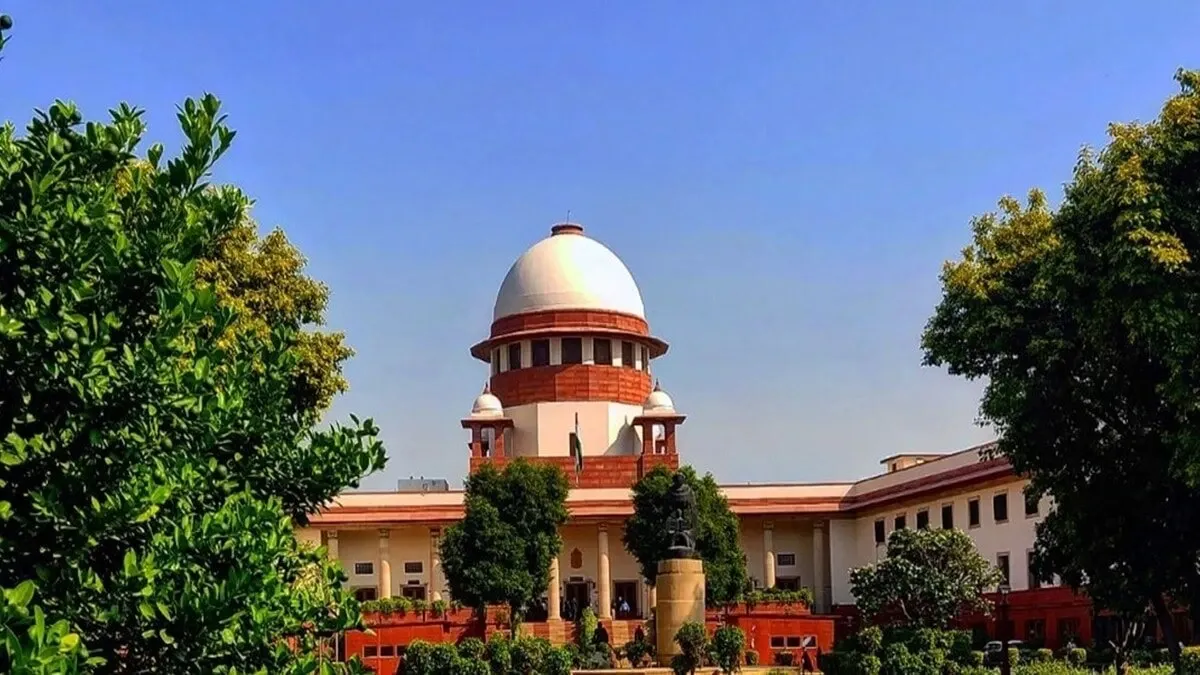
The Supreme Court of India has taken suo motu cognisance of bail conditions imposed by Odisha courts requiring Dalit and Adivasi accused to clean police stations. The court condemned these orders as degrading and based on an assumption of guilt, declaring such conditions null and void. It directed all Odisha courts to remove these conditions and ordered the release of affected individuals. The controversy stems from protests against Vedanta's bauxite mining project, involving marginalized communities opposing land acquisition.
Political Bias
68%30%2%
Sentiment
38%
AI Analysis
Political bias across 2 sources
● Left 68%● Center 30%● Right 2%
The articles present a judicial perspective critical of Odisha courts' bail conditions, highlighting concerns about caste-based discrimination and dignity. Coverage includes government judiciary actions without partisan framing, focusing on legal and human rights aspects. Both sources emphasize the Supreme Court's intervention and the context of tribal and Dalit protests, reflecting a neutral stance on the issue.
Sentiment — Neutral (38/100)
The overall tone is critical of the bail conditions imposed by Odisha courts, reflecting disappointment and disapproval from the Supreme Court. The sentiment is serious and concerned, focusing on the dignity of accused individuals and judicial propriety. There is no overtly positive or sensational language, maintaining a professional and measured tone.
How 2 sources covered this story
Each source's own headline, political lean, and sentiment — so you can see framing differences at a glance.
| Source | Their headline | Bias | Sentiment |
|---|---|---|---|
| indiatoday | Odisha courts rapped for 'perverse' bail orders asking Dalits to clean police stations | Left | Neutral |
| moneycontrol | Supreme Court takes suo motu cognisance of Odisha bail conditions involving cleaning police stations- Moneycontrol.com | Left | Neutral |
Coverage timeline
moneycontrol broke this story on 4 May, 06:07 am. Other outlets followed.
- 1moneycontrol4 May, 06:07 amSupreme Court takes suo motu cognisance of Odisha bail conditions involving cleaning police stations- Moneycontrol.com
- 2indiatoday4 May, 08:38 amOdisha courts rapped for 'perverse' bail orders asking Dalits to clean police stations
Lens Score breakdown
50/100
Public interest0/100
Coverage gap100%
Moderately important story that could benefit from broader coverage.
Accountability flags
TBN's analysis identified the following accountability dimensions in this story.
- abuse of power
This story involves alleged misuse of official authority or institutional position to achieve personal or political ends.
- systemic failure
This story points to a failure in institutional processes — regulation, safety, oversight, or service delivery breaking down at scale.
- public safety issue
This story involves a risk to public safety — infrastructure failure, regulatory lapse, hazardous conditions, or emergency mishandling.
- rights violation
This story involves alleged violations of constitutional or human rights — freedom of expression, due process, custodial rights, minority rights.
- environmental violation
This story involves alleged damage to environment or non-compliance with environmental regulation.
Who's involved
Institutions and figures named across source coverage.
Government
District Judiciary of OdishaRegistrar General of the Odisha High CourtDistrict Courts of OdishaSupreme Court of IndiaOrissa High CourtOdisha High Court
Corporate
Vedanta LtdVedanta Group
Enforcement
Police StationsKashipur Police Station
Judiciary
District Judiciary of OdishaSupreme Court of IndiaOrissa High CourtOdisha High CourtDistrict Courts of Odisha
Story context
- Category
- Politics
- Location
- Odisha, India
- Sources analysed
- 2
- Last analysed
- 4 May 2026
- Key entities
- Orissa High CourtBailSua sponteOdishaSupreme Court of IndiaAdivasiDalitVedantaBauxiteChief Justice of IndiaMiningJudiciary
Related Coverage
Select a news story to see related coverage from other media outlets.