1 day agoPolitics
28LENS
2 SourcesArunachal Pradesh, India
 thebalanced.news
India Rejects China's Renaming of Places in Arunachal Pradesh Amid Territorial Disputes
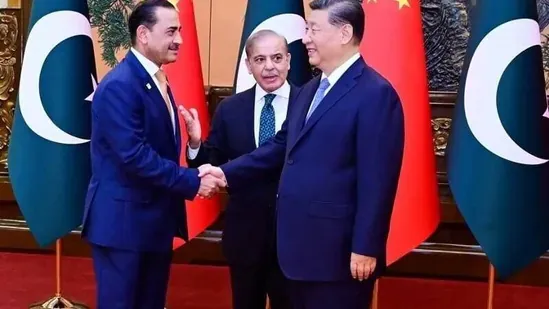
India has firmly rejected China's recent renaming of 23 places in Arunachal Pradesh, reaffirming the region as an integral part of India. China’s renaming, part of a broader pattern since 2017, is viewed by India as a cultural and territorial assertion linked to its claim over Arunachal Pradesh as South Tibet. While India emphasizes that such actions do not alter ground realities, the move adds tension amid ongoing territorial disputes and efforts to stabilize bilateral relations between the two countries.
Political Bias
15%50%35%
Sentiment
38%
AI Analysis
Political bias across 2 sources
● Left 15%● Center 50%● Right 35%
The articles present perspectives emphasizing India's rejection of China's renaming as a territorial and cultural assertion by Beijing. They highlight India's stance on sovereignty and territorial integrity while noting China's repeated actions as pressure tactics. The coverage reflects official Indian viewpoints and diplomatic concerns without endorsing either side's claims, maintaining a focus on the bilateral dispute context.
Sentiment — Neutral (38/100)
The overall tone is cautious and firm, reflecting India's strong rejection of China's renaming actions. While critical of China's moves as provocative, the articles avoid inflammatory language and acknowledge ongoing diplomatic efforts. The sentiment balances concern over territorial claims with calls for stability, resulting in a measured and factual coverage.
How 2 sources covered this story
Each source's own headline, political lean, and sentiment — so you can see framing differences at a glance.
| Source | Their headline | Bias | Sentiment |
|---|---|---|---|
| hindustantimes | Renaming places in Arunachal is part of China's cultural expansion | Right | Neutral |
| arunachaltimesin | Renaming won't change facts | Center | Neutral |
Coverage timeline
arunachaltimesin broke this story on 16 Apr, 06:39 pm. Other outlets followed.
- 1arunachaltimesin16 Apr, 06:39 pmRenaming won't change facts
- 2hindustantimes17 Apr, 07:38 amRenaming places in Arunachal is part of China's cultural expansion
Lens Score breakdown
28/100
Public interest0/100
Coverage gap100%
Well-covered story — coverage matches public importance.
Who's involved
Institutions and figures named across source coverage.
Government
India GovernmentChina GovernmentMinistry of External Affairs
Enforcement
People's Liberation Army
Story context
- Category
- Politics
- Location
- Arunachal Pradesh, India
- Sources analysed
- 2
- Last analysed
- 17 Apr 2026
- Key entities
- Arunachal PradeshIndiaChinaLadakhBalance of tradeMinistry of External Affairs (India)Xi JinpingDoklamHong KongBeijingNew DelhiSouth Tibet
Related Coverage
Select a news story to see related coverage from other media outlets.