1 hour agoPolitics
30LENS
3 SourcesWest Bengal, India
 thebalanced.news
West Bengal Phase 2 Voting: Guidelines on IDs, Prohibited Items, and Security Measures
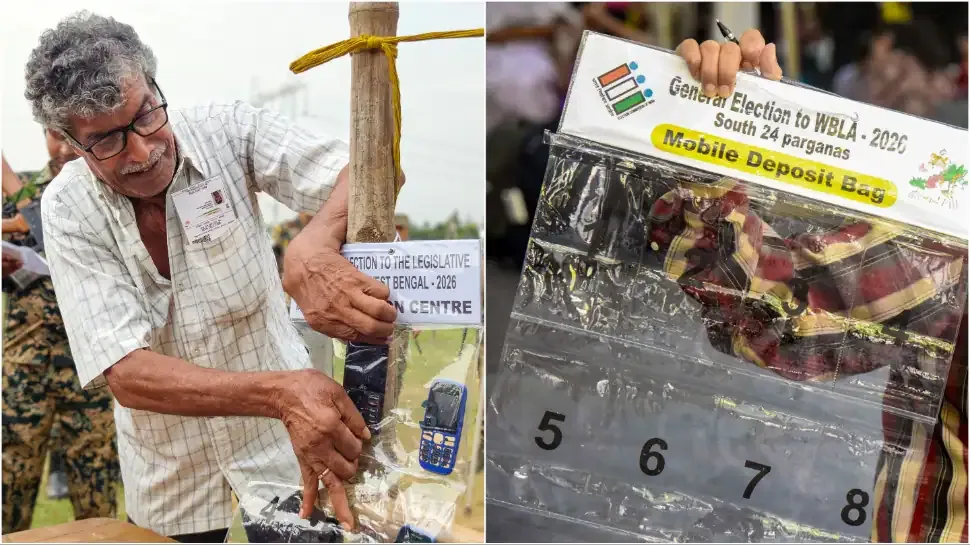
West Bengal's second phase of the 2026 Assembly elections is underway with voting from 7:00 AM to 6:00 PM. Voters must carry a valid photo ID, such as a voter ID, passport, or PAN card, to cast their vote; 11 alternative government-approved IDs are also accepted if the voter ID is missing. Mobile phones and political symbols are prohibited inside polling booths, with some stations offering mobile deposit facilities. Security measures include restrictions on pillion riding and bans on bike rallies to ensure a smooth voting process.
Political Bias
0%100%0%
Sentiment
58%
AI Analysis
Political bias across 3 sources
● Left 0%● Center 100%● Right 0%
The articles primarily present official Election Commission guidelines and government statements, focusing on procedural information without political commentary. They include perspectives from election authorities and mention Prime Minister Narendra Modi's call for voter participation, reflecting a government viewpoint. Opposition or alternative political perspectives are not highlighted, emphasizing administrative and voter-focused information.
Sentiment — Neutral (58/100)
The overall tone across the articles is neutral and informative, aiming to guide voters on election day protocols. There is no emotional or sensational language; instead, the coverage emphasizes clarity and compliance with rules. The inclusion of security measures and alternative ID options is presented factually, supporting voter preparedness without expressing positive or negative sentiment.
How 3 sources covered this story
Each source's own headline, political lean, and sentiment — so you can see framing differences at a glance.
| Source | Their headline | Bias | Sentiment |
|---|---|---|---|
| zeenews | West Bengal phase 2 voting: Mobile phones banned? Check the list of items allowed and prohibited inside polling booths | Center | Neutral |
| zeenews | West Bengal elections: Lost your voter ID? Here is how to vote using 11 alternative documents today | Center | Neutral |
| indianexpress | Ready to vote tomorrow in Bengal elections? Everything you need to carry and leave behind | Center | Neutral |
Coverage timeline
indianexpress broke this story on 28 Apr, 10:00 am. Other outlets followed.
- 1indianexpress28 Apr, 10:00 amReady to vote tomorrow in Bengal elections? Everything you need to carry and leave behind
- 2zeenews29 Apr, 02:24 amWest Bengal elections: Lost your voter ID? Here is how to vote using 11 alternative documents today
- 3zeenews29 Apr, 03:48 amWest Bengal phase 2 voting: Mobile phones banned? Check the list of items allowed and prohibited inside polling booths
Lens Score breakdown
30/100
Public interest0/100
Coverage gap90%
Well-covered story — coverage matches public importance.
Who's involved
Institutions and figures named across source coverage.
Government
Election Commission
Story context
- Category
- Politics
- Location
- West Bengal, India
- Sources analysed
- 3
- Last analysed
- 29 Apr 2026
- Key entities
- Polling stationWest BengalMobile phoneSerial codePassportSuffrageDriver's licenseIdentity documentLighterSmartwatchPolitical partyAadhaar
Related Coverage
Select a news story to see related coverage from other media outlets.