4 hours agoPolitics
24LENS
2 SourcesBihar, India
 thebalanced.news
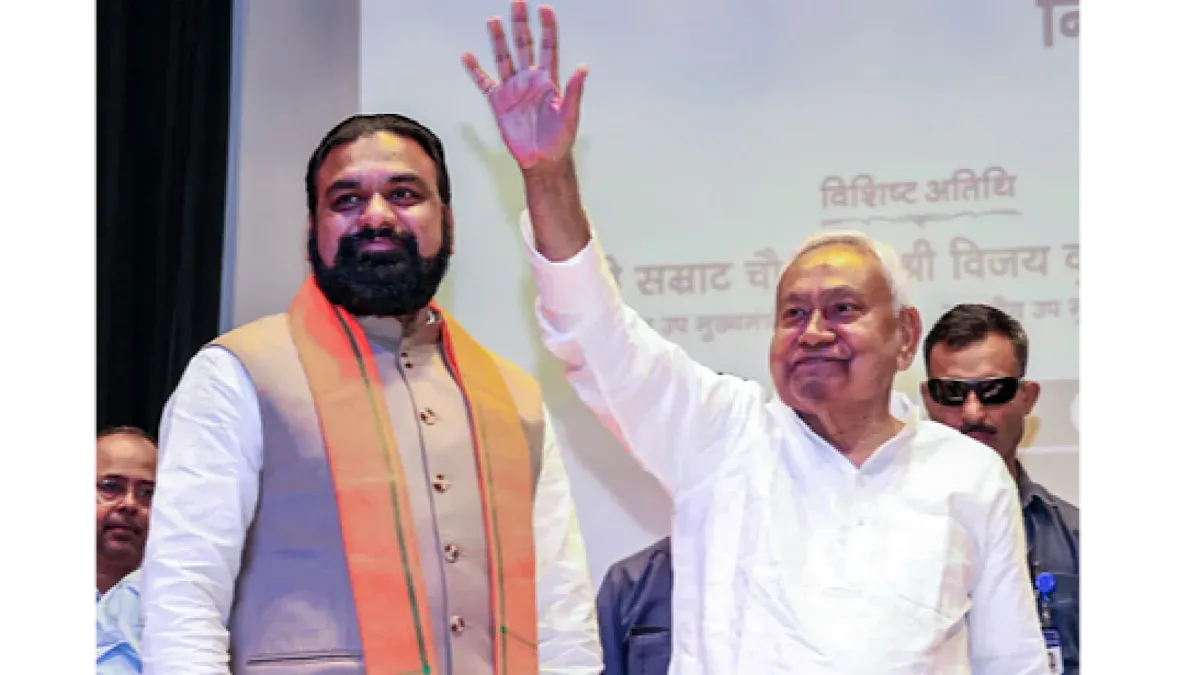
Bihar's Leadership Transition: From Nitish Kumar's Inclusive Governance to Samrat Choudhary's New Era
The appointment of Samrat Choudhary as Bihar's chief minister marks a shift from Nitish Kumar's two-decade leadership, which brought administrative improvements and social inclusion but was marked by political adaptability and alliance shifts. Nitish Kumar, a key figure of the JP movement, is noted for promoting inclusive social justice and women's empowerment in Bihar, contrasting with some contemporaries whose politics intensified caste divisions. The transition raises questions about Bihar's political stability and consensus under a more centralized BJP leadership.
Political Bias
42%46%12%
Sentiment
62%
AI Analysis
Political bias across 2 sources
● Left 42%● Center 46%● Right 12%
The articles present perspectives highlighting Nitish Kumar's legacy as a stabilizing and inclusive leader rooted in the JP movement's ideals, while also acknowledging critiques of his political adaptability and alliance shifts. The elevation of Samrat Choudhary is framed as a significant BJP development, reflecting a shift toward a more centralized party-led governance. Both sources balance praise for past achievements with concerns about future political dynamics.
Sentiment — Neutral (62/100)
The overall tone is measured and analytical, recognizing Nitish Kumar's contributions to governance and social inclusion alongside the complexities of his political strategies. The transition to Samrat Choudhary is portrayed with cautious interest, noting potential benefits and risks without overt optimism or criticism. Coverage maintains a neutral sentiment, focusing on factual developments and their implications.
How 2 sources covered this story
Each source's own headline, political lean, and sentiment — so you can see framing differences at a glance.
| Source | Their headline | Bias | Sentiment |
|---|---|---|---|
| thestatesman | After Nitish | Center | Neutral |
| hindustantimes | Nitish Kumar: Last tall leader of JP movement | Left | Positive |
Coverage timeline
hindustantimes broke this story on 17 Apr, 05:13 pm. Other outlets followed.
- 1hindustantimes17 Apr, 05:13 pmNitish Kumar: Last tall leader of JP movement
- 2thestatesman18 Apr, 03:07 amAfter Nitish
Lens Score breakdown
24/100
Public interest0/100
Coverage gap100%
Well-covered story — coverage matches public importance.
Who's involved
Institutions and figures named across source coverage.
Political
Bharatiya Janata PartyBJPSamrat ChoudharyNitish Kumar
Story context
- Category
- Politics
- Location
- Bihar, India
- Sources analysed
- 2
- Last analysed
- 18 Apr 2026
- Key entities
- Nitish KumarBiharLalu Prasad YadavBharatiya Janata PartyDemocracyOther Backward ClassChief ministerSamrat ChoudharyElectricityWelfareCoalition governmentHuman migration
Related Coverage
Select a news story to see related coverage from other media outlets.