1 hour agoPolitics
31LENS
3 SourcesIslamabad, Pakistan
 thebalanced.news
Pakistan Eases Restrictions in Twin Cities After US-Iran Talks Do Not Proceed
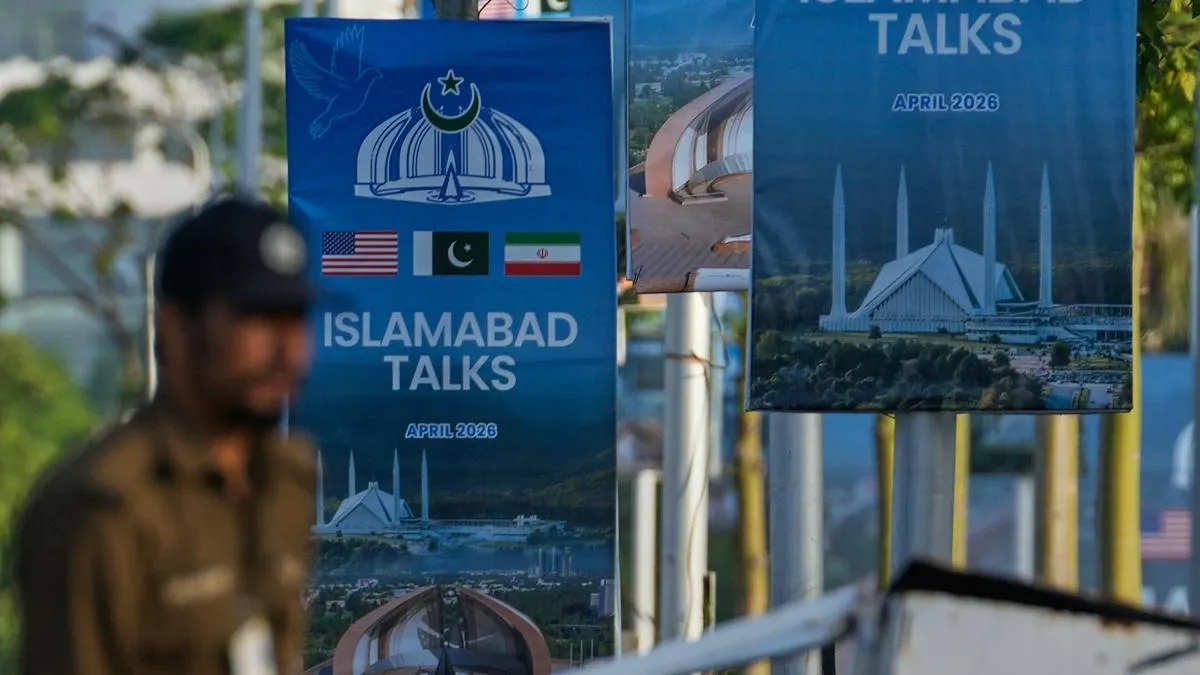
Pakistan eased security and traffic restrictions in Islamabad and Rawalpindi after the anticipated second round of U.S.-Iran talks did not take place. Iranian Foreign Minister Abbas Araghchi left Pakistan without meeting U.S. negotiators but described his visit as fruitful, appreciating Pakistan's role in regional peace efforts. Following discussions with Pakistani leaders, Araghchi proceeded to Oman. Universities resumed in-person classes and essential supply movement was restored in the twin cities.
Political Bias
0%100%0%
Sentiment
50%
AI Analysis
Political bias across 3 sources
● Left 0%● Center 100%● Right 0%
The articles present a neutral view focusing on Pakistan's administrative response to the stalled US-Iran talks. They include perspectives from Pakistani authorities and Iranian officials without partisan framing. The coverage highlights diplomatic efforts and security measures without emphasizing political controversy or assigning blame, reflecting balanced reporting across sources.
Sentiment — Neutral (50/100)
The overall tone is factual and measured, reporting on eased restrictions and diplomatic developments without emotional language. Positive aspects, such as the Iranian minister's appreciation of Pakistan's peace efforts, are noted alongside the stalled talks, resulting in a mixed but largely neutral sentiment across the articles.
How 3 sources covered this story
Each source's own headline, political lean, and sentiment — so you can see framing differences at a glance.
| Source | Their headline | Bias | Sentiment |
|---|---|---|---|
| economictimes | Pakistan eases restrictions on twin cities with no possibility of US-Iran talks | Center | Neutral |
| httpswwwoutlookindiacom | Islamabad, Rawalpindi Ease Security Restrictions After US-Iran Talks Stall Outlook India | Center | Neutral |
| thehindu | Pakistan eases restrictions on twin cities with no possibility of U.S.-Iran talks | Center | Neutral |
Coverage timeline
thehindu broke this story on 26 Apr, 01:29 pm. Other outlets followed.
- 1thehindu26 Apr, 01:29 pmPakistan eases restrictions on twin cities with no possibility of U.S.-Iran talks
- 2httpswwwoutlookindiacom26 Apr, 01:44 pmIslamabad, Rawalpindi Ease Security Restrictions After US-Iran Talks Stall Outlook India
- 3economictimes26 Apr, 02:11 pmPakistan eases restrictions on twin cities with no possibility of US-Iran talks
Lens Score breakdown
31/100
Public interest0/100
Coverage gap90%
Well-covered story — coverage matches public importance.
Who's involved
Institutions and figures named across source coverage.
Government
Iranian Foreign MinistryPakistan Security ForcesPakistan GovernmentPakistani Leadership
Enforcement
Security Personnel
Story context
- Category
- Politics
- Location
- Islamabad, Pakistan
- Sources analysed
- 3
- Last analysed
- 26 Apr 2026
- Key entities
- PakistanIslamabadRawalpindiAbbas AraghchiMinistry of Foreign Affairs (Iran)IranOutlook (Indian magazine)Oman
Related Coverage
Select a news story to see related coverage from other media outlets.