1 hour agoPolitics
22LENS
2 SourcesChandigarh, India
 thebalanced.news
Chandigarh's Design Philosophy and Emerging Traffic Challenges in a Growing City
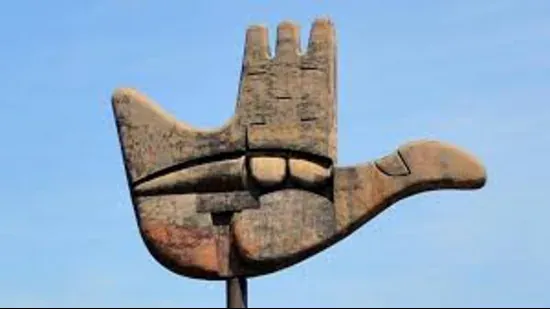
Chandigarh was designed as a modern, egalitarian city emphasizing functional architecture and avoiding personal naming or statues to foster collective identity. Its planned grid layout initially ensured efficient traffic flow, but rising vehicle numbers have strained this system, causing increasing congestion and delays. While the city maintains its architectural clarity, its traffic infrastructure faces challenges that reveal structural vulnerabilities, prompting comparisons with other cities that have adapted through layered traffic management solutions.
Political Bias
10%85%5%
Sentiment
58%
AI Analysis
Political bias across 2 sources
● Left 10%● Center 85%● Right 5%
The articles present a largely neutral perspective focused on urban planning and infrastructure without partisan framing. They highlight the founding vision of Chandigarh's leaders and architects, emphasizing collective identity over individual recognition. The coverage includes critiques of current traffic issues without attributing blame to specific political actors, reflecting a balanced view of historical intent and contemporary challenges.
Sentiment — Neutral (58/100)
The tone across the articles is measured and analytical, combining appreciation for Chandigarh's original design principles with concern over present-day traffic difficulties. There is no overtly positive or negative sentiment; instead, the coverage acknowledges both the city's architectural achievements and the practical limitations emerging from increased urban demands.
How 2 sources covered this story
Each source's own headline, political lean, and sentiment — so you can see framing differences at a glance.
| Source | Their headline | Bias | Sentiment |
|---|---|---|---|
| hindustantimes | High Time Chandigarh silent code: Why names, statues kept at bay | Center | Positive |
| hindustantimes | Guest column The grid worked, until it didn't | Center | Neutral |
Coverage timeline
hindustantimes broke this story on 10 May, 02:03 am. Other outlets followed.
- 1hindustantimes10 May, 02:03 amGuest column The grid worked, until it didn't
- 2hindustantimes10 May, 02:18 amHigh Time Chandigarh silent code: Why names, statues kept at bay
Lens Score breakdown
22/100
Public interest0/100
Coverage gap100%
Well-covered story — coverage matches public importance.
Who's involved
Institutions and figures named across source coverage.
Government
Union Territory AdministrationChandigarh Administration
Political
Partap Singh KaironJawaharlal Nehru
Story context
- Category
- Politics
- Location
- Chandigarh, India
- Sources analysed
- 2
- Last analysed
- 10 May 2026
- Key entities
- ChandigarhLe CorbusierSymbolEgalitarianismPhilosophyChief ministerPunjab Province (British India)Partap Singh KaironJawaharlal NehruStates and union territories of IndiaPunjab, IndiaIndia
Related Coverage
Select a news story to see related coverage from other media outlets.