1 hour agoPolitics
22LENS
2 SourcesSumatra, Indonesia
 thebalanced.news
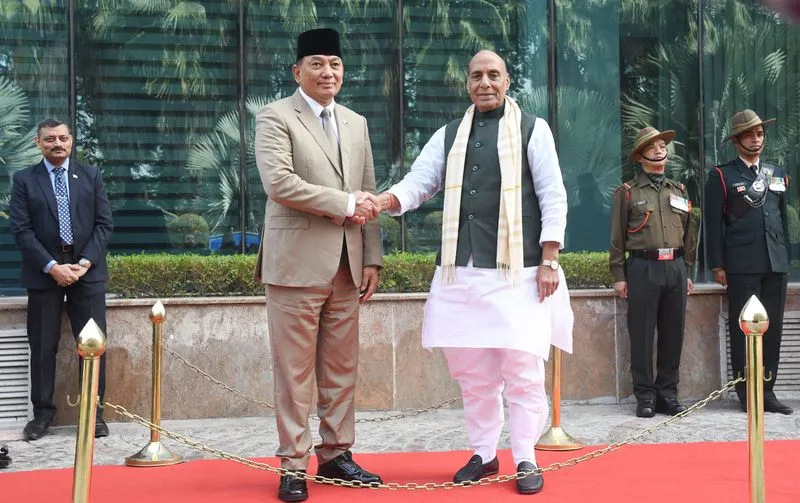
India-Indonesia Relations and Reflections on the Post-World War II International Order
India and Indonesia share a historical and cultural connection rooted in ancient trade and maritime proximity, with Indonesia's diverse culture integrating Indian influences uniquely. Meanwhile, global discussions highlight the deliberate construction of the post-World War II international order, emphasizing frameworks like the United Nations and Bretton Woods institutions, and raising questions about their current durability amid evolving geopolitical tensions.
Political Bias
10%85%5%
Sentiment
62%
AI Analysis
Political bias across 2 sources
● Left 10%● Center 85%● Right 5%
The articles present perspectives focused on historical and diplomatic contexts without partisan framing. One emphasizes cultural and trade ties between India and Indonesia, reflecting a regional diplomatic viewpoint, while the other discusses the international order's origins and challenges from a global institutional perspective. Both maintain a neutral tone, avoiding political bias.
Sentiment — Neutral (62/100)
The overall tone across the articles is informative and reflective, with a positive appreciation of cultural connections in the India-Indonesia piece and a measured, analytical approach to the post-war order discussion. There is no evident emotional bias, maintaining a balanced and neutral sentiment throughout.
How 2 sources covered this story
Each source's own headline, political lean, and sentiment — so you can see framing differences at a glance.
| Source | Their headline | Bias | Sentiment |
|---|---|---|---|
| thetribune | India, Indonesia the shared vision of Middle Powers - The Tribune | Center | Positive |
| wion | From Dumbarton Oaks to Nalanda: The Emerging Strain on the Post-War Order | Center | Neutral |
Coverage timeline
wion broke this story on 21 Apr, 06:12 pm. Other outlets followed.
- 1wion21 Apr, 06:12 pmFrom Dumbarton Oaks to Nalanda: The Emerging Strain on the Post-War Order
- 2thetribune21 Apr, 09:28 pmIndia, Indonesia the shared vision of Middle Powers - The Tribune
Lens Score breakdown
22/100
Public interest0/100
Coverage gap100%
Well-covered story — coverage matches public importance.
Who's involved
Institutions and figures named across source coverage.
Government
United States Government
Story context
- Category
- Politics
- Location
- Sumatra, Indonesia
- Sources analysed
- 2
- Last analysed
- 21 Apr 2026
- Key entities
- IndiaChinaIranSumatraIndonesiaNicobar IslandsEntrepôtMalabar CoastMaritime boundaryThe Tribune (Chandigarh)Spice tradeIndian subcontinent
Related Coverage
Select a news story to see related coverage from other media outlets.