1 hour agoPolitics
30LENS
2 SourcesNew Delhi, India
 thebalanced.news
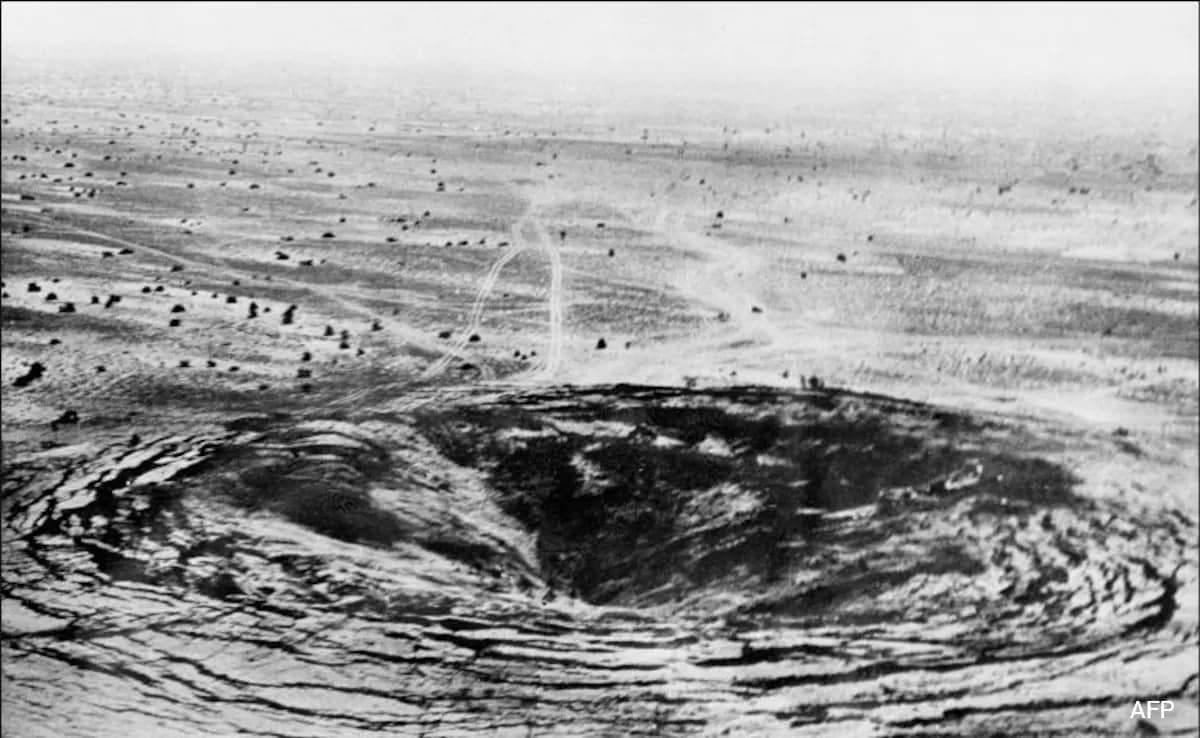
India's 1998 Pokhran Nuclear Tests Mark Strategic Shift in Global Politics
On May 11, 1998, India conducted the Shakti series of underground nuclear tests at Pokhran, declaring itself a nuclear-armed nation and ending decades of strategic ambiguity. This move followed the 1974 'Laughing Buddha' test, officially a peaceful explosion, which demonstrated India's nuclear capability but led to international sanctions and diplomatic isolation. Despite economic and technological challenges, these tests affirmed India's strategic autonomy and altered its position in global politics.
Political Bias
10%78%12%
Sentiment
75%
AI Analysis
Political bias across 2 sources
● Left 10%● Center 78%● Right 12%
The articles present a primarily nationalistic perspective emphasizing India's assertion of sovereignty and strategic autonomy through nuclear testing. They highlight government narratives about overcoming international sanctions and rejection of the Nuclear Non-Proliferation Treaty. The coverage reflects official viewpoints without including dissenting or international perspectives, focusing on India's self-defined strategic milestones.
Sentiment — Positive (75/100)
The tone across the articles is largely neutral to positive, portraying the nuclear tests as historic and transformative for India’s global standing. While acknowledging the economic and technological costs due to sanctions, the coverage frames these challenges as part of a resilient scientific and strategic journey, avoiding overt criticism or controversy.
How 2 sources covered this story
Each source's own headline, political lean, and sentiment — so you can see framing differences at a glance.
| Source | Their headline | Bias | Sentiment |
|---|---|---|---|
| ndtv | How 'Laughing Buddha' In Pokhran Permanently Altered India's Place In Global Politics | Center | Positive |
| ndtv | How 'Laughing Budha' In Pokharan Permanently Altered India's Place In Global Politics | Center | Positive |
Coverage timeline
ndtv broke this story on 11 May, 03:52 am. Other outlets followed.
- 1ndtv11 May, 03:52 amHow 'Laughing Budha' In Pokharan Permanently Altered India's Place In Global Politics
- 2ndtv11 May, 04:00 amHow 'Laughing Buddha' In Pokhran Permanently Altered India's Place In Global Politics
Lens Score breakdown
30/100
Public interest0/100
Coverage gap100%
Well-covered story — coverage matches public importance.
Who's involved
Institutions and figures named across source coverage.
Government
Ministry of External AffairsIndian Air ForcePrime Minister's OfficeBhabha Atomic Research CentreIndian Space Research OrganisationIndira Gandhi Centre for Atomic ResearchDepartment of Atomic Energy
Political
Bharatiya Janata PartyIndian National Congress
Story context
- Category
- Politics
- Location
- New Delhi, India
- Sources analysed
- 2
- Last analysed
- 11 May 2026
- Key entities
- Treaty on the Non-Proliferation of Nuclear WeaponsNuclear weaponNew DelhiPokhranIndiaAtal Bihari VajpayeeEconomic sanctionsIndira Gandhi Centre for Atomic ResearchPolicy of deliberate ambiguityThar DesertSupply chainEcosystem
Related Coverage
Select a news story to see related coverage from other media outlets.