2 hours agoPolitics
31LENS
2 SourcesWest Bengal, India
 thebalanced.news
Overview of India's Voting Process Using EVMs and VVPAT Systems
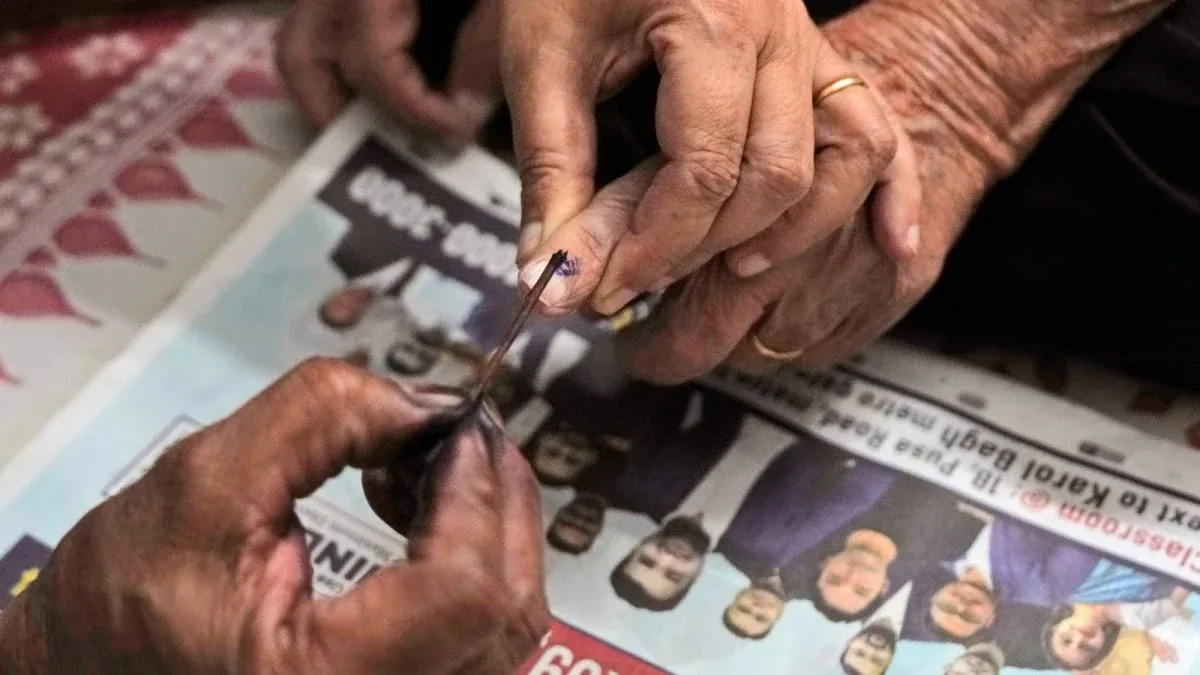
The articles explain India's election process focusing on Electronic Voting Machines (EVMs) and Voter Verifiable Paper Audit Trail (VVPAT) systems. Voters verify identity before casting votes in a private booth using EVMs, which record votes electronically. VVPAT provides a paper slip for voter confirmation. The machines operate independently without network connections, enhancing transparency and speeding up counting. Election officials oversee the process, ensuring adherence to Election Commission guidelines for fairness and security.
Political Bias
0%100%0%
Sentiment
60%
AI Analysis
Political bias across 2 sources
● Left 0%● Center 100%● Right 0%
The articles present a procedural overview of India's election technology and processes without political commentary. They focus on official guidelines and technical details, reflecting a neutral stance. No partisan viewpoints or political party perspectives are included, emphasizing the administrative and technical aspects of voting.
Sentiment — Neutral (60/100)
The tone across the articles is neutral and informative, aiming to educate readers about election procedures. There is no emotional or evaluative language, and the coverage highlights transparency and efficiency features without criticism or praise, resulting in a balanced and factual presentation.
How 2 sources covered this story
Each source's own headline, political lean, and sentiment — so you can see framing differences at a glance.
| Source | Their headline | Bias | Sentiment |
|---|---|---|---|
| hindustantimes | Ahead of assembly polls, a look at how elections are conducted: EVMs, VVPAT, and counting process explained | Center | Neutral |
| news18 | West Bengal Polling Booth Process Explained: What Happens Inside Voting Stations | Center | Neutral |
Coverage timeline
news18 broke this story on 17 Apr, 04:33 pm. Other outlets followed.
- 1news1817 Apr, 04:33 pmWest Bengal Polling Booth Process Explained: What Happens Inside Voting Stations
- 2hindustantimes18 Apr, 10:14 amAhead of assembly polls, a look at how elections are conducted: EVMs, VVPAT, and counting process explained
Lens Score breakdown
31/100
Public interest0/100
Coverage gap100%
Well-covered story — coverage matches public importance.
Who's involved
Institutions and figures named across source coverage.
Government
Election Commission of India
Enforcement
Security Personnel
Story context
- Category
- Politics
- Location
- West Bengal, India
- Sources analysed
- 2
- Last analysed
- 18 Apr 2026
- Key entities
- Election Commission of IndiaVoter-verified paper audit trailPolling stationElectronic voting in IndiaWest BengalIdentity documentElectronic Privacy Information CenterSpeaker (politics)Transparency (behavior)Electoral rollDisabilityParliamentary procedure
Related Coverage
Select a news story to see related coverage from other media outlets.