1 hour agoPolitics
34LENS
2 SourcesMadhya Pradesh, India
 thebalanced.news
Supreme Court Allows Sedition Trials If Accused Does Not Object, Directs Madhya Pradesh High Court
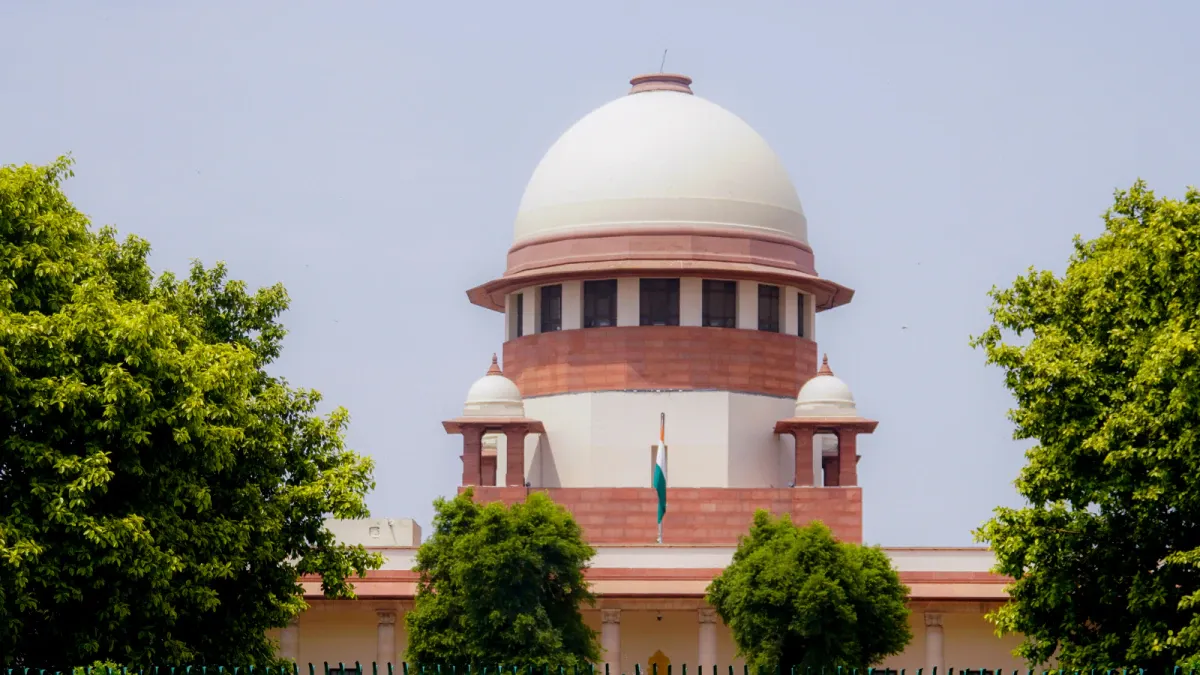
The Supreme Court ruled that courts may proceed with sedition trials under Section 124A of the Indian Penal Code if the accused does not object. This clarification arose during a hearing of an individual jailed for 17 years on sedition charges, whose appeal is pending before the Madhya Pradesh High Court. The court directed the high court to decide the appeal on its merits. Earlier, the Supreme Court had stayed sedition cases pending a government review and halted new registrations under the law.
Political Bias
60%35%5%
Sentiment
50%
AI Analysis
Political bias across 2 sources
● Left 60%● Center 35%● Right 5%
The articles present a judicial perspective focusing on legal procedures without political commentary. They reflect the Supreme Court's stance on sedition law application, highlighting the accused's rights and court directives. The coverage is neutral, emphasizing legal clarifications and procedural developments without partisan framing or political analysis.
Sentiment — Neutral (50/100)
The tone across the articles is neutral and factual, concentrating on the Supreme Court's legal ruling and procedural instructions. There is no evident positive or negative sentiment; instead, the coverage maintains an objective approach to reporting judicial decisions and their implications.
How 2 sources covered this story
Each source's own headline, political lean, and sentiment — so you can see framing differences at a glance.
| Source | Their headline | Bias | Sentiment |
|---|---|---|---|
| news18 | Courts Can Hear Sedition Cases If Accused Raises No Objection: Supreme Court | Left | Neutral |
| economictimes | 'Courts can hold sedition trials if accused has no objection': Supreme Court | Left | Neutral |
Coverage timeline
economictimes broke this story on 21 May, 09:59 am. Other outlets followed.
- 1economictimes21 May, 09:59 am'Courts can hold sedition trials if accused has no objection': Supreme Court
- 2news1821 May, 01:11 pmCourts Can Hear Sedition Cases If Accused Raises No Objection: Supreme Court
Lens Score breakdown
34/100
Public interest0/100
Coverage gap100%
Well-covered story — coverage matches public importance.
Who's involved
Institutions and figures named across source coverage.
Government
Madhya Pradesh High CourtUnion GovernmentState GovernmentsSupreme Court
Judiciary
Madhya Pradesh High CourtSupreme Court
Story context
- Category
- Politics
- Location
- Madhya Pradesh, India
- Sources analysed
- 2
- Last analysed
- 21 May 2026
- Key entities
- Supreme Court of IndiaSeditionMadhya Pradesh High CourtIndian Penal CodeSection 124A of the Indian Penal CodeChief justiceSupreme courtUnion Council of MinistersState governments of IndiaUnion of South AfricaArun ShourieBal Gangadhar Tilak
Related Coverage
Select a news story to see related coverage from other media outlets.