23 hours agoPolitics
31LENS
2 SourcesMumbai, India
 thebalanced.news
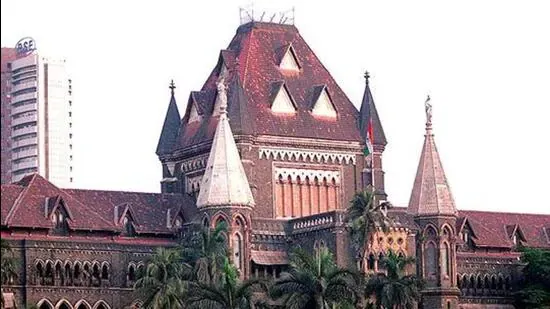
Bombay High Court Limits Psychiatric Tests in Divorce Cases to Prima Facie Evidence
The Bombay High Court ruled that matrimonial courts can order psychiatric evaluations in divorce cases involving mental illness under Section 13(1)(iii) of the Hindu Marriage Act, but such orders require prima facie evidence and cannot be made casually. The court emphasized that the spouse seeking divorce must establish that the other has an incurable mental disorder affecting cohabitation. This ruling came after setting aside a trial court's order directing a wife to undergo a psychiatric test without sufficient evidence.
Political Bias
0%100%0%
Sentiment
55%
AI Analysis
Political bias across 2 sources
● Left 0%● Center 100%● Right 0%
The articles present a legal perspective focusing on judicial procedures without political framing. They represent the judiciary's stance on matrimonial law, emphasizing legal standards and evidentiary requirements. There is no evident political bias, as the coverage centers on court rulings and legal interpretations rather than political viewpoints or party positions.
Sentiment — Neutral (55/100)
The tone across the articles is neutral and factual, concentrating on the legal reasoning behind the court's decision. The coverage neither praises nor criticizes the ruling but explains the judicial caution against casual psychiatric testing in divorce cases. The sentiment is balanced, reflecting a measured approach to legal discretion and procedural fairness.
How 2 sources covered this story
Each source's own headline, political lean, and sentiment — so you can see framing differences at a glance.
| Source | Their headline | Bias | Sentiment |
|---|---|---|---|
| indianexpress | Psychiatric tests in divorce cases can't be ordered casually, rules Bombay High Court | Center | Neutral |
| hindustantimes | Matrimonial court cannot casually order psychiatric test of a spouse: HC | Center | Neutral |
Coverage timeline
hindustantimes broke this story on 17 Apr, 12:19 am. Other outlets followed.
- 1hindustantimes17 Apr, 12:19 amMatrimonial court cannot casually order psychiatric test of a spouse: HC
- 2indianexpress17 Apr, 08:42 amPsychiatric tests in divorce cases can't be ordered casually, rules Bombay High Court
Lens Score breakdown
31/100
Public interest0/100
Coverage gap100%
Well-covered story — coverage matches public importance.
Who's involved
Institutions and figures named across source coverage.
Government
Bombay High Court
Judiciary
Matrimonial CourtKarnataka High CourtBombay High Court
Story context
- Category
- Politics
- Location
- Mumbai, India
- Sources analysed
- 2
- Last analysed
- 17 Apr 2026
- Key entities
- Mental disorderDivorceHindu Marriage Act, 1955PetitionerBombay High CourtPrima facieTrial courtHigh Court of JusticePsychiatryPsychiatristPleadingLiberty
Related Coverage
Select a news story to see related coverage from other media outlets.