1 hour agoSocial
28LENS
2 SourcesGuwahati, India
 thebalanced.news
Hindu Kush Himalaya Snow Cover Declines to 20-Year Low, Affecting Regional Water Resources
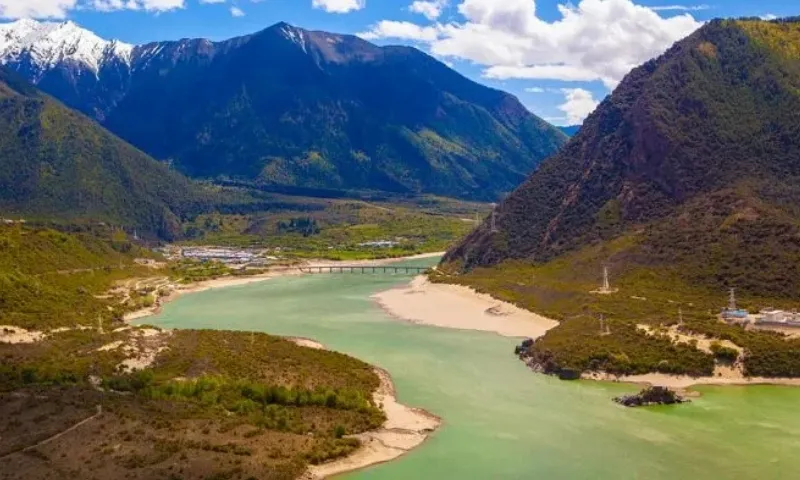
The International Centre for Integrated Mountain Development (ICIMOD) reports a significant decline in snow cover and persistence across the Hindu Kush Himalaya (HKH) region, reaching a 27.8% below-normal level in 2026, the lowest in over two decades. This marks the fourth consecutive year of below-average snow, affecting major river basins like the Brahmaputra, Indus, and Mekong. Reduced snow storage threatens early summer water availability, impacting agriculture, hydropower, and communities relying on snow-fed rivers across Asia.
Political Bias
5%93%2%
Sentiment
38%
AI Analysis
Political bias across 2 sources
● Left 5%● Center 93%● Right 2%
The articles primarily present scientific findings from ICIMOD without evident political framing. They focus on environmental and resource concerns affecting multiple countries in the HKH region. The coverage includes perspectives on regional water security and climate impacts but does not emphasize political responsibility or policy debates, maintaining a largely neutral and factual tone.
Sentiment — Neutral (38/100)
The overall sentiment is cautious and concerned, reflecting the environmental risks posed by declining snow cover. The tone is informative and sober, highlighting potential challenges for water availability and dependent communities without sensationalism. Both articles emphasize the seriousness of the trend while maintaining a measured, science-based approach.
How 2 sources covered this story
Each source's own headline, political lean, and sentiment — so you can see framing differences at a glance.
| Source | Their headline | Bias | Sentiment |
|---|---|---|---|
| economictimes | Himalayan snow cover drops sharply, hits 20-year low; plains may feel the impact | Center | Negative |
| northeastnow | Brahmaputra snow decline raises early summer water risks in Northeast: ICIMOD | Center | Neutral |
Coverage timeline
northeastnow broke this story on 25 Apr, 09:13 am. Other outlets followed.
- 1northeastnow25 Apr, 09:13 amBrahmaputra snow decline raises early summer water risks in Northeast: ICIMOD
- 2economictimes25 Apr, 09:39 amHimalayan snow cover drops sharply, hits 20-year low; plains may feel the impact
Lens Score breakdown
28/100
Public interest0/100
Coverage gap100%
Well-covered story — coverage matches public importance.
Story context
- Category
- Social
- Location
- Guwahati, India
- Sources analysed
- 2
- Last analysed
- 25 Apr 2026
- Key entities
- SnowAgricultureSnowmeltHindu KushSurface runoffHimalayasIrrawaddy RiverWater scarcityGangesDrainage basinInternational Centre for Integrated Mountain DevelopmentBrahmaputra River
Related Coverage
Select a news story to see related coverage from other media outlets.