2 hours agoSocial
34LENS
2 SourcesBangalore, India
 thebalanced.news
Extreme Heat Impacts Vulnerable Workers; Calls Grow for Stronger Labour Protections
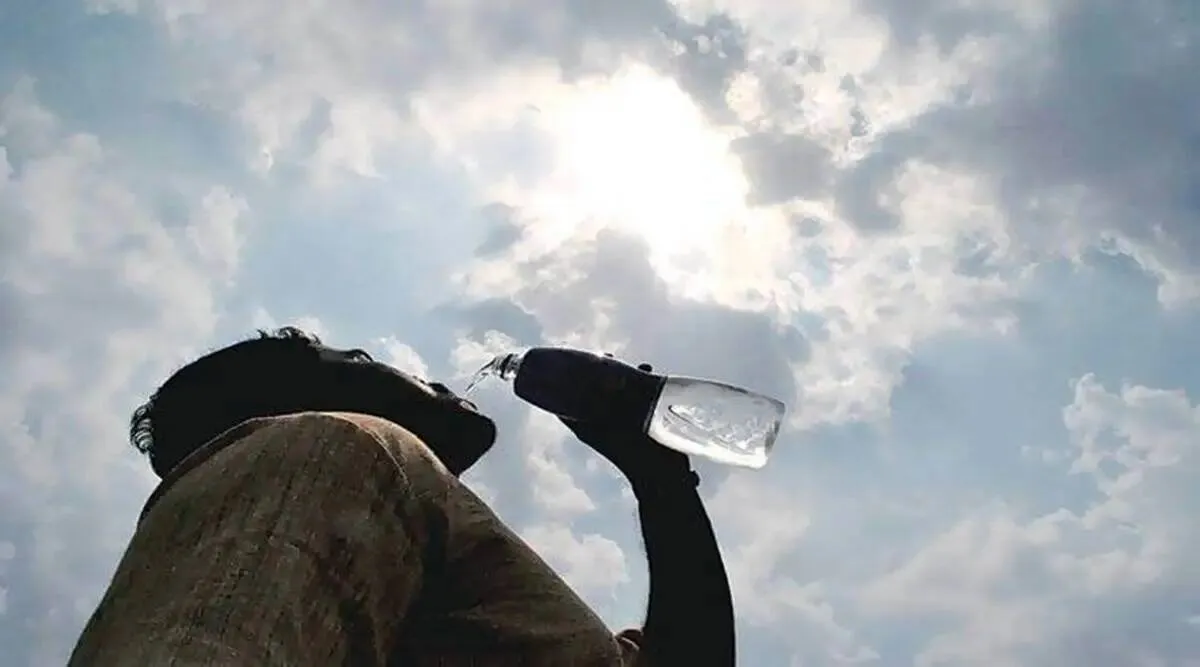
Rising extreme heat in Indian cities like Bengaluru and Delhi is significantly impacting vulnerable workers, including waste and construction laborers. Studies report high productivity declines and health risks such as heat stroke and kidney issues, with many lacking access to shade, water, and rest areas. Despite advisories issued by state governments, current labour laws lack enforceable provisions to protect workers from heat stress, prompting calls for integrating heat resilience into legal frameworks to ensure worker safety and economic stability.
Political Bias
40%55%5%
Sentiment
40%
AI Analysis
Political bias across 2 sources
● Left 40%● Center 55%● Right 5%
The articles present perspectives emphasizing worker safety and government responsibility without partisan framing. They include viewpoints from environmental officials, labour advocates, and international organizations, focusing on policy gaps and health impacts. The coverage highlights the need for legal reforms and government action, reflecting a policy-oriented discourse rather than political partisanship.
Sentiment — Neutral (40/100)
The overall tone is serious and concerned, highlighting the adverse effects of extreme heat on vulnerable workers and the insufficiency of current protections. While the coverage underscores challenges and risks, it also points to potential solutions through legal reforms, resulting in a cautiously constructive sentiment.
How 2 sources covered this story
Each source's own headline, political lean, and sentiment — so you can see framing differences at a glance.
| Source | Their headline | Bias | Sentiment |
|---|---|---|---|
| indianexpress | Extreme heat hits vulnerable populations like waste workers hard in Bengaluru; '86 workers report productivity drop' | Center | Neutral |
| hindustantimes | Labour code must shield workers from heat stress | Center | Neutral |
Coverage timeline
hindustantimes broke this story on 29 Apr, 03:49 pm. Other outlets followed.
- 1hindustantimes29 Apr, 03:49 pmLabour code must shield workers from heat stress
- 2indianexpress30 Apr, 01:33 pmExtreme heat hits vulnerable populations like waste workers hard in Bengaluru; '86 workers report productivity drop'
Lens Score breakdown
34/100
Public interest0/100
Coverage gap100%
Well-covered story — coverage matches public importance.
Accountability flags
TBN's analysis identified the following accountability dimensions in this story.
- systemic failure
This story points to a failure in institutional processes — regulation, safety, oversight, or service delivery breaking down at scale.
- public safety issue
This story involves a risk to public safety — infrastructure failure, regulatory lapse, hazardous conditions, or emergency mishandling.
- rights violation
This story involves alleged violations of constitutional or human rights — freedom of expression, due process, custodial rights, minority rights.
- environmental violation
This story involves alleged damage to environment or non-compliance with environmental regulation.
Who's involved
Institutions and figures named across source coverage.
Government
State GovernmentsState Disaster Management AuthorityIndian Meteorological DepartmentEnvironment MinistryLabour MinistryCentral GovernmentIndian Air Force
Story context
- Category
- Social
- Location
- Bangalore, India
- Sources analysed
- 2
- Last analysed
- 30 Apr 2026
- Key entities
- Heat waveHeat strokeHyperthermiaIndiaWet-bulb temperatureTemperatureBangaloreProductivityMercury (element)KarnatakaIndian Air ForceDrinking water
Related Coverage
Select a news story to see related coverage from other media outlets.