2 hours agoSocial
21LENS
2 SourcesWebster County, West Virginia, United States
 thebalanced.news
Origins and Evolution of Mother's Day: From Social Reform to National Holiday
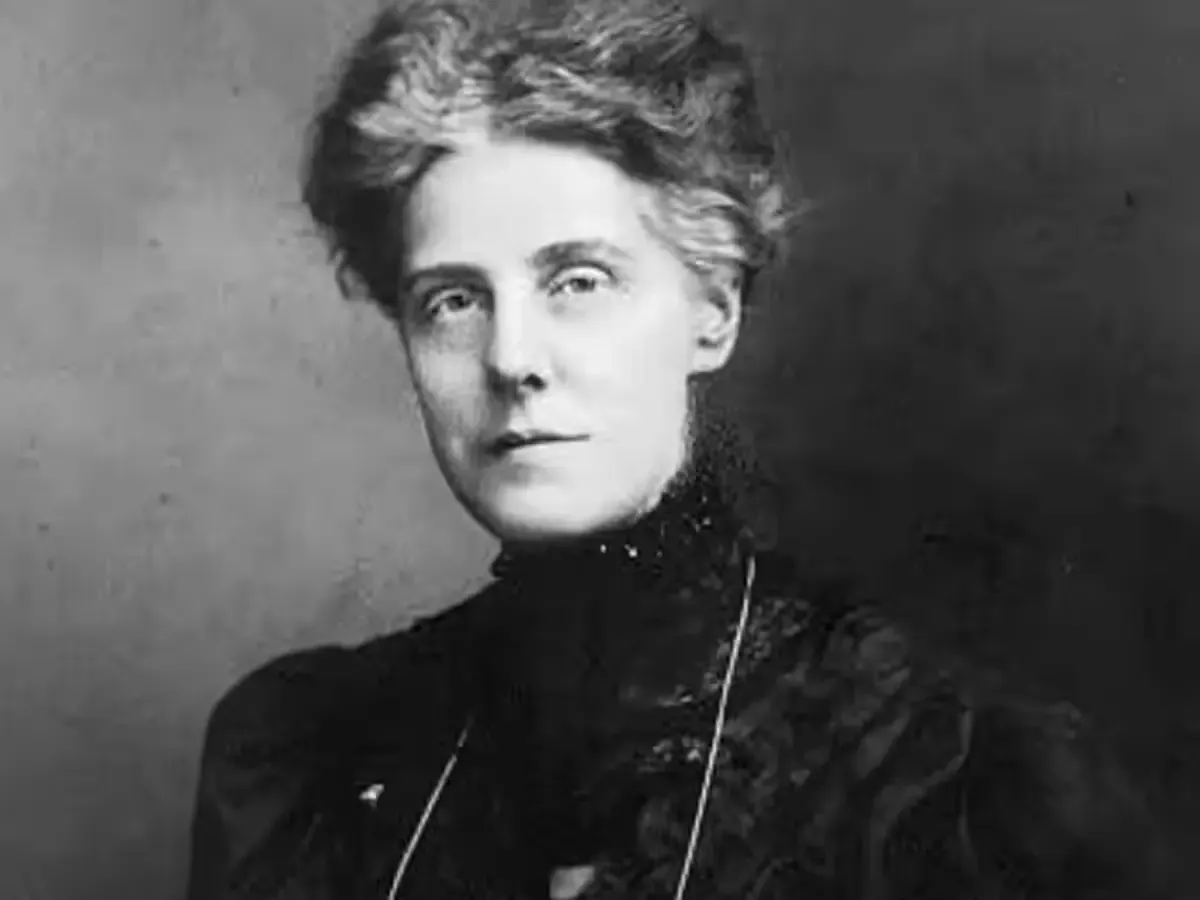
Mother's Day, celebrated annually on the second Sunday of May, originated from the efforts of Ann Reeves Jarvis, who organized 'Mothers' Day Work Clubs' in 19th-century West Virginia to improve health and promote reconciliation after the Civil War. Her daughter, Anna Jarvis, formalized the holiday in 1908 to honor her mother's work, leading to its official recognition by President Woodrow Wilson in 1914. Anna later opposed the commercialization of the day, seeking to preserve its original sentimental intent.
Political Bias
0%100%0%
Sentiment
68%
AI Analysis
Political bias across 2 sources
● Left 0%● Center 100%● Right 0%
The articles present a historical perspective focusing on social reform and personal motivations behind Mother's Day, without evident political framing. They highlight contributions from both Ann and Anna Jarvis and mention Julia Ward Howe's peace movement idea, reflecting diverse social viewpoints rather than partisan political positions.
Sentiment — Positive (68/100)
The tone across the articles is generally informative and reflective, emphasizing the contrast between the holiday's original intent and its modern commercialization. The sentiment is neutral to mildly positive, appreciating the historical efforts while acknowledging the complexities and changes over time.
How 2 sources covered this story
Each source's own headline, political lean, and sentiment — so you can see framing differences at a glance.
| Source | Their headline | Bias | Sentiment |
|---|---|---|---|
| wion | Who Was Anna Jarvis? The woman behind Mother's Day and her forgotten fight | Center | Positive |
| firstpost | The forgotten history behind Mother's Day | Center | Neutral |
Coverage timeline
firstpost broke this story on 8 May, 11:25 am. Other outlets followed.
- 1firstpost8 May, 11:25 amThe forgotten history behind Mother's Day
- 2wion9 May, 08:34 amWho Was Anna Jarvis? The woman behind Mother's Day and her forgotten fight
Lens Score breakdown
21/100
Public interest0/100
Coverage gap100%
Well-covered story — coverage matches public importance.
Story context
- Category
- Social
- Location
- Webster County, West Virginia, United States
- Sources analysed
- 2
- Last analysed
- 9 May 2026
- Key entities
- Anna JarvisMother's DayAnn JarvisDianthus caryophyllusWoodrow WilsonWebster County, West VirginiaTaylor County, West VirginiaHindi cinemaSaif Ali KhanOmAppalachiaSunday school
Related Coverage
Select a news story to see related coverage from other media outlets.