2 hours agoSocial
32LENS
5 SourcesDelhi, India
 thebalanced.news
AIIMS Study Links Early Screen Time to Increased Autism Signs by Age Three
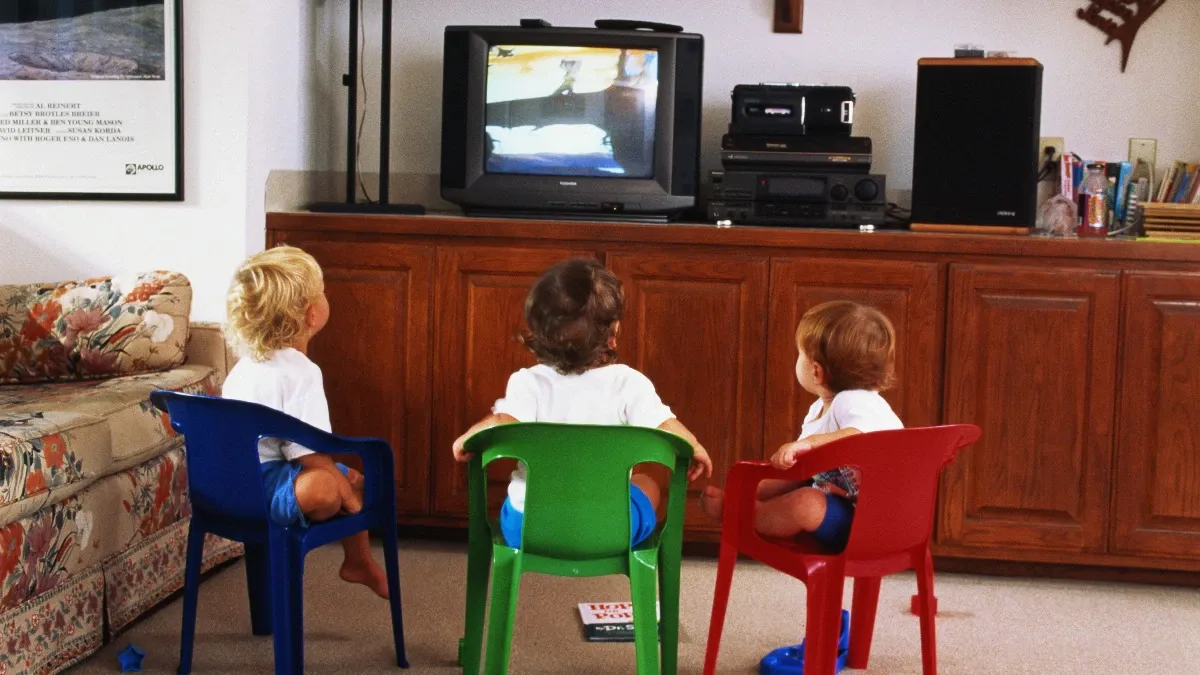
A study by AIIMS Delhi found that infants exposed to higher screen time before 18 months are more likely to show signs of autism by age three. Researchers emphasize that early screen exposure may replace crucial human interactions vital for brain development. The study involved children with and without autism, noting higher screen use and related challenges like sleep problems among autistic children. Experts recommend minimizing screen time for infants, aligning with WHO and pediatric guidelines to support healthy neurodevelopment.
Political Bias
0%100%0%
Sentiment
53%
AI Analysis
Political bias across 5 sources
● Left 0%● Center 100%● Right 0%
The article group presents a predominantly scientific and health-focused perspective, emphasizing research findings from AIIMS without political framing. Sources highlight expert opinions and established health guidelines, reflecting a consensus on developmental concerns related to screen time. There is no evident partisan or ideological bias, as coverage centers on medical evidence and public health recommendations.
Sentiment — Neutral (53/100)
The overall tone across the articles is cautionary but measured, focusing on potential risks of early screen exposure without alarmism. While highlighting concerns about autism risk and developmental impacts, the coverage also stresses the importance of balanced interaction and adherence to health guidelines. The sentiment is informative and advisory, aiming to raise awareness among parents and caregivers.
How 2 sources covered this story
Each source's own headline, political lean, and sentiment — so you can see framing differences at a glance.
| Source | Their headline | Bias | Sentiment |
|---|---|---|---|
| firstpost | The 1000 day window: Why AIIMS is warning against the infant screen time | Center | Neutral |
| indiatoday | AIIMS study flags early screen time leads to autism signs by age 3 | Center | Neutral |
Coverage timeline
indiatoday broke this story on 1 May, 11:39 am. Other outlets followed.
- 1indiatoday1 May, 11:39 amAIIMS study flags early screen time leads to autism signs by age 3
- 2firstpost1 May, 12:30 pmThe 1000 day window: Why AIIMS is warning against the infant screen time
Lens Score breakdown
32/100
Public interest0/100
Coverage gap100%
Well-covered story — coverage matches public importance.
Who's involved
Institutions and figures named across source coverage.
Government
World Health OrganizationAll India Institute of Medical Sciences DelhiAmerican Academy of Pediatrics
Story context
- Category
- Social
- Location
- Delhi, India
- Sources analysed
- 5
- Last analysed
- 1 May 2026
- Key entities
- Autism spectrumNeurologyAll India Institute of Medical Sciences, New DelhiNeurodevelopmental disorderBrainAll India Institutes of Medical SciencesPediatricsWorld Health OrganizationIndiaEye contactAddictionCenters for Disease Control and Prevention
Related Coverage
Select a news story to see related coverage from other media outlets.