5 hours agoSocial
28LENS
4 SourcesRussia
 thebalanced.news
Rustam Nabiev Becomes First Double Amputee to Climb Everest Using Only Arms
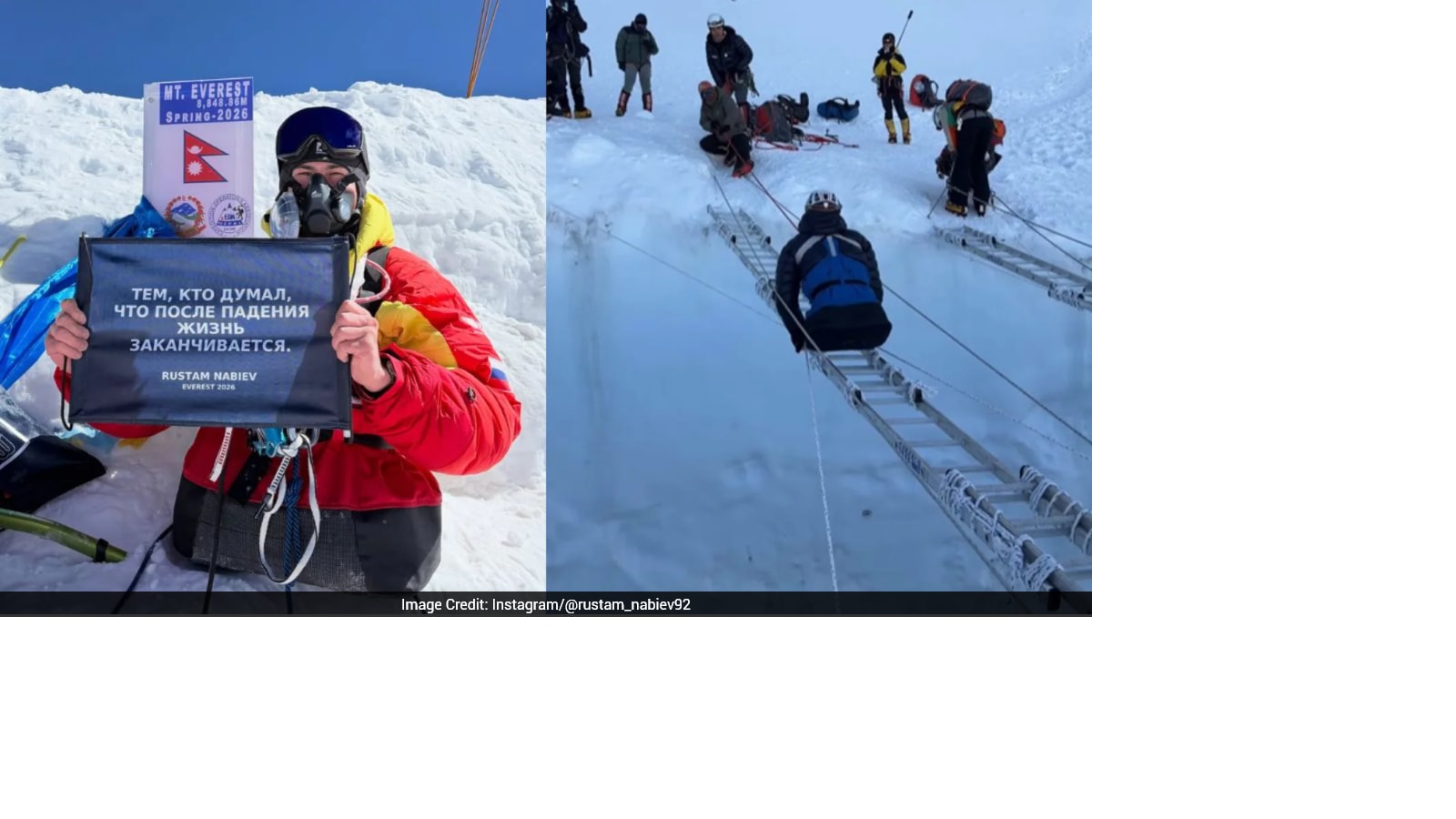
Russian mountaineer Rustam Nabiev, a former paratrooper who lost both legs in a 2015 barracks collapse, became the first double amputee to summit Mount Everest using only his arms without prosthetic limbs. He reached the 8,848.86-metre peak on May 20, 2026, during Nepal's spring climbing season. Nabiev navigated challenging sections like the Khumbu Icefall using his hands and dedicated his achievement to supporters, emphasizing perseverance despite adversity.
Political Bias
0%100%0%
Sentiment
85%
AI Analysis
Political bias across 4 sources
● Left 0%● Center 100%● Right 0%
The articles primarily focus on Nabiev's personal achievement and resilience, presenting his story without political framing. They include official confirmations from Everest Base Camp authorities and highlight his background as a former Russian soldier. The coverage is centered on human interest and inspirational aspects, with no evident political perspectives or partisan interpretations.
Sentiment — Positive (85/100)
The overall tone across the articles is positive and inspirational, emphasizing Nabiev's determination and historic accomplishment. The narrative highlights his overcoming of physical challenges and dedication to supporters, fostering an uplifting sentiment. There is no negative or critical sentiment present, and the coverage aims to motivate and celebrate human endurance.
How 4 sources covered this story
Each source's own headline, political lean, and sentiment — so you can see framing differences at a glance.
| Source | Their headline | Bias | Sentiment |
|---|---|---|---|
| firstpost | Meet Rustam Nabiev, the ex-Russian soldier who climbed Everest using only his arms | Center | Positive |
| wion | Who is Rustam Nabiev? Double amputee becomes first to climb Everest without prosthetic legs | Center | Positive |
| ndtv | Rustam Nabiev, Ex-Russian Soldier Who Lost Both Legs Becomes First Person To Climb Everest Using Only Arms | Center | Positive |
| news18 | In 2015, He Lost Both Legs. In 2026, He Climbed Mount Everest Using Only His Arms | Center | Positive |
Coverage timeline
news18 broke this story on 21 May, 02:24 pm. Other outlets followed.
- 1news1821 May, 02:24 pmIn 2015, He Lost Both Legs. In 2026, He Climbed Mount Everest Using Only His Arms
- 2ndtv22 May, 02:34 amRustam Nabiev, Ex-Russian Soldier Who Lost Both Legs Becomes First Person To Climb Everest Using Only Arms
- 3wion22 May, 07:57 amWho is Rustam Nabiev? Double amputee becomes first to climb Everest without prosthetic legs
- 4firstpost22 May, 10:09 amMeet Rustam Nabiev, the ex-Russian soldier who climbed Everest using only his arms
Lens Score breakdown
28/100
Public interest0/100
Coverage gap100%
Well-covered story — coverage matches public importance.
Story context
- Category
- Social
- Location
- Russia
- Sources analysed
- 4
- Last analysed
- 22 May 2026
- Key entities
- Mount EverestMountaineeringProsthesisRussiaNepalAmputationInstagramSummitClimbingEverest base campsParatrooperBarracks
Related Coverage
Select a news story to see related coverage from other media outlets.