2 hours agoSocial
23LENS
2 SourcesIndia
 thebalanced.news
Challenges and Economic Importance of Affordable Housing in India's Urban Areas
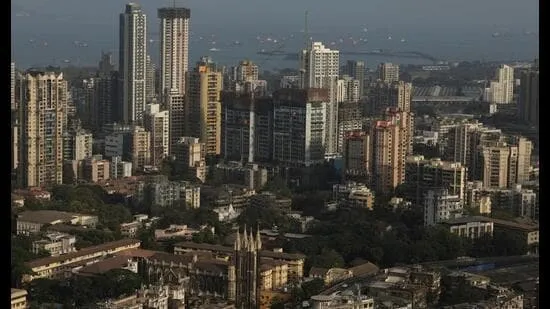
India faces a growing affordable housing challenge as rapid urbanization increases demand. Reports highlight that high land costs, low rental yields, and limited access to financing hinder supply, especially for low-income groups. While government schemes like Pradhan Mantri Awas Yojana offer some relief, experts argue for revisiting public housing models to ensure sufficient affordable supply. Affordable housing is also seen as critical infrastructure that supports economic productivity and urban growth, beyond just a welfare concern.
Political Bias
25%70%5%
Sentiment
58%
AI Analysis
Political bias across 2 sources
● Left 25%● Center 70%● Right 5%
The articles present a largely policy-focused perspective emphasizing government roles and economic implications without partisan framing. They highlight challenges in housing supply and financing while advocating for state intervention and infrastructure investment. Both sources frame affordable housing as a socio-economic issue requiring balanced policy responses, reflecting mainstream development and urban planning viewpoints.
Sentiment — Neutral (58/100)
The overall tone is analytical and cautiously concerned, acknowledging significant housing challenges while recognizing existing government efforts. The coverage balances highlighting problems with suggestions for policy improvements and economic benefits, resulting in a mixed but constructive sentiment focused on solutions rather than criticism.
How 2 sources covered this story
Each source's own headline, political lean, and sentiment — so you can see framing differences at a glance.
| Source | Their headline | Bias | Sentiment |
|---|---|---|---|
| hindustantimes | The case for affordable housing in India's cities | Center | Neutral |
| businessstandard | Beyond welfare: Affordable urban housing offers multiple economic benefits | Center | Positive |
Coverage timeline
businessstandard broke this story on 20 May, 06:00 pm. Other outlets followed.
- 1businessstandard20 May, 06:00 pmBeyond welfare: Affordable urban housing offers multiple economic benefits
- 2hindustantimes21 May, 03:26 pmThe case for affordable housing in India's cities
Lens Score breakdown
23/100
Public interest0/100
Coverage gap100%
Well-covered story — coverage matches public importance.
Who's involved
Institutions and figures named across source coverage.
Government
Pradhan Mantri Awas YojanaNiti Aayog
Story context
- Category
- Social
- Location
- India
- Sources analysed
- 2
- Last analysed
- 21 May 2026
- Key entities
- IndiaHomelessness in the United StatesRentingLeasehold estateNITI AayogSpeculationAffordable housingUrban areaHomelessnessPradhan Mantri Awas YojanaSubsidized housingCouncil house
Related Coverage
Select a news story to see related coverage from other media outlets.