2 hours agoSocial
28LENS
2 SourcesMaharashtra, India
 thebalanced.news
Shetphal Village in Maharashtra Known for Human-Cobra Coexistence and Reverence
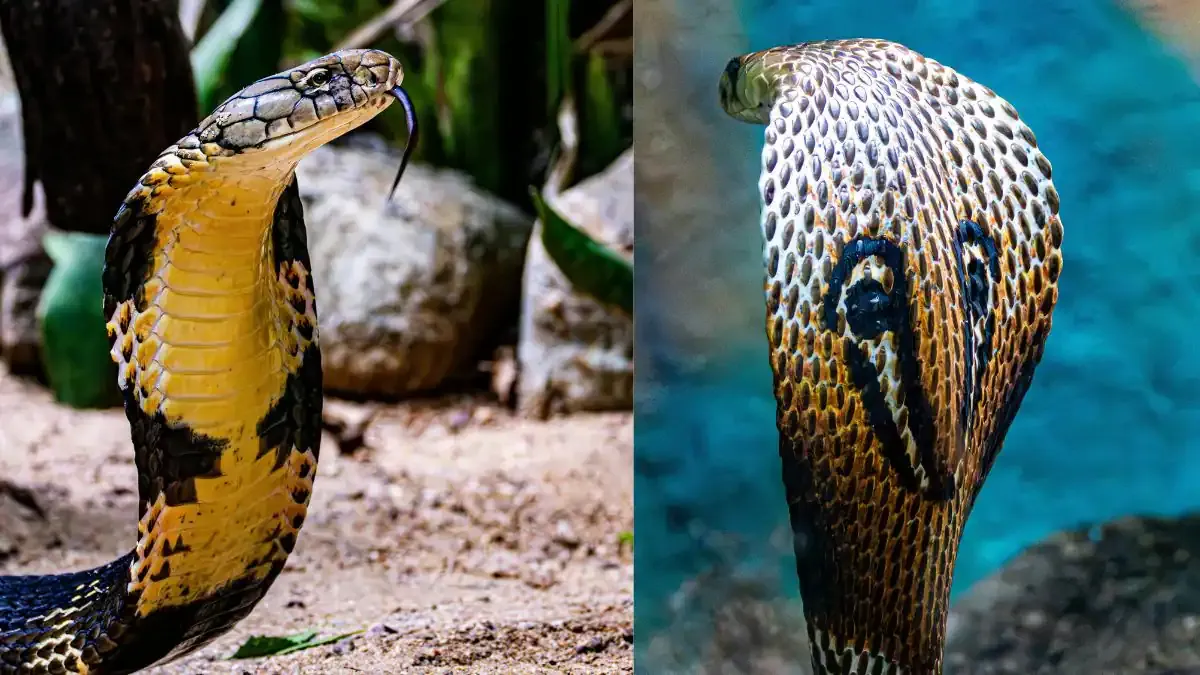
Shetphal, a village in Maharashtra, India, is known for its unique coexistence between humans and cobras. Unlike typical fear of snakes, villagers revere and integrate them into daily life, providing special resting places in homes and observing serpent worship traditions linked to Hindu culture. This longstanding cultural relationship has made Shetphal notable nationally and internationally for its peaceful human-snake interaction, attracting visitors and wildlife enthusiasts.
Political Bias
0%100%0%
Sentiment
72%
AI Analysis
Political bias across 2 sources
● Left 0%● Center 100%● Right 0%
The articles present a cultural and social perspective focusing on traditional beliefs and practices without political framing. They emphasize local customs and human-wildlife interaction, reflecting respect for indigenous traditions. There is no evident political bias, as the coverage centers on community identity and cultural heritage rather than political issues.
Sentiment — Positive (72/100)
The tone across the articles is generally positive and respectful, highlighting the harmonious relationship between villagers and snakes. The coverage conveys fascination and admiration for the unique coexistence, avoiding fear or negativity typically associated with snakes. The sentiment is balanced, focusing on cultural reverence and peaceful living rather than sensationalism.
How 2 sources covered this story
Each source's own headline, political lean, and sentiment — so you can see framing differences at a glance.
| Source | Their headline | Bias | Sentiment |
|---|---|---|---|
| firstpost | Why this village is known as the Snake Village of India? | Center | Positive |
| moneycontrol | The 'Snake Village of India', where cobras are not feared but respected- Moneycontrol.com | Center | Positive |
Coverage timeline
moneycontrol broke this story on 25 May, 04:55 am. Other outlets followed.
- 1moneycontrol25 May, 04:55 amThe 'Snake Village of India', where cobras are not feared but respected- Moneycontrol.com
- 2firstpost25 May, 07:46 amWhy this village is known as the Snake Village of India?
Lens Score breakdown
28/100
Public interest0/100
Coverage gap100%
Well-covered story — coverage matches public importance.
Story context
- Category
- Social
- Location
- Maharashtra, India
- Sources analysed
- 2
- Last analysed
- 25 May 2026
- Key entities
- CobraSnakeIndiaWildlifeAgricultureMaharashtraSnake worshipHinduismVillageVenomous snakeNaga PanchamiEcological niche
Related Coverage
Select a news story to see related coverage from other media outlets.