15 hours agoSocial
25LENS
2 SourcesFrance
 thebalanced.news
Dogs Served Key Roles as Mascots and Mercy Workers in World War I
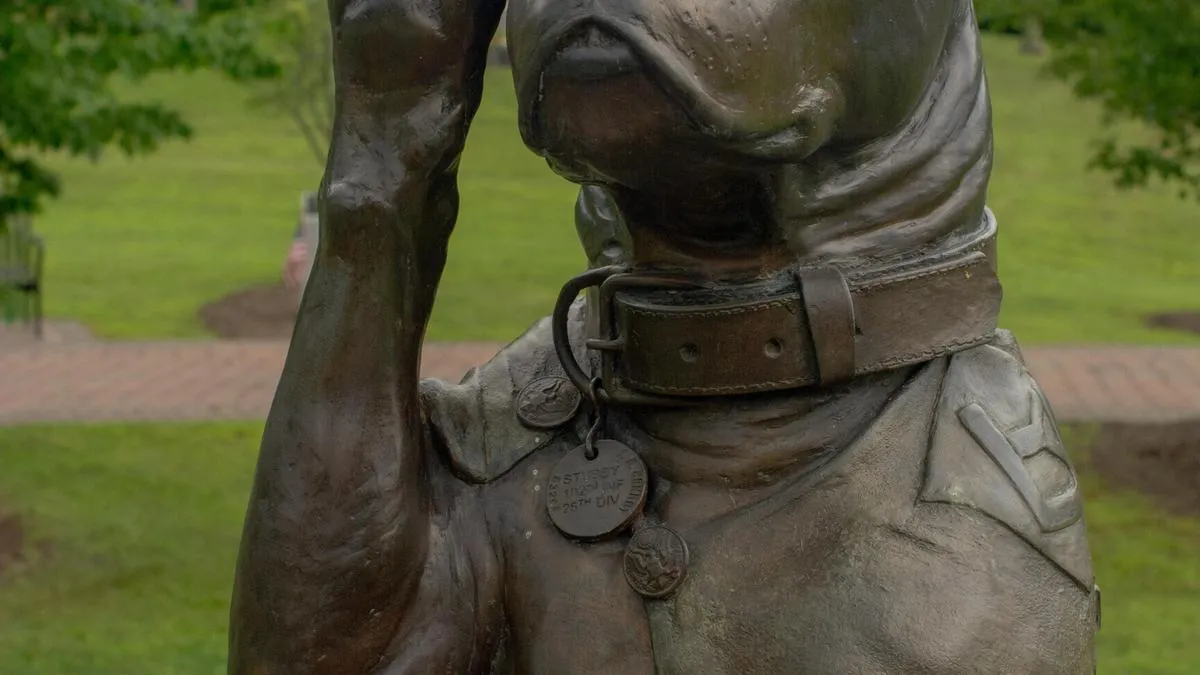
During World War I, dogs played significant roles on battlefields. Sergeant Stubby, a bull terrier or Boston Terrier mix, became the unofficial mascot of the 102nd Infantry, serving 18 months in combat and performing valuable tasks. Meanwhile, specially trained mercy dogs, including German Shepherds and Dobermans, searched for wounded soldiers, delivered medical supplies, and guided survivors to safety, with an estimated 10,000 serving in these roles. These canine contributions highlight their diverse and critical support during the war.
Political Bias
0%100%0%
Sentiment
78%
AI Analysis
Political bias across 2 sources
● Left 0%● Center 100%● Right 0%
The articles focus on historical accounts of dogs in World War I without political framing. They present factual narratives about military and humanitarian roles of dogs, emphasizing their contributions without linking to contemporary political issues. The perspectives are centered on military history and animal service, reflecting neutral, informative coverage.
Sentiment — Positive (78/100)
The tone across the articles is positive and respectful, highlighting the bravery and loyalty of dogs during wartime. The coverage conveys admiration for the animals' roles without sensationalism, balancing emotional appeal with factual storytelling. Overall, the sentiment is appreciative and informative.
How 2 sources covered this story
Each source's own headline, political lean, and sentiment — so you can see framing differences at a glance.
| Source | Their headline | Bias | Sentiment |
|---|---|---|---|
| thehindu | The very 'Paw-some' Sergeant Stubby | Center | Positive |
| economictimes | During World War I, specially trained 'mercy dogs' rescued wounded soldiers and delivered medical supplies on battlefields too deadly for human medics | Center | Positive |
Coverage timeline
economictimes broke this story on 19 May, 01:14 pm. Other outlets followed.
- 1economictimes19 May, 01:14 pmDuring World War I, specially trained 'mercy dogs' rescued wounded soldiers and delivered medical supplies on battlefields too deadly for human medics
- 2thehindu20 May, 05:06 amThe very 'Paw-some' Sergeant Stubby
Lens Score breakdown
25/100
Public interest0/100
Coverage gap100%
Well-covered story — coverage matches public importance.
Story context
- Category
- Social
- Location
- France
- Sources analysed
- 2
- Last analysed
- 20 May 2026
- Key entities
- Sergeant StubbyBull TerrierFranceUnited StatesDogNational Museum of American HistoryTroopshipInfantryMustard gasBoston TerrierBostonYale Bulldogs
Related Coverage
Select a news story to see related coverage from other media outlets.