1 hour agoSocial
25LENS
2 SourcesJaipur, India
 thebalanced.news
Emerging Reading Rooms and Bookstores Foster Study and Community Across India
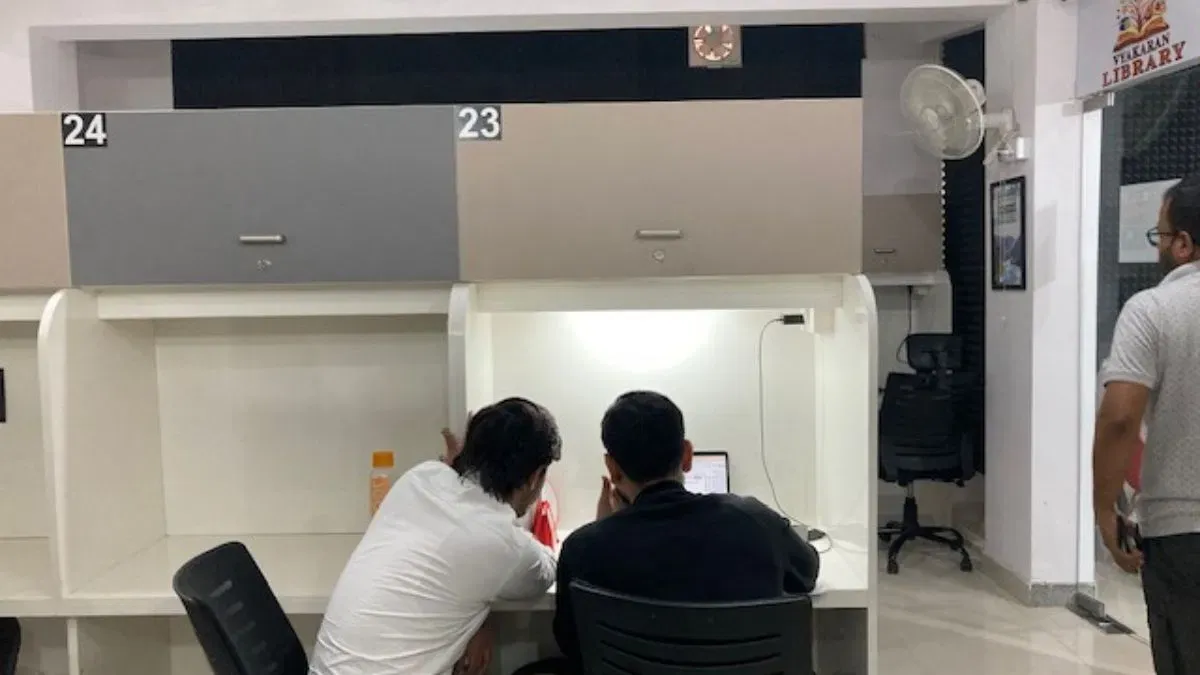
Across small-town India, private 'reading rooms' have emerged as popular spaces offering desks, Wi-Fi, air-conditioning, and quiet for students preparing competitive exams, especially post-pandemic. These spaces provide an alternative to crowded homes and costly coaching. Meanwhile, independent bookstores in cities like Jaipur and Delhi are evolving into community hubs, hosting book clubs and events that foster social engagement and support among readers, highlighting a growing cultural shift in how reading spaces serve diverse social needs.
Political Bias
0%100%0%
Sentiment
70%
AI Analysis
Political bias across 2 sources
● Left 0%● Center 100%● Right 0%
The articles focus on social and cultural developments without explicit political framing. They represent perspectives from educational aspirants, small business owners, and community members, emphasizing grassroots trends rather than political viewpoints. The coverage is descriptive, highlighting evolving reading environments without partisan commentary or policy critique.
Sentiment — Positive (70/100)
The tone across the articles is generally positive, emphasizing innovation and community-building. The reading rooms are portrayed as beneficial solutions for students, while bookstores are depicted as welcoming social spaces. There is an optimistic sentiment about these evolving reading environments supporting education and social connection, with no significant negative or critical language.
How 2 sources covered this story
Each source's own headline, political lean, and sentiment — so you can see framing differences at a glance.
| Source | Their headline | Bias | Sentiment |
|---|---|---|---|
| thehindu | Bookstores as third spaces | Center | Positive |
| theprint | The Reading Room phenomenon across small-town India. Built for the exam generation | Center | Neutral |
Coverage timeline
theprint broke this story on 22 May, 04:41 am. Other outlets followed.
- 1theprint22 May, 04:41 amThe Reading Room phenomenon across small-town India. Built for the exam generation
- 2thehindu23 May, 12:44 amBookstores as third spaces
Lens Score breakdown
25/100
Public interest0/100
Coverage gap100%
Well-covered story — coverage matches public importance.
Story context
- Category
- Social
- Location
- Jaipur, India
- Sources analysed
- 2
- Last analysed
- 23 May 2026
- Key entities
- DelhiUnion Public Service CommissionLibraryWi-FiIndiaSirsaAlternating currentPrivacyIndian rupeeRohtakNational Eligibility cum Entrance Test (Undergraduate)Delhi Metro
Related Coverage
Select a news story to see related coverage from other media outlets.