1 hour agoSocial
39LENS
2 SourcesHaryana, India
 thebalanced.news
CAQM Reviews Rise in Stubble Burning and Air Pollution Measures in Delhi-NCR
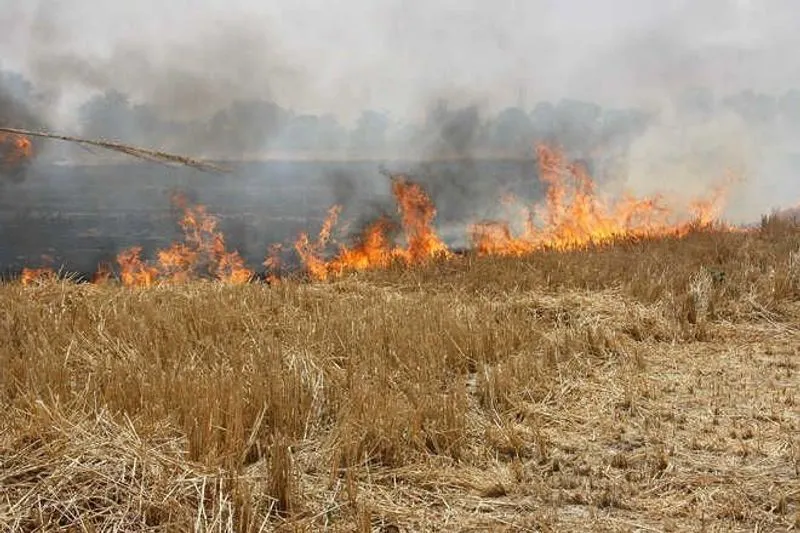
The Commission for Air Quality Management (CAQM) reviewed a significant rise in stubble-burning incidents in Punjab and Haryana between April 1 and May 15, with Punjab reporting 8,986 cases and Haryana 3,290, both higher than the previous year. The commission directed stricter enforcement by state governments and discussed measures to curb air pollution in Delhi-NCR, including installing 46 additional air quality monitoring stations to total 157. It also emphasized achieving greening and plantation targets of around 4.6 crore trees for 2026-27 through effective implementation and follow-up.
Political Bias
10%85%5%
Sentiment
55%
AI Analysis
Political bias across 2 sources
● Left 10%● Center 85%● Right 5%
The articles present a government-focused perspective emphasizing official data and directives from the Commission for Air Quality Management. Both sources highlight state government responsibilities and enforcement without critique or opposition viewpoints. The framing centers on administrative actions and environmental targets, reflecting a policy implementation angle without partisan commentary.
Sentiment — Neutral (55/100)
The tone across the articles is neutral and factual, focusing on reporting statistics and official measures. There is no evident positive or negative sentiment; instead, the coverage stresses the seriousness of increased stubble burning and the commission's efforts to address air pollution through monitoring and plantation initiatives.
How 2 sources covered this story
Each source's own headline, political lean, and sentiment — so you can see framing differences at a glance.
| Source | Their headline | Bias | Sentiment |
|---|---|---|---|
| hindustantimes | CAQM reviews spike in stubble burning incidents, measures to curb air pollution in Delhi-NCR | Center | Neutral |
| thetribune | Air quality panel reviews spike in stubble-burning incidents, measures to curb air pollution in Delhi-NCR - The Tribune | Center | Neutral |
Coverage timeline
thetribune broke this story on 15 May, 12:46 pm. Other outlets followed.
- 1thetribune15 May, 12:46 pmAir quality panel reviews spike in stubble-burning incidents, measures to curb air pollution in Delhi-NCR - The Tribune
- 2hindustantimes15 May, 12:59 pmCAQM reviews spike in stubble burning incidents, measures to curb air pollution in Delhi-NCR
Lens Score breakdown
39/100
Public interest0/100
Coverage gap100%
Story is receiving appropriate media attention relative to public interest.
Accountability flags
TBN's analysis identified the following accountability dimensions in this story.
- public safety issue
This story involves a risk to public safety — infrastructure failure, regulatory lapse, hazardous conditions, or emergency mishandling.
- environmental violation
This story involves alleged damage to environment or non-compliance with environmental regulation.
Who's involved
Institutions and figures named across source coverage.
Government
State Governments of DelhiCommission for Air Quality ManagementState Governments of RajasthanNCR State GovernmentsState Governments of PunjabState Governments of HaryanaState Governments of Uttar Pradesh
Story context
- Category
- Social
- Location
- Haryana, India
- Sources analysed
- 2
- Last analysed
- 15 May 2026
- Key entities
- HaryanaNational Capital Region (India)Punjab, IndiaPlantationAir pollutionDelhiBambooCroreRajasthanUttar PradeshState government
Related Coverage
Select a news story to see related coverage from other media outlets.