1 hour agoSocial
28LENS
2 SourcesChicago, United States
 thebalanced.news
Study Finds Brain Synchronization Between Argentine Tango Dance Partners
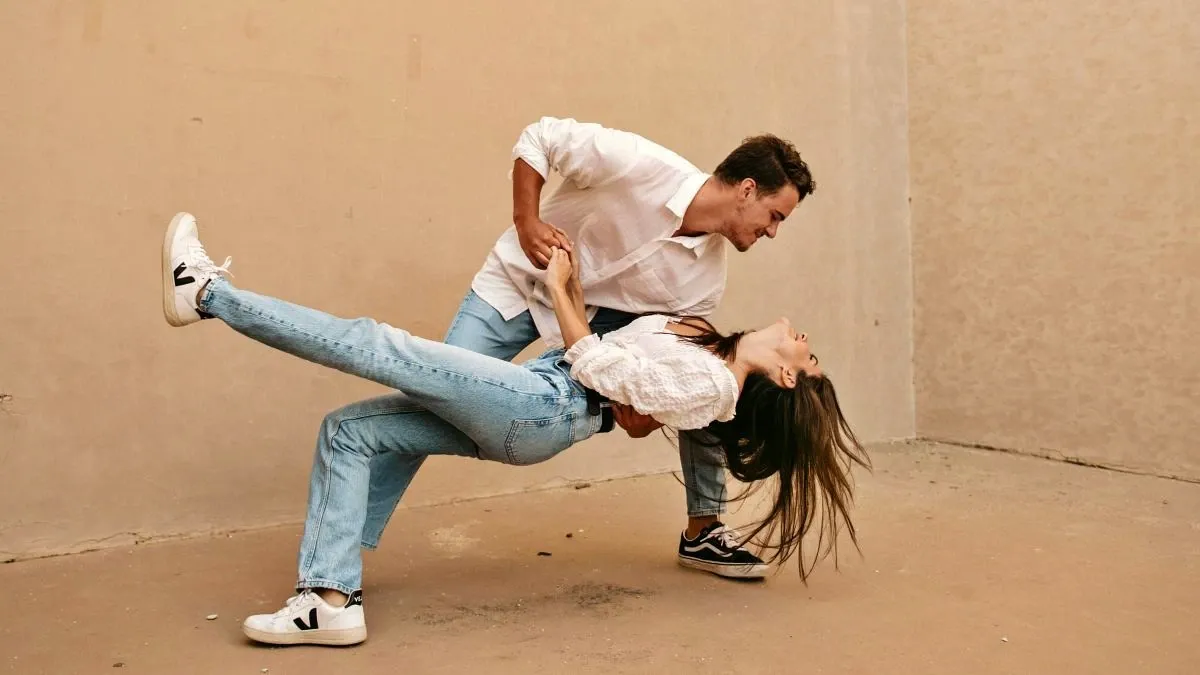
A University of Colorado Boulder study found that pairs of Argentine Tango dancers exhibit 'interbrain coupling,' where their brain activity synchronizes during coordinated movements. Using EEG caps and motion sensors, researchers observed that brainwaves aligned when dancers moved in sync but not when out of step. The study also introduced a wrist device providing real-time feedback on brain synchronization, suggesting potential applications for enhancing nonverbal coordination in team activities.
Political Bias
0%100%0%
Sentiment
75%
AI Analysis
Political bias across 2 sources
● Left 0%● Center 100%● Right 0%
The articles present a scientific study without political framing, focusing on neuroscience and human interaction. Both sources emphasize research findings and technological developments, representing a neutral, academic perspective without political viewpoints or ideological interpretations.
Sentiment — Positive (75/100)
The tone across the articles is positive and informative, highlighting the novelty and potential applications of the research. The coverage conveys enthusiasm for scientific discovery and technological innovation, maintaining an objective and encouraging sentiment without exaggeration or criticism.
How 2 sources covered this story
Each source's own headline, political lean, and sentiment — so you can see framing differences at a glance.
| Source | Their headline | Bias | Sentiment |
|---|---|---|---|
| indiatoday | Something amazing happens when two people dance. Their brains sync | Center | Positive |
| theprint | Tango partners' brains sync up, new study finds. What it could mean for human communication | Center | Positive |
Coverage timeline
theprint broke this story on 5 May, 09:58 am. Other outlets followed.
- 1theprint5 May, 09:58 amTango partners' brains sync up, new study finds. What it could mean for human communication
- 2indiatoday5 May, 11:23 amSomething amazing happens when two people dance. Their brains sync
Lens Score breakdown
28/100
Public interest0/100
Coverage gap100%
Well-covered story — coverage matches public importance.
Story context
- Category
- Social
- Location
- Chicago, United States
- Sources analysed
- 2
- Last analysed
- 5 May 2026
- Key entities
- BrainUniversity of Colorado BoulderArgentine tangoNeural oscillationSynchronizationMillisecondElectroencephalographyTangoDanceTango musicImprovisationSensor
Related Coverage
Select a news story to see related coverage from other media outlets.