1 hour agoSocial
22LENS
2 Sources
 thebalanced.news
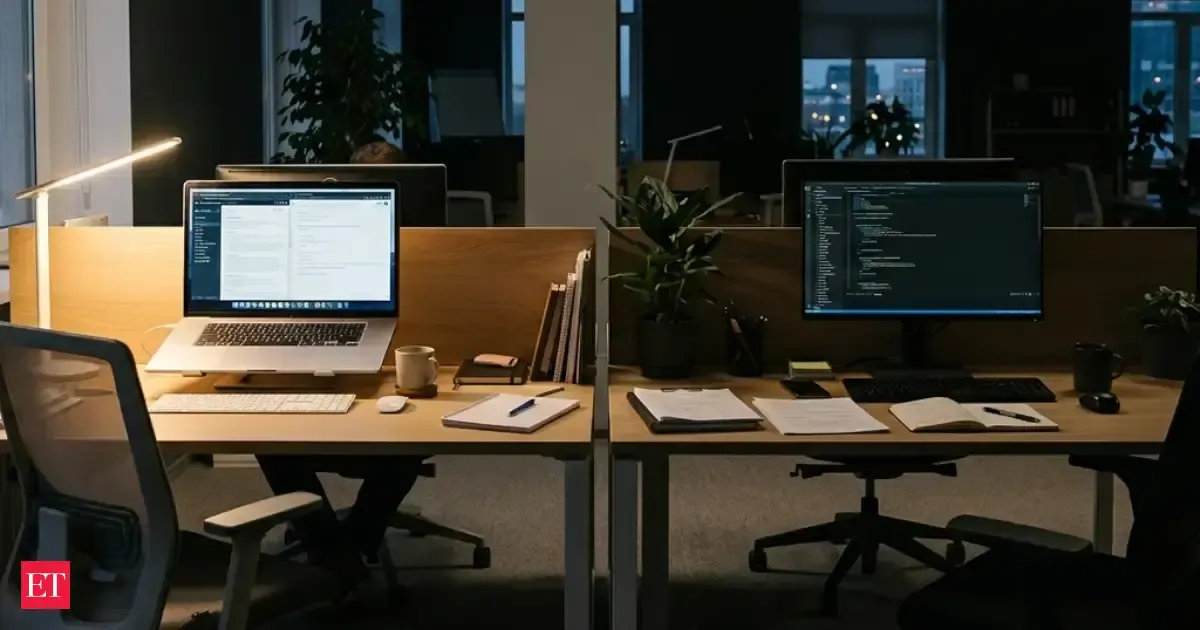
Employee Recognition Influenced by Visibility and Multiple Workplace Stakeholders
In modern workplaces, employee recognition often depends on visibility rather than solely on performance, especially in hybrid and remote settings where managers find it harder to track contributions. Recognition involves multiple stakeholders beyond immediate supervisors, including project managers and senior leaders, who influence which achievements are noticed. Effective communication and presence in informal networks play key roles in ensuring work is acknowledged, while lack of visibility can lead to disengagement despite strong performance.
Political Bias
0%100%0%
Sentiment
58%
AI Analysis
Political bias across 2 sources
● Left 0%● Center 100%● Right 0%
The articles present a neutral perspective focusing on workplace dynamics without political framing. They highlight organizational structures and communication patterns affecting employee recognition, representing viewpoints from management challenges to employee experiences. The coverage emphasizes systemic factors rather than partisan or ideological positions.
Sentiment — Neutral (58/100)
The tone across the articles is balanced and analytical, acknowledging challenges employees face in gaining recognition while avoiding overly negative or positive language. The sentiment reflects concern about potential disengagement due to visibility bias but also offers insight into organizational processes, resulting in a mixed but constructive overall tone.
How 2 sources covered this story
Each source's own headline, political lean, and sentiment — so you can see framing differences at a glance.
| Source | Their headline | Bias | Sentiment |
|---|---|---|---|
| economictimes | Are quiet achievers doomed? The unfair reality of office visibility bias | Center | Neutral |
| economictimes | The people who decide whether your work gets noticed are not always the people managing you directly | Center | Neutral |
Coverage timeline
economictimes broke this story on 14 May, 01:50 pm. Other outlets followed.
- 1economictimes14 May, 01:50 pmThe people who decide whether your work gets noticed are not always the people managing you directly
- 2economictimes15 May, 01:18 pmAre quiet achievers doomed? The unfair reality of office visibility bias
Lens Score breakdown
22/100
Public interest0/100
Coverage gap100%
Well-covered story — coverage matches public importance.
Story context
- Category
- Social
- Sources analysed
- 2
- Last analysed
- 15 May 2026
- Key entities
- Hybrid electric vehiclePerformance appraisalHeuristicOrganizational cultureMicrosoftBiasRemote workMIT Sloan Management ReviewMcKinsey & CompanySociety for Human Resource ManagementProject managerCommand hierarchy
Related Coverage
Select a news story to see related coverage from other media outlets.