1 hour agoSocial
30LENS
2 SourcesAssam, India
 thebalanced.news
Rare Blind Fish Species 'Gitchak Nakana' Discovered in Assam's Underground Waters
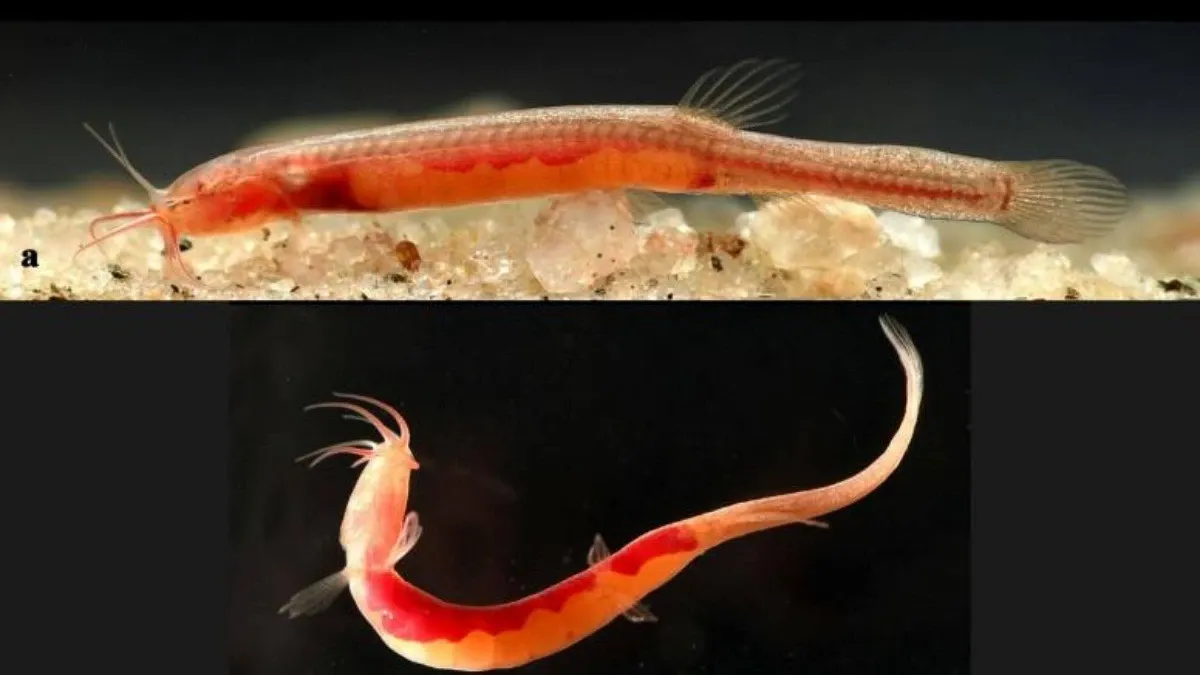
Scientists have discovered a rare, tiny, blind, blood-red fish species named Gitchak nakana in an underground well in Goalpara district, Assam. This marks the first groundwater-dwelling fish recorded in Northeast India. The fish, adapted to dark subterranean waters with unique anatomical features, was found accidentally when locals pumped water from a concrete-lined well. Assam's Chief Minister praised the collaborative research involving Indian and German institutions, emphasizing the region's rich, unexplored biodiversity and the importance of conserving such habitats.
Political Bias
0%100%0%
Sentiment
75%
AI Analysis
Political bias across 2 sources
● Left 0%● Center 100%● Right 0%
The articles primarily present a scientific discovery with positive recognition from Assam's Chief Minister, reflecting a pro-development and biodiversity conservation stance. Both sources highlight government support and international collaboration without political controversy, focusing on regional pride and scientific achievement. There is no evident partisan framing, and the coverage centers on environmental and research perspectives.
Sentiment — Positive (75/100)
The overall tone across the articles is positive and celebratory, emphasizing the uniqueness of the discovery and its contribution to understanding biodiversity. The language conveys fascination and pride, particularly through official statements, while also stressing the need for further research and conservation, maintaining an optimistic yet cautious sentiment.
How 2 sources covered this story
Each source's own headline, political lean, and sentiment — so you can see framing differences at a glance.
| Source | Their headline | Bias | Sentiment |
|---|---|---|---|
| ndtv | Rare Fish Species 'Gitchak Nakana' Discovered In Assam's Goalpara | Center | Positive |
| indiatoday | Alien-like fish discovered in underground well reveals hidden world beneath Assam | Center | Positive |
Coverage timeline
indiatoday broke this story on 28 Apr, 06:00 am. Other outlets followed.
- 1indiatoday28 Apr, 06:00 amAlien-like fish discovered in underground well reveals hidden world beneath Assam
- 2ndtv28 Apr, 09:55 amRare Fish Species 'Gitchak Nakana' Discovered In Assam's Goalpara
Lens Score breakdown
30/100
Public interest0/100
Coverage gap100%
Well-covered story — coverage matches public importance.
Who's involved
Institutions and figures named across source coverage.
Government
Assam Chief MinisterAssam Chief Minister Office
Story context
- Category
- Social
- Location
- Assam, India
- Sources analysed
- 2
- Last analysed
- 28 Apr 2026
- Key entities
- FishSpeciesBiodiversityAssamIndiaShillong PlateauNortheast IndiaGoalpara districtChief ministerHimanta Biswa SarmaAquiferFloodplain
Related Coverage
Select a news story to see related coverage from other media outlets.