1 hour agoSocial
33LENS
2 SourcesDelhi, India
 thebalanced.news
Delhi to Mandate Pink Saheli Smart Card for Free Bus Travel from July
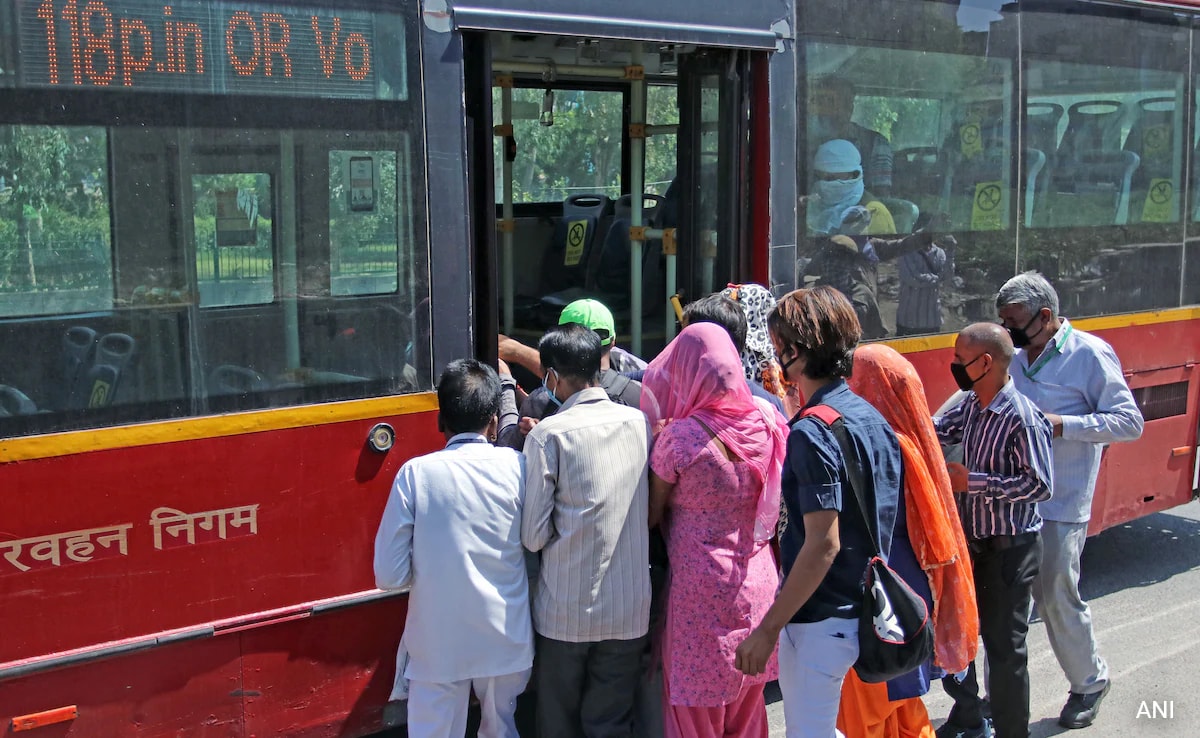
Delhi plans to require women using free travel on DTC and Cluster buses to tap a Pink Saheli Smart Card starting July, replacing the current pink paper tickets. Nearly six lakh women have registered for the card, but only 5-6% use the digital tap system. The government delayed strict enforcement during May and June due to summer conditions and will conduct awareness campaigns. The digital system aims to reduce misuse, enhance subsidy transparency, and support transport planning, remaining limited to Delhi residents.
Political Bias
10%85%5%
Sentiment
65%
AI Analysis
Political bias across 2 sources
● Left 10%● Center 85%● Right 5%
The articles present a straightforward government initiative without partisan framing, focusing on administrative details and commuter impact. The coverage reflects an official perspective emphasizing modernization and transparency, with no opposition or critical viewpoints included. The narrative centers on policy implementation and public adaptation, maintaining neutrality without political commentary.
Sentiment — Neutral (65/100)
The tone across the articles is neutral and informative, highlighting both the benefits of digitization and current challenges like low smart card usage. There is no evident positive or negative bias; instead, the coverage balances the government's goals with commuter realities and logistical considerations, resulting in a factual and measured sentiment.
How 2 sources covered this story
Each source's own headline, political lean, and sentiment — so you can see framing differences at a glance.
| Source | Their headline | Bias | Sentiment |
|---|---|---|---|
| ndtv | No Pink Saheli Card, No Free Bus Ride? Delhi Eyes Mandatory Use From July | Center | Neutral |
| ndtv | No Pink Saheli Card, No Free Bus Ride? Delhi Eyes Mandatory Use From July | Center | Neutral |
Coverage timeline
ndtv broke this story on 10 May, 07:00 pm. Other outlets followed.
- 1ndtv10 May, 07:00 pmNo Pink Saheli Card, No Free Bus Ride? Delhi Eyes Mandatory Use From July
- 2ndtv10 May, 07:33 pmNo Pink Saheli Card, No Free Bus Ride? Delhi Eyes Mandatory Use From July
Lens Score breakdown
33/100
Public interest0/100
Coverage gap100%
Well-covered story — coverage matches public importance.
Who's involved
Institutions and figures named across source coverage.
Government
Delhi GovernmentTransport Department
Story context
- Category
- Social
- Location
- Delhi, India
- Sources analysed
- 2
- Last analysed
- 10 May 2026
- Key entities
- Delhi Transport CorporationCommutingSmart cardBusDelhiLakhNational Common Mobility CardDigitizationDigital distributionNew DelhiAadhaarGovernment of Delhi
Related Coverage
Select a news story to see related coverage from other media outlets.