23 hours agoSocial
28LENS
3 SourcesAustralia
 thebalanced.news
Study Finds Sex-Based Differences in Parkinson's Disease Symptoms and Progression
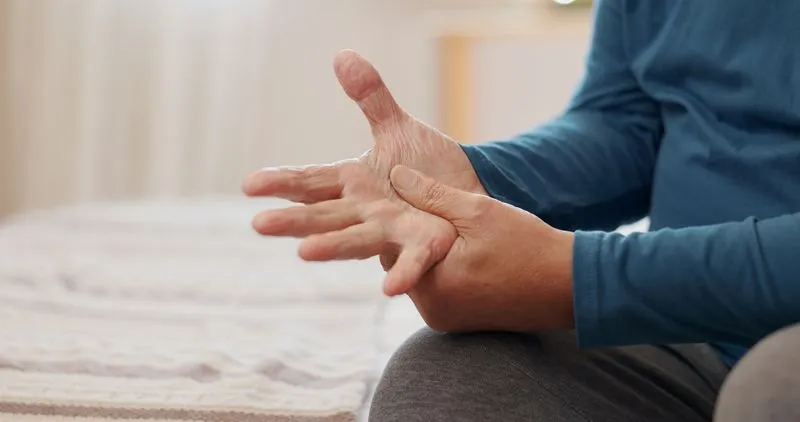
A study published in The Lancet Regional Health Western Pacific, based on data from nearly 11,000 participants in the Australian Parkinson's Genetics Study, found significant sex-based differences in Parkinson's disease symptoms. Women with Parkinson's are more likely to experience falls, pain, depression, and anxiety, while men report higher rates of memory changes, cognitive impairment, REM-sleep behaviour disorder, sleep apnoea, and impulsive behaviours. Researchers emphasize the need for personalized approaches to prevention, diagnosis, and treatment.
Political Bias
0%100%0%
Sentiment
60%
AI Analysis
Political bias across 3 sources
● Left 0%● Center 100%● Right 0%
The article group presents a scientific study focusing on medical research without political framing. Both sources emphasize the biological and clinical aspects of Parkinson's disease, highlighting sex-based differences in symptoms and progression. The coverage is neutral, focusing on research findings and expert statements without political or ideological perspectives.
Sentiment — Neutral (60/100)
The tone across the articles is neutral and informative, centered on presenting research results. There is no emotional or sensational language; instead, the coverage maintains a clinical and factual approach, reflecting the scientific nature of the study and its implications for personalized medical care.
How 3 sources covered this story
Each source's own headline, political lean, and sentiment — so you can see framing differences at a glance.
| Source | Their headline | Bias | Sentiment |
|---|---|---|---|
| ndtv | Women With Parkinson's More Likely To Experience Falls, Report Higher Rates Of Pain Than Men: Study | Center | Neutral |
| thetribune | Women with Parkinsons more likely to experience falls, report higher rates of pain than men: Study - The Tribune | Center | Neutral |
| thehindu | Women with Parkinson's more likely to experience falls, report higher rates of pain than men: Study | Center | Neutral |
Coverage timeline
thehindu broke this story on 20 May, 10:05 am. Other outlets followed.
- 1thehindu20 May, 10:05 amWomen with Parkinson's more likely to experience falls, report higher rates of pain than men: Study
- 2thetribune20 May, 10:12 amWomen with Parkinsons more likely to experience falls, report higher rates of pain than men: Study - The Tribune
- 3ndtv20 May, 03:01 pmWomen With Parkinson's More Likely To Experience Falls, Report Higher Rates Of Pain Than Men: Study
Lens Score breakdown
28/100
Public interest0/100
Coverage gap100%
Well-covered story — coverage matches public importance.
Story context
- Category
- Social
- Location
- Australia
- Sources analysed
- 3
- Last analysed
- 20 May 2026
- Key entities
- Parkinson's diseaseDiagnosisCognitive impairmentNeurodegenerative diseaseRapid eye movement sleepQuestionnaireGeneticsDepression (mood)The LancetAnxietyAustraliaHypokinesia
Related Coverage
Select a news story to see related coverage from other media outlets.