2 hours agoSocial
25LENS
2 SourcesIndia
 thebalanced.news
Extreme Heat Threatens Worker Health and Agricultural Productivity in India and Globally
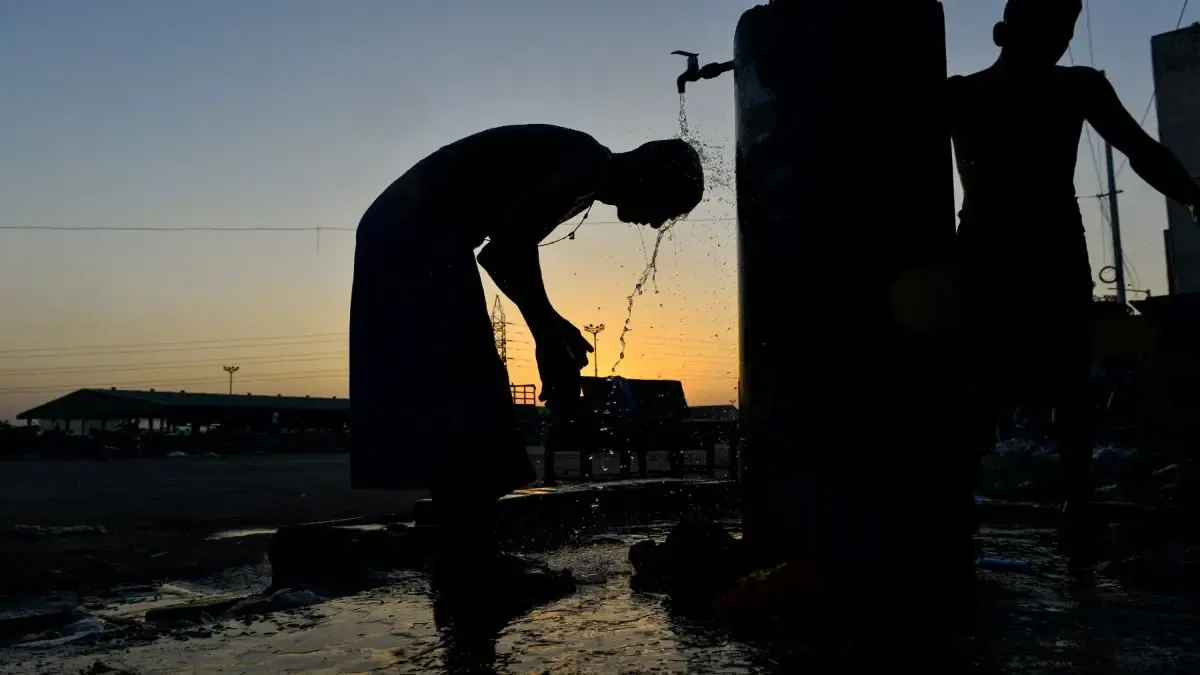
Extreme heat poses a growing threat to millions of workers in India and globally, particularly in agriculture and informal sectors. Reports highlight that around 380 million Indian workers face heat exposure, risking health and productivity, with up to 200 million potentially encountering lethal conditions by 2030. Globally, heat stress is reducing crop yields and causing significant labor hour losses, with South Asia projected to experience many unsafe workdays annually. Vulnerable groups, including women, face heightened risks due to limited resources and working conditions.
Political Bias
20%80%0%
Sentiment
30%
AI Analysis
Political bias across 2 sources
● Left 20%● Center 80%● Right 0%
The articles present perspectives focused on scientific and institutional reports without partisan framing. They emphasize the scale of heat-related risks to workers and agriculture, highlighting systemic challenges such as infrastructure and resource access. The coverage includes global and regional viewpoints from international organizations and research institutes, maintaining a policy-neutral stance centered on climate and labor impacts.
Sentiment — Negative (30/100)
The overall tone is cautionary and urgent, reflecting concern over escalating heat risks to health, labor, and food security. While highlighting severe consequences and vulnerabilities, the articles avoid sensationalism, instead relying on data and expert assessments to convey the seriousness of the issue. The sentiment is predominantly serious and informative, aiming to raise awareness rather than evoke emotional responses.
How 2 sources covered this story
Each source's own headline, political lean, and sentiment — so you can see framing differences at a glance.
| Source | Their headline | Bias | Sentiment |
|---|---|---|---|
| firstpost | India's new silent killer: 380 million workers at risk as heat turns deadlier than disasters | Center | Negative |
| businessstandard | Rising heat stress: Integrated climate strategy key to building resilience | Center | Negative |
Coverage timeline
businessstandard broke this story on 26 Apr, 05:22 pm. Other outlets followed.
- 1businessstandard26 Apr, 05:22 pmRising heat stress: Integrated climate strategy key to building resilience
- 2firstpost27 Apr, 10:10 amIndia's new silent killer: 380 million workers at risk as heat turns deadlier than disasters
Lens Score breakdown
25/100
Public interest0/100
Coverage gap100%
Well-covered story — coverage matches public importance.
Story context
- Category
- Social
- Location
- India
- Sources analysed
- 2
- Last analysed
- 27 Apr 2026
- Key entities
- IndiaHeat waveAgricultureTemperatureHarvard UniversityInformal economyDiffusionProductivityCycloneEconomy of IndiaFloodMortality rate
Related Coverage
Select a news story to see related coverage from other media outlets.