2 hours agoSocial
28LENS
2 SourcesGwalior, India
 thebalanced.news
Noida Factory Workers Face Financial Strain Amid Rising Living Costs and Low Wages
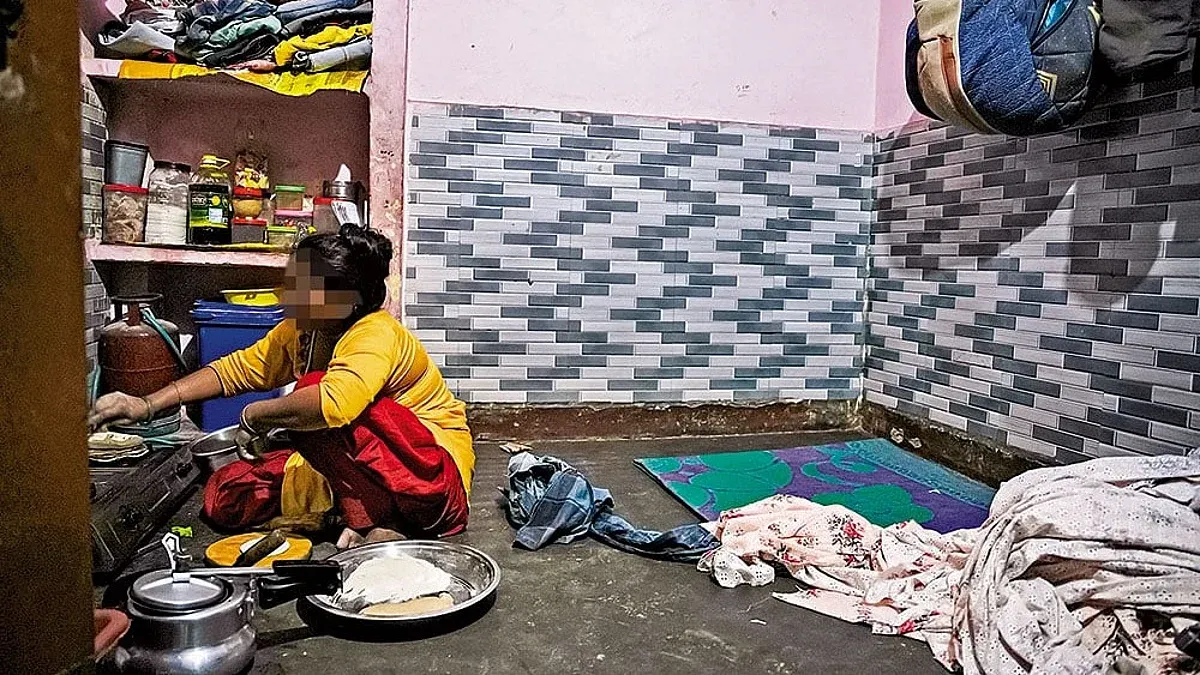
In Noida's industrial belt, many factory workers earn between Rs 11,000 and Rs 14,000 monthly, facing challenges from rising rent, inflation, and increased LPG prices. Workers like Rakesh manage tight budgets, prioritizing essentials and often sacrificing nutrition and comfort. The financial strain compels overtime work and shared living, with income loss from sickness or absence exacerbating hardships. Despite contributing to global manufacturing, these workers report insufficient wages to cover basic living costs.
Political Bias
70%28%2%
Sentiment
25%
AI Analysis
Political bias across 2 sources
● Left 70%● Center 28%● Right 2%
The articles present a socio-economic perspective focusing on workers' financial difficulties without explicit political framing. They highlight systemic issues like inflation and wage insufficiency, reflecting concerns common across political viewpoints. The coverage centers on workers' lived experiences and economic challenges, avoiding partisan interpretations or policy debates.
Sentiment — Negative (25/100)
The tone across the articles is predominantly somber and empathetic, emphasizing the hardships faced by low-wage workers. While not overtly negative, the coverage conveys concern over financial stress and survival struggles, illustrating the human impact of economic pressures without sensationalism.
How 2 sources covered this story
Each source's own headline, political lean, and sentiment — so you can see framing differences at a glance.
| Source | Their headline | Bias | Sentiment |
|---|---|---|---|
| httpswwwoutlookindiacom | Arithmetic of Survival: Between Protests and Pay Cuts, Noida's Workers Struggle to Survive Outlook India | Left | Negative |
| economictimes | Life on Rs 11,000 a month in Noida: How workers survive on minimal salaries amid rising LPG prices and high rent | Left | Negative |
Coverage timeline
economictimes broke this story on 19 Apr, 08:50 am. Other outlets followed.
- 1economictimes19 Apr, 08:50 amLife on Rs 11,000 a month in Noida: How workers survive on minimal salaries amid rising LPG prices and high rent
- 2httpswwwoutlookindiacom19 Apr, 09:02 amArithmetic of Survival: Between Protests and Pay Cuts, Noida's Workers Struggle to Survive Outlook India
Lens Score breakdown
28/100
Public interest0/100
Coverage gap100%
Well-covered story — coverage matches public importance.
Story context
- Category
- Social
- Location
- Gwalior, India
- Sources analysed
- 2
- Last analysed
- 19 Apr 2026
- Key entities
- Indian rupeeLiquefied petroleum gasOutlook (Indian magazine)RupeeGwaliorCurdGas cylinderMilkVegetableOvertimeInflationSecondary sector of the economy
Related Coverage
Select a news story to see related coverage from other media outlets.