2 hours agoSocial
25LENS
2 SourcesMumbai, India
 thebalanced.news
Heat, Dehydration, and Sunlight Linked to Increased Migraine Severity in Summer
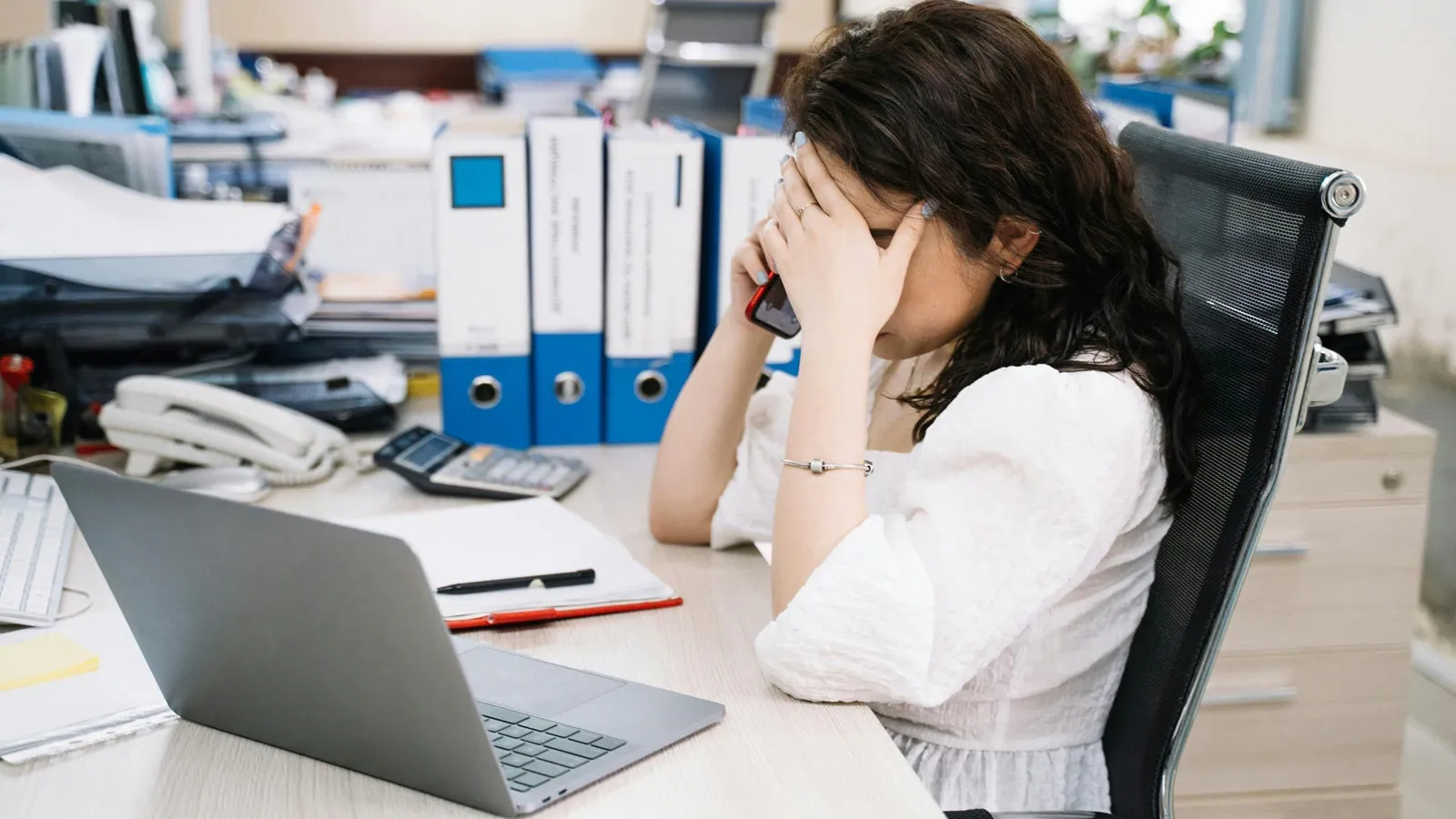
Migraines often worsen during summer due to environmental and lifestyle factors such as heat, dehydration, and sunlight exposure. Heat can trigger migraines by causing blood vessel dilation and changes in barometric pressure, while dehydration affects blood flow and brain function. Protective measures include staying hydrated and avoiding prolonged sun exposure. Individual experiences vary, with some patients noting increased severity in the afternoons linked to heat and humidity despite indoor air conditioning.
Political Bias
0%100%0%
Sentiment
62%
AI Analysis
Political bias across 2 sources
● Left 0%● Center 100%● Right 0%
The articles present medical and scientific perspectives without political framing. They focus on health expert insights and patient experiences, emphasizing environmental and physiological factors affecting migraines. There is no evident political viewpoint or partisan framing, as the coverage centers on health information and advice.
Sentiment — Neutral (62/100)
The tone across the articles is informative and neutral, aiming to educate readers about migraine triggers related to summer conditions. While acknowledging the discomfort caused by migraines, the coverage remains factual and offers practical guidance, resulting in a balanced and constructive sentiment.
How 2 sources covered this story
Each source's own headline, political lean, and sentiment — so you can see framing differences at a glance.
| Source | Their headline | Bias | Sentiment |
|---|---|---|---|
| indianexpress | She worked in AC all day. So why did her migraines get worse every afternoon? | Center | Neutral |
| indiatoday | Why migraines may feel worse in summer and what you can do | Center | Neutral |
Coverage timeline
indiatoday broke this story on 28 Apr, 12:19 pm. Other outlets followed.
- 1indiatoday28 Apr, 12:19 pmWhy migraines may feel worse in summer and what you can do
- 2indianexpress29 Apr, 09:22 amShe worked in AC all day. So why did her migraines get worse every afternoon?
Lens Score breakdown
25/100
Public interest0/100
Coverage gap100%
Well-covered story — coverage matches public importance.
Story context
- Category
- Social
- Location
- Mumbai, India
- Sources analysed
- 2
- Last analysed
- 29 Apr 2026
- Key entities
- MigraineHeadacheBrainDehydrationNeurologyAir conditioningVasodilationNauseaPhotophobiaCardiac cycleAlternating currentAtmospheric pressure
Related Coverage
Select a news story to see related coverage from other media outlets.