1 hour agoSocial
28LENS
2 SourcesUnited States
 thebalanced.news
Indian Tech Professional Shares Regret Over Visa Delays Preventing Visit to Dying Mother
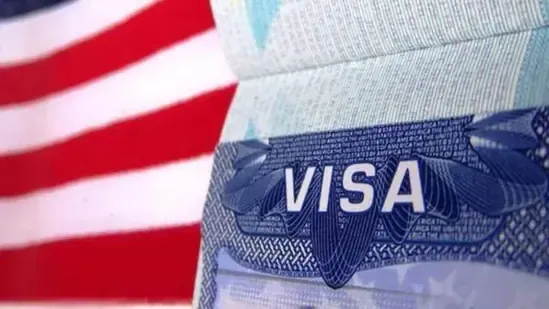
Gautam Dey, an Indian-origin tech professional in the US, shared an emotional LinkedIn post about his inability to visit his mother during her final days due to H-1B visa stamping delays. His mother was hospitalized with stage 4 lung cancer for over two weeks, during which he repeatedly sought a visa appointment but was unsuccessful. Dey described this as his "biggest regret," highlighting the personal challenges faced by workers on temporary visas abroad.
Political Bias
0%100%0%
Sentiment
30%
AI Analysis
Political bias across 2 sources
● Left 0%● Center 100%● Right 0%
The articles present a personal story focusing on the emotional impact of visa delays without engaging in political debate. They highlight the challenges faced by H-1B visa holders, emphasizing individual experience rather than policy critique. The coverage remains centered on human interest, reflecting perspectives of affected workers without partisan framing.
Sentiment — Negative (30/100)
The tone across the articles is predominantly somber and empathetic, conveying grief and regret. The emotional narrative centers on personal loss and frustration due to bureaucratic delays, eliciting sympathy. There is no overtly positive or negative sentiment toward any institution, maintaining a respectful and reflective mood.
How 2 sources covered this story
Each source's own headline, political lean, and sentiment — so you can see framing differences at a glance.
| Source | Their headline | Bias | Sentiment |
|---|---|---|---|
| hindustantimes | Indian-origin H-1B worker's viral post on missing mother's final moments: 'Will carry that pain forever' | Center | Negative |
| news18 | 'Biggest Regret Of My Life': Indian Techie In US Could Not Visit Dying Mother Due To H-1B Visa Delays | Center | Negative |
Coverage timeline
news18 broke this story on 2 May, 01:23 pm. Other outlets followed.
- 1news182 May, 01:23 pm'Biggest Regret Of My Life': Indian Techie In US Could Not Visit Dying Mother Due To H-1B Visa Delays
- 2hindustantimes2 May, 09:10 pmIndian-origin H-1B worker's viral post on missing mother's final moments: 'Will carry that pain forever'
Lens Score breakdown
28/100
Public interest0/100
Coverage gap100%
Well-covered story — coverage matches public importance.
Story context
- Category
- Social
- Location
- United States
- Sources analysed
- 2
- Last analysed
- 2 May 2026
- Key entities
- Travel visaUnited StatesLinkedInLung cancerConsulateIndiaH-1B visaSoftwareEngineerCost of livingWork permitImmigration
Related Coverage
Select a news story to see related coverage from other media outlets.