12 hours agoSocial
28LENS
2 SourcesIndia
 thebalanced.news
India Monitors Isolated Hantavirus Cases Amid Low Risk of Widespread Spread
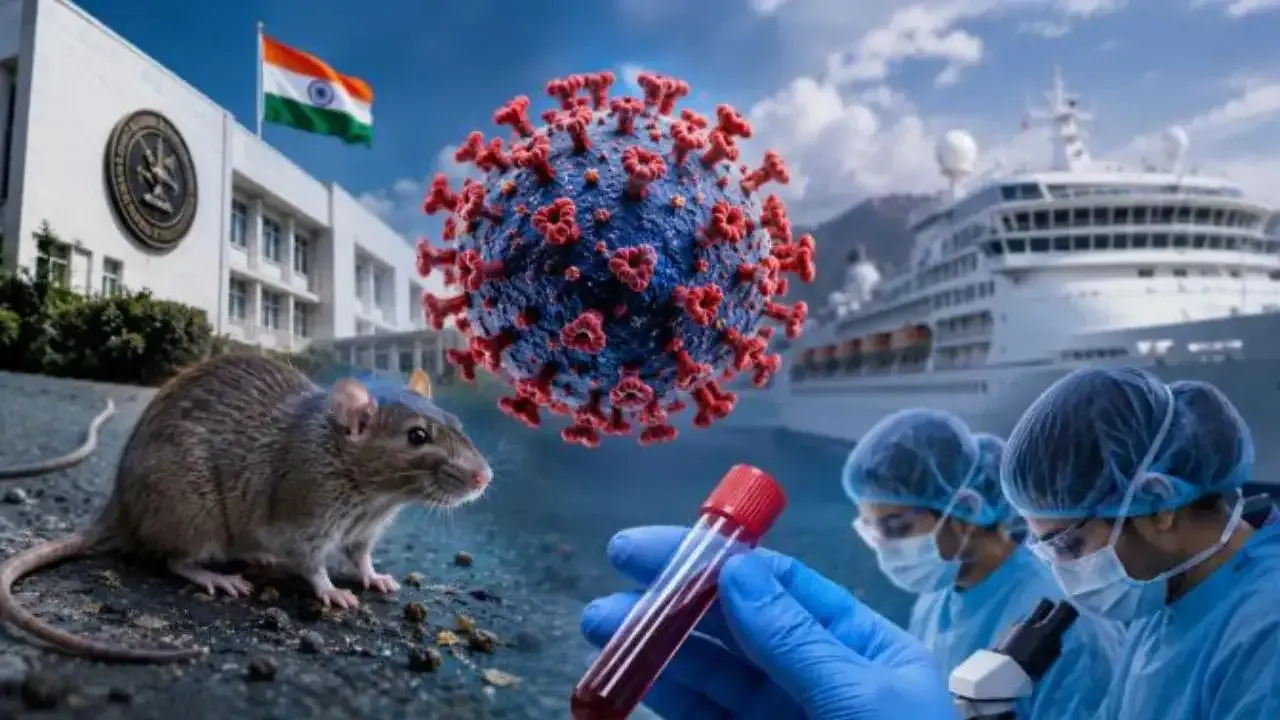
India's health authorities, including the Union Health Ministry and ICMR, are monitoring isolated hantavirus cases with low risk of widespread transmission. Hantavirus, primarily spread through contact with infected rodents or their excreta, differs from COVID-19 as it rarely transmits between humans. Experts note India's rural conditions and seasonal rodent activity may increase exposure risk, but large outbreaks are unlikely. Early symptoms resemble other viral infections, posing challenges for timely diagnosis.
Political Bias
0%100%0%
Sentiment
60%
AI Analysis
Political bias across 2 sources
● Left 0%● Center 100%● Right 0%
The articles present a largely neutral perspective focused on public health information without political framing. They emphasize official monitoring by government and international health bodies and include expert medical opinions. The coverage balances caution with reassurance, avoiding politicization or blame, reflecting a consensus on the low risk and ongoing vigilance.
Sentiment — Neutral (60/100)
The overall tone is measured and informative, combining concern about hantavirus risks with reassurance about its limited transmission potential. The sentiment is neither alarmist nor dismissive, highlighting expert explanations and government preparedness to provide a balanced view that informs without causing undue fear.
How 2 sources covered this story
Each source's own headline, political lean, and sentiment — so you can see framing differences at a glance.
| Source | Their headline | Bias | Sentiment |
|---|---|---|---|
| freepressjournal | Hantavirus Outbreak Explained: How Dangerous Is It For India? Is It More Dangerous Than COVID-19? | Center | Neutral |
| timesnow | ICMR Confirms Hantavirus Cases Are Isolated, India Risk Remains Low | Center | Neutral |
Coverage timeline
timesnow broke this story on 8 May, 12:34 pm. Other outlets followed.
- 1timesnow8 May, 12:34 pmICMR Confirms Hantavirus Cases Are Isolated, India Risk Remains Low
- 2freepressjournal8 May, 02:08 pmHantavirus Outbreak Explained: How Dangerous Is It For India? Is It More Dangerous Than COVID-19?
Lens Score breakdown
28/100
Public interest0/100
Coverage gap100%
Well-covered story — coverage matches public importance.
Who's involved
Institutions and figures named across source coverage.
Government
Union Health MinistryIntegrated Disease Surveillance ProgrammeNational Centre for Disease Control
Story context
- Category
- Social
- Location
- India
- Sources analysed
- 2
- Last analysed
- 8 May 2026
- Key entities
- VirusUrineRodentFecesSalivaIntegrated Disease Surveillance ProgrammeNational Centre for Disease ControlMinistry of Health and Family WelfareWorld Health OrganizationAerosolizationExcretionOrthohantavirus
Related Coverage
Select a news story to see related coverage from other media outlets.