2 hours agoSocial
28LENS
2 SourcesIndia
 thebalanced.news
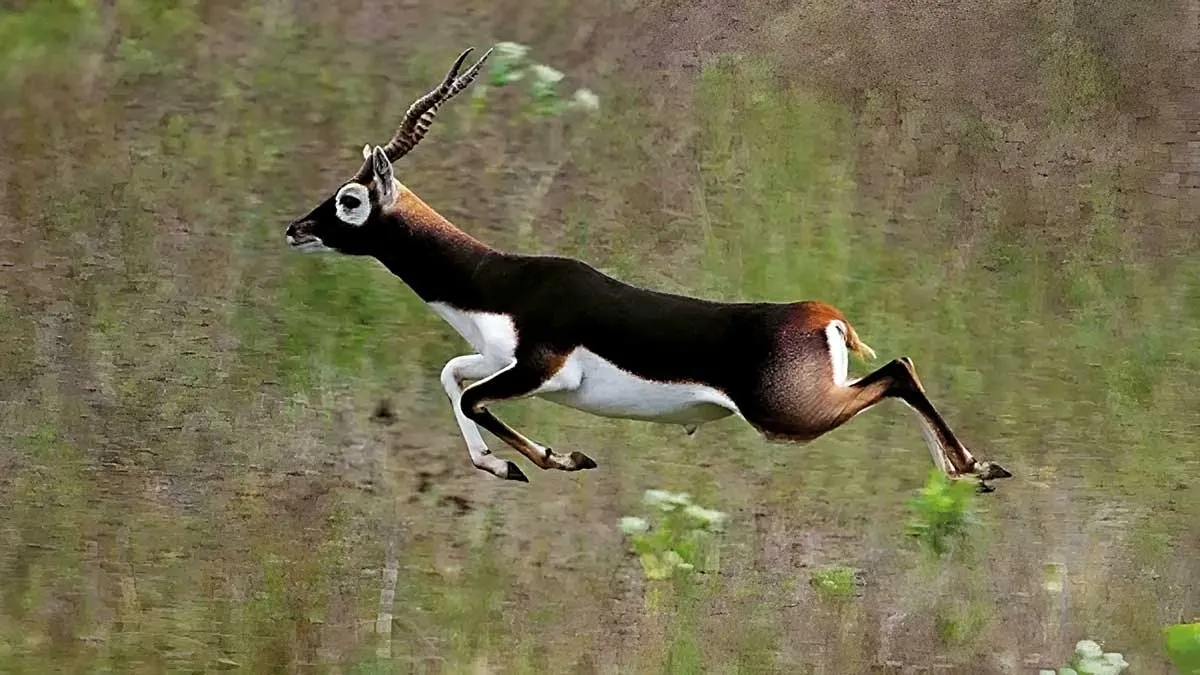
IIT Madras Reports Increase in Blackbuck Population from 12 to 77 by 2026
The Indian Institute of Technology Madras (IIT-M) has reported a significant increase in its blackbuck population, rising from 12 in 2018 to 77 in 2026. This growth reflects successful urban wildlife conservation efforts, including habitat restoration, removal of fences, speed limit enforcement, and control of stray dogs. Blackbucks, native to open grasslands, had declined due to habitat loss and human activity. Experts view IIT-M's recovery as a model for ecological intervention in urban settings.
Political Bias
0%100%0%
Sentiment
75%
AI Analysis
Political bias across 2 sources
● Left 0%● Center 100%● Right 0%
The articles present a largely apolitical narrative focused on environmental conservation, highlighting institutional efforts and expert opinions without political framing. Both sources emphasize scientific and ecological perspectives, avoiding partisan viewpoints or policy debates, thus representing a neutral stance centered on wildlife recovery.
Sentiment — Positive (75/100)
The tone across the articles is positive, celebrating the successful rebound of the blackbuck population at IIT Madras. The coverage highlights effective conservation measures and expert approval, conveying optimism about urban wildlife preservation without overstating or sensationalizing the achievements.
How 2 sources covered this story
Each source's own headline, political lean, and sentiment — so you can see framing differences at a glance.
| Source | Their headline | Bias | Sentiment |
|---|---|---|---|
| indiatoday | Blackbuck bounce back: IIT Madras reports population rising from brink | Center | Positive |
| moneycontrol | Remarkable Comeback! IIT Madras reports rise from 12 to 77 blackbucks in 8 years -- What it means for India?- Moneycontrol.com | Center | Positive |
Coverage timeline
moneycontrol broke this story on 4 May, 06:07 am. Other outlets followed.
- 1moneycontrol4 May, 06:07 amRemarkable Comeback! IIT Madras reports rise from 12 to 77 blackbucks in 8 years -- What it means for India?- Moneycontrol.com
- 2indiatoday4 May, 07:55 amBlackbuck bounce back: IIT Madras reports population rising from brink
Lens Score breakdown
28/100
Public interest0/100
Coverage gap100%
Well-covered story — coverage matches public importance.
Story context
- Category
- Social
- Location
- India
- Sources analysed
- 2
- Last analysed
- 4 May 2026
- Key entities
- BlackbuckConservation biologyIndiaIIT MadrasGrasslandDogPredationHabitatHorn (anatomy)AntelopeGrazingChennai
Related Coverage
Select a news story to see related coverage from other media outlets.