3 hours agoSocial
26LENS
2 SourcesKabul, Afghanistan
 thebalanced.news
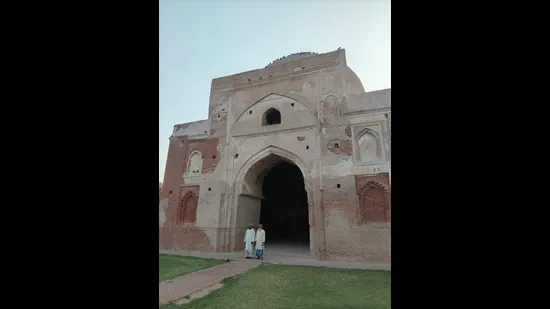
Kabuli Bagh Mosque Marks 500 Years Since Babur's Victory at Panipat
The Kabuli Bagh Mosque, built by Mughal ruler Babur in 1526 to mark his victory in the First Battle of Panipat, stands as a 500-year-old historical monument in India. While the mosque no longer hosts prayers, it preserves the memory of Babur's conquest over Sultan Ibrahim Lodhi. Despite Babur's military success with a smaller, isolated army facing local hostility, his tactical use of firepower secured his victory, laying the foundation for the Mughal Empire amid complex social and religious dynamics.
Political Bias
5%93%2%
Sentiment
62%
AI Analysis
Political bias across 2 sources
● Left 5%● Center 93%● Right 2%
The articles present a historical perspective focusing on Babur's military achievement and the mosque's legacy without political partisanship. They include viewpoints highlighting both the monument's cultural significance and the contested nature of Babur's acceptance among local populations, reflecting scholarly and public historical interpretations rather than contemporary political debates.
Sentiment — Neutral (62/100)
The tone across the articles is largely neutral and informative, combining respect for the historical monument with critical reflection on Babur's complex legacy. While there is admiration for the mosque's endurance and Babur's tactical skill, the coverage also acknowledges local resistance and the mosque's current non-functional status, resulting in a balanced and measured sentiment.
How 2 sources covered this story
Each source's own headline, political lean, and sentiment — so you can see framing differences at a glance.
| Source | Their headline | Bias | Sentiment |
|---|---|---|---|
| hindustantimes | Battle of Panipat's legacy: 500-year-old Kabuli Bagh Masjid stands tall | Center | Neutral |
| indianexpress | 500 years of Mughals: An Expert Explains how Babur came to conquer Hindustan | Center | Neutral |
Coverage timeline
indianexpress broke this story on 21 Apr, 12:45 am. Other outlets followed.
- 1indianexpress21 Apr, 12:45 am500 years of Mughals: An Expert Explains how Babur came to conquer Hindustan
- 2hindustantimes21 Apr, 01:14 amBattle of Panipat's legacy: 500-year-old Kabuli Bagh Masjid stands tall
Lens Score breakdown
26/100
Public interest0/100
Coverage gap100%
Well-covered story — coverage matches public importance.
Who's involved
Institutions and figures named across source coverage.
Government
Archaeological Survey of India
Story context
- Category
- Social
- Location
- Kabul, Afghanistan
- Sources analysed
- 2
- Last analysed
- 21 Apr 2026
- Key entities
- BaburIbrahim LodiLodi dynastyIndiaBiharDargahDelhiPanipatMosqueFirst Battle of PanipatMihrabMughal emperors
Related Coverage
Select a news story to see related coverage from other media outlets.