2 hours agoSocial
34LENS
2 SourcesIndia
 thebalanced.news
India Faces Early Heatwaves with Rising Temperatures and Increased Risks
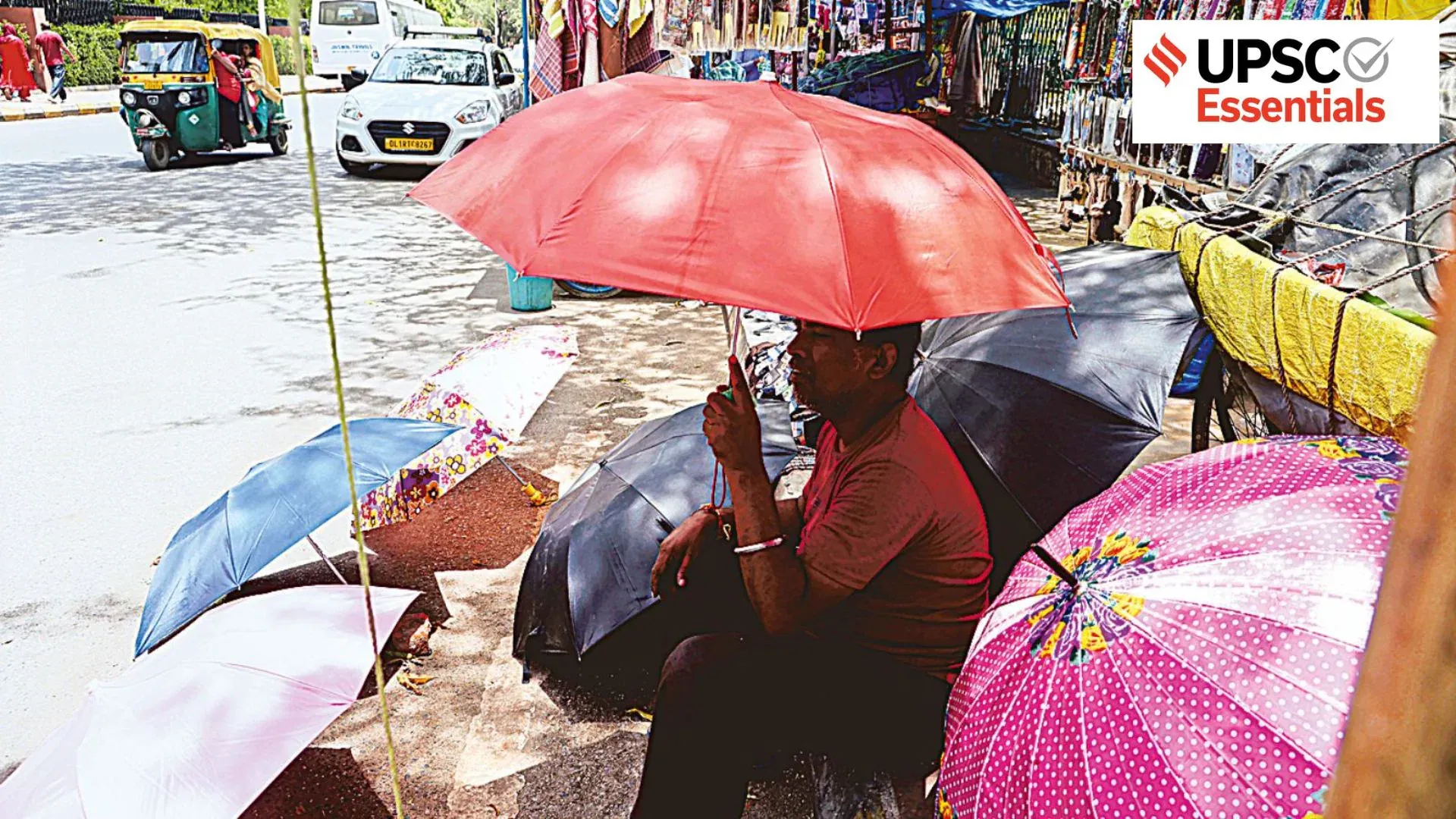
India is experiencing early and intense heatwaves, with temperatures in April rising above long-term averages, notably in Delhi-NCR and northern regions. The India Meteorological Department defines heatwaves based on regional temperature thresholds and issues warnings accordingly. Studies indicate an increase in the frequency and duration of extreme heat days and nights over recent decades, impacting agriculture and public health. Reports from international organizations highlight rising risks to food systems and ecosystems due to escalating heat events linked to climate change.
Political Bias
5%93%2%
Sentiment
42%
AI Analysis
Political bias across 2 sources
● Left 5%● Center 93%● Right 2%
The articles present scientific and institutional perspectives without partisan framing, focusing on meteorological data, research findings, and international reports. They include government agency information and independent research institutions, reflecting a consensus on climate trends and impacts without political commentary or blame attribution.
Sentiment — Neutral (42/100)
The tone across the articles is cautionary and informative, emphasizing concern over rising temperatures and their effects on health and agriculture. The coverage is largely neutral, highlighting factual data and expert analysis without sensationalism, while acknowledging the seriousness of heatwaves as a growing environmental challenge.
How 2 sources covered this story
Each source's own headline, political lean, and sentiment — so you can see framing differences at a glance.
| Source | Their headline | Bias | Sentiment |
|---|---|---|---|
| indiatoday | Heatwaves are a menace we cannot afford to ignore | Center | Negative |
| indianexpress | Amid growing heatwaves, how India protects its heat-exposed populace | Center | Neutral |
Coverage timeline
indianexpress broke this story on 23 Apr, 01:41 pm. Other outlets followed.
- 1indianexpress23 Apr, 01:41 pmAmid growing heatwaves, how India protects its heat-exposed populace
- 2indiatoday23 Apr, 02:58 pmHeatwaves are a menace we cannot afford to ignore
Lens Score breakdown
34/100
Public interest0/100
Coverage gap100%
Well-covered story — coverage matches public importance.
Who's involved
Institutions and figures named across source coverage.
Government
National Crime Records BureauDelhi Heat Action PlanNational Disaster Management AuthorityUttar Pradesh State Disaster Management AuthorityIndia Meteorological DepartmentAhmedabad Municipal Corporation
Story context
- Category
- Social
- Location
- India
- Sources analysed
- 2
- Last analysed
- 23 Apr 2026
- Key entities
- Heat waveIndia Meteorological DepartmentTemperatureIndiaFrequencyUrban heat islandIPCC Sixth Assessment ReportNational Disaster Management Authority (Pakistan)Human impact on the environmentPopulation densityAnxietyNational Crime Records Bureau
Related Coverage
Select a news story to see related coverage from other media outlets.