12 minutes agoSocial
26LENS
19 SourcesHyderabad, India
 thebalanced.news
Hantavirus Outbreak Highlights Rare Human Transmission and Indian Surveillance Efforts
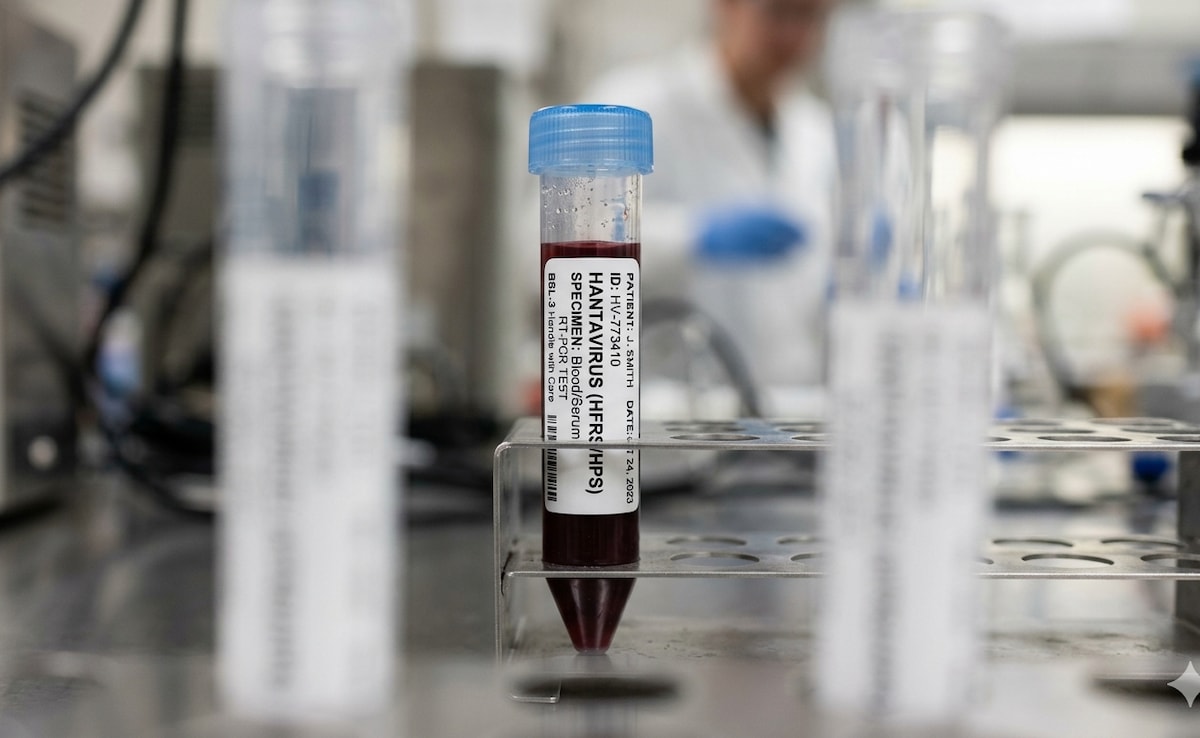
Hantavirus is a rare rodent-borne viral infection primarily transmitted through inhalation of aerosolised particles from infected rodent urine, droppings, or saliva, especially in poorly ventilated spaces. While most strains do not spread between humans, the Andes virus strain, linked to recent outbreaks including on the MV Hondius cruise ship, can rarely transmit person-to-person. Symptoms often mimic flu but can rapidly progress to severe respiratory illness with high mortality. Indian health authorities have activated surveillance protocols, emphasizing awareness and hygiene to prevent infection.
Political Bias
0%100%0%
Sentiment
50%
AI Analysis
Political bias across 19 sources
● Left 0%● Center 100%● Right 0%
The article group presents a range of perspectives from medical experts, health authorities, and affected individuals without political framing. Coverage includes official responses from Indian health agencies, international health organizations, and personal accounts from outbreak regions. The sources focus on scientific explanations, public health measures, and factual reporting, reflecting a neutral stance without partisan interpretation or political commentary.
Sentiment — Neutral (50/100)
The overall tone across the articles is cautious and informative, balancing concern about the severity and mortality risk of hantavirus with reassurances about its rarity and low public health threat in India. Emotional narratives from outbreak survivors add human interest without sensationalism. The sentiment is mixed, combining awareness and vigilance with calls for calm and preventive action.
How 15 sources covered this story
Each source's own headline, political lean, and sentiment — so you can see framing differences at a glance.
Coverage timeline
ndtv broke this story on 10 May, 03:52 pm. Other outlets followed.
- 1ndtv10 May, 03:52 pmHow Quickly Can Hantavirus Turn Severe? Doctors Explain The Timeline
- 2ndtv10 May, 08:30 pmHantavirus Myths vs Facts: 7 Myths About The Viral Illness You Should Stop Believing
- 3indianexpress11 May, 02:29 amHantavirus outbreak sees 2 Indians quarantined in Netherlands: Why the virus's long incubation matters
- 4hindustantimes11 May, 04:08 amHantavirus explained: Can it spread from person to person? Bengaluru doctor reveals everything Indians should know
- 5ndtv11 May, 04:44 amHantavirus Surveillance: India Deploys 165-Lab Viral Shield' To Track Virus Spread
- 6ndtv11 May, 06:34 amHow Aerosolised Rodent Droppings Spread Hantavirus Infection Indoors
- 7ndtv11 May, 08:55 amHantavirus Outbreak Renews Painful Memories For Patagonian Village
- 8ndtv11 May, 09:35 am"Family Table Was Left Empty": Hantavirus Renews Memories Of 2018 Outbreak
- 9english11 May, 10:42 amDoc Talk Should India Introduce Airport Screening For Hantavirus? Doctors Weigh In
- 10ndtv11 May, 12:49 pmDoctor Explains Why Hantavirus Pulmonary Syndrome Has A High Mortality Risk
Lens Score breakdown
26/100
Public interest0/100
Coverage gap90%
Well-covered story — coverage matches public importance.
Who's involved
Institutions and figures named across source coverage.
Government
Health DepartmentGovernment Medical CollegeInstitute of Advanced Virology
Story context
- Category
- Social
- Location
- Hyderabad, India
- Sources analysed
- 19
- Last analysed
- 11 May 2026
- Key entities
- OrthohantavirusFecesInfectionVirusIndiaUrineRodentFeverSalivaInfluenzaNDTVCoronavirus
Related Coverage
Select a news story to see related coverage from other media outlets.