1 hour agoSocial
30LENS
2 SourcesSouth Carolina, United States
 thebalanced.news
Supreme Court Allows 15-Year-Old Rape Survivor to Terminate 30-Week Pregnancy
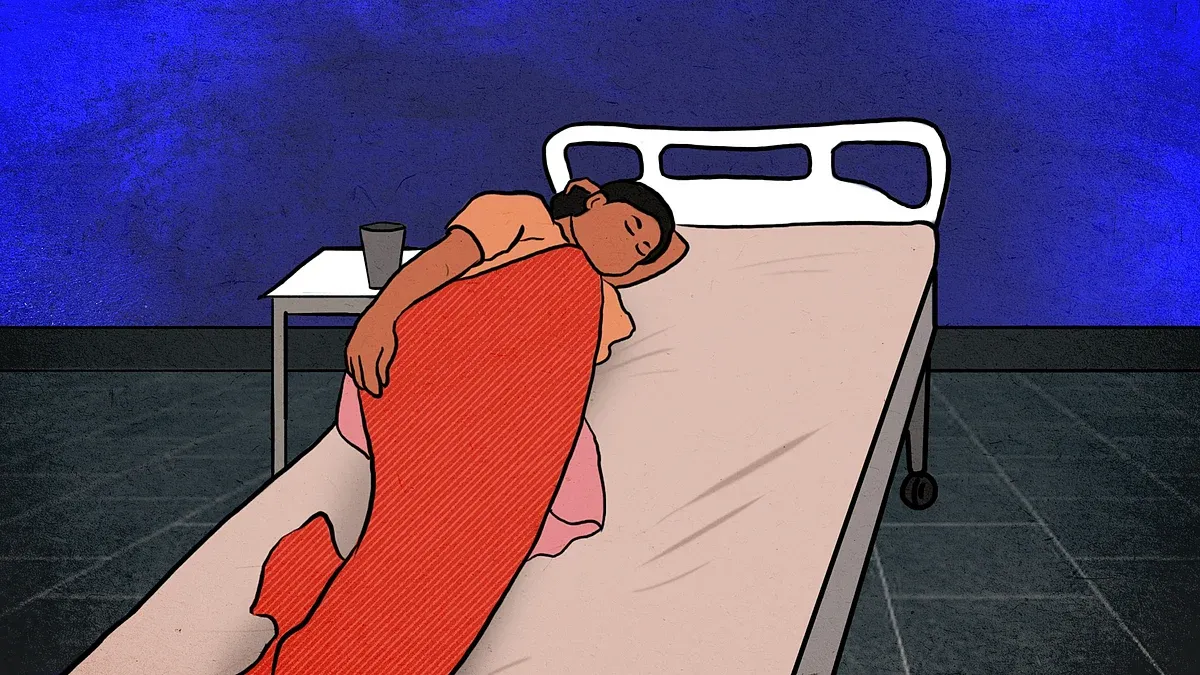
The Supreme Court of India permitted a 15-year-old rape survivor to terminate her 30-week pregnancy, overruling earlier restrictions under the Medical Termination of Pregnancy Act, which sets a 24-week limit for special cases. The All India Institute of Medical Sciences had challenged the termination, citing foetal viability, while the court emphasized the survivor's right to bodily autonomy and dignity. Experts note that despite legal amendments, abortion access in India remains permission-based, with medical boards often advocating for foetal rights not fully recognized by law.
Political Bias
70%30%0%
Sentiment
50%
AI Analysis
Political bias across 2 sources
● Left 70%● Center 30%● Right 0%
The articles present perspectives emphasizing constitutional rights and legal frameworks without partisan framing. One source highlights the Supreme Court's assertion of bodily autonomy against institutional constraints, while the other discusses medical boards' roles and legal interpretations. Both reflect concerns about the adequacy of existing abortion laws and the balance between foetal rights and women's rights, representing legal, medical, and human rights viewpoints.
Sentiment — Neutral (50/100)
The overall tone is cautiously supportive of the Supreme Court's decision, framing it as a positive affirmation of individual rights and dignity. While acknowledging medical and legal complexities, the coverage critiques existing statutory limitations and institutional challenges, resulting in a mixed but predominantly constructive sentiment toward expanding abortion access for vulnerable groups.
How 2 sources covered this story
Each source's own headline, political lean, and sentiment — so you can see framing differences at a glance.
| Source | Their headline | Bias | Sentiment |
|---|---|---|---|
| thetelegraph | Rights first: Editorial on SC decision allowing minor rape survivor to terminate 30-week pregnancy | Left | Neutral |
| newslaundry | Medical boards are gatekeeping abortion access | Left | Neutral |
Coverage timeline
newslaundry broke this story on 11 May, 03:34 am. Other outlets followed.
- 1newslaundry11 May, 03:34 amMedical boards are gatekeeping abortion access
- 2thetelegraph11 May, 03:47 amRights first: Editorial on SC decision allowing minor rape survivor to terminate 30-week pregnancy
Lens Score breakdown
30/100
Public interest0/100
Coverage gap100%
Well-covered story — coverage matches public importance.
Accountability flags
TBN's analysis identified the following accountability dimensions in this story.
- rights violation
This story involves alleged violations of constitutional or human rights — freedom of expression, due process, custodial rights, minority rights.
Who's involved
Institutions and figures named across source coverage.
Government
All India Institute of Medical SciencesCentreGovernment of IndiaDelhi High CourtSupreme Court
Judiciary
Delhi High CourtSupreme Court
Story context
- Category
- Social
- Location
- South Carolina, United States
- Sources analysed
- 2
- Last analysed
- 11 May 2026
- Key entities
- RapeAbortionPregnancyFetusMinor (law)Constitutional rightMedia Transfer ProtocolFundamental rightsAll India Institutes of Medical SciencesSupreme Court of the United StatesIndiaReproductive rights
Related Coverage
Select a news story to see related coverage from other media outlets.