1 hour agoSocial
28LENS
2 Sources
 thebalanced.news
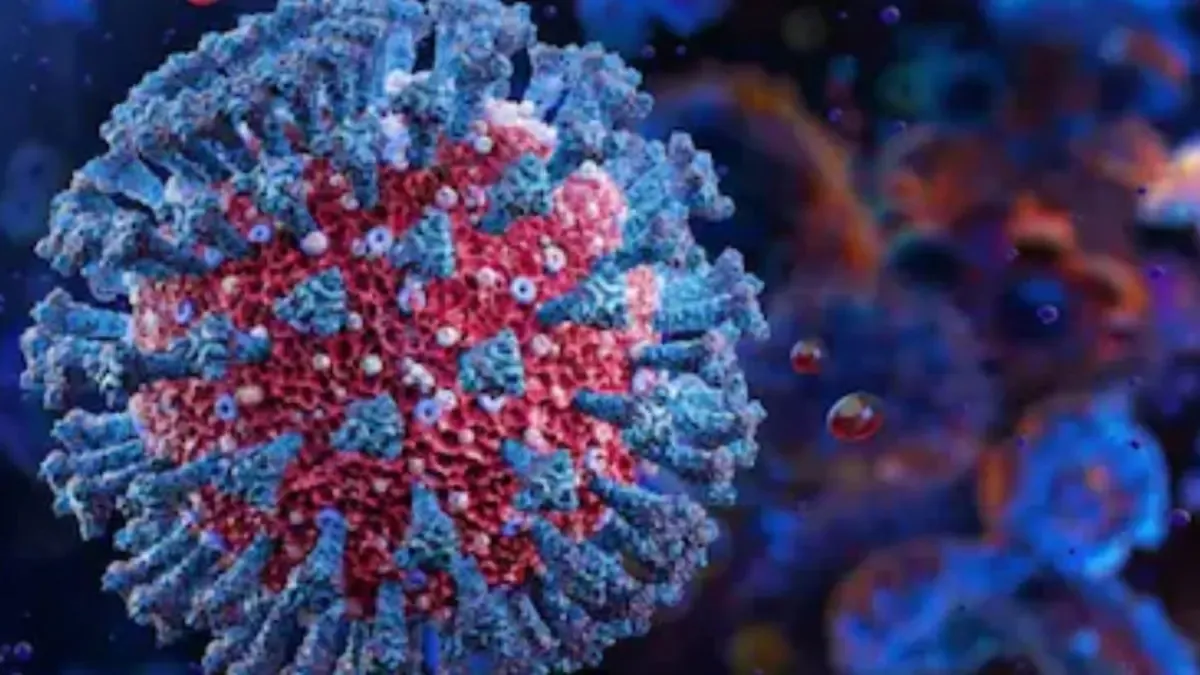
Comparison of Hantavirus and Coronavirus: Transmission, Contagiousness, and Symptoms
Hantavirus and coronavirus both cause flu-like symptoms such as fever and fatigue, complicating early diagnosis. Hantavirus primarily spreads from rodents to humans through inhalation of contaminated particles, with human-to-human transmission being extremely rare. In contrast, coronavirus spreads easily between people via respiratory droplets and aerosols, leading to widespread outbreaks. While coronavirus is more contagious and has caused a global pandemic, hantavirus outbreaks tend to be localized and linked to environmental exposure.
Political Bias
0%100%0%
Sentiment
50%
AI Analysis
Political bias across 2 sources
● Left 0%● Center 100%● Right 0%
The articles present scientific and medical perspectives without political framing, focusing on factual differences between hantavirus and coronavirus. Expert opinions are cited to explain transmission and risk, with no evident partisan viewpoints or political agendas influencing the coverage.
Sentiment — Neutral (50/100)
The tone across the articles is neutral and informative, aiming to educate readers about the differences between the two viruses. There is no sensationalism or alarmist language; instead, the coverage emphasizes understanding transmission and symptoms to inform public awareness.
How 2 sources covered this story
Each source's own headline, political lean, and sentiment — so you can see framing differences at a glance.
| Source | Their headline | Bias | Sentiment |
|---|---|---|---|
| timesnow | Hantavirus vs COVID-19: One Deadlier, One More Contagious - Experts Explain | Center | Neutral |
| news18 | Hantavirus Vs Coronavirus: Which Is Deadlier, Which Spreads Faster, Symptoms And Who Is Most At Risk | Center | Neutral |
Coverage timeline
news18 broke this story on 5 May, 04:20 pm. Other outlets followed.
- 1news185 May, 04:20 pmHantavirus Vs Coronavirus: Which Is Deadlier, Which Spreads Faster, Symptoms And Who Is Most At Risk
- 2timesnow6 May, 07:15 amHantavirus vs COVID-19: One Deadlier, One More Contagious - Experts Explain
Lens Score breakdown
28/100
Public interest0/100
Coverage gap100%
Well-covered story — coverage matches public importance.
Story context
- Category
- Social
- Sources analysed
- 2
- Last analysed
- 6 May 2026
- Key entities
- OrthohantavirusRodentUrineFecesSalivaCOVID-19FatigueInfluenza-like illnessViral diseaseFeverHeadacheInfection
Related Coverage
Select a news story to see related coverage from other media outlets.