1 hour agoSocial
30LENS
2 SourcesUttarakhand, India
 thebalanced.news
Severe Heatwave Drives Tourists to Hill Stations Amid Rising Temperatures in Northern India
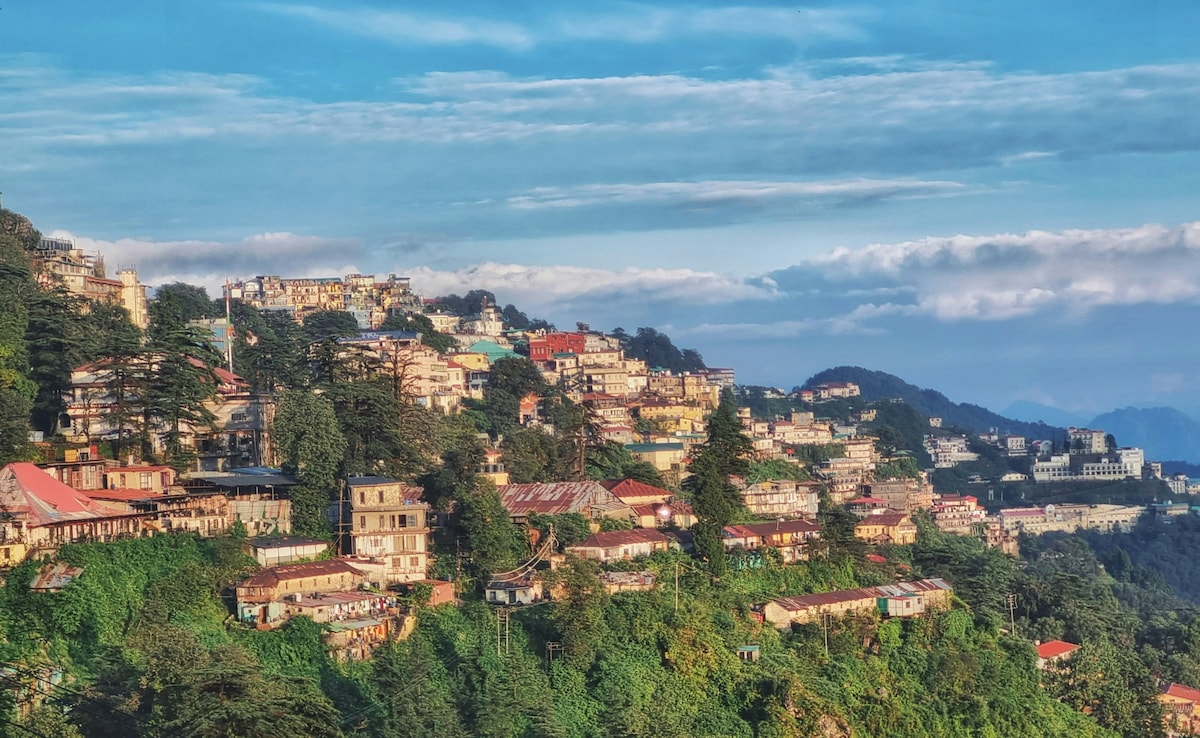
A severe heatwave is affecting northern India in 2026, with Delhi recording temperatures up to 42.8°C, prompting a yellow alert and heatwave action plans. This extreme heat has driven tourists from Delhi to hill stations like Mussoorie seeking cooler weather, aided by improved road access. However, popular mountain destinations across Himachal Pradesh and Uttarakhand are also experiencing unusually high temperatures, reducing their traditional relief from summer heat and raising concerns about sustained heatwave conditions in the region.
Political Bias
0%100%0%
Sentiment
48%
AI Analysis
Political bias across 2 sources
● Left 0%● Center 100%● Right 0%
The articles primarily present factual reporting on weather conditions and tourist responses without evident political framing. They include official meteorological data and government-issued alerts, reflecting a neutral stance focused on public information. There is no partisan commentary or political critique, and perspectives center on environmental and social impacts rather than political viewpoints.
Sentiment — Neutral (48/100)
The overall tone is informative with a focus on the challenges posed by the heatwave, including health risks and disrupted travel patterns. While the coverage highlights discomfort and concern due to rising temperatures, it also notes tourists seeking relief in hill stations. The sentiment is thus mixed, combining caution about heatwave impacts with descriptions of adaptive behaviors.
How 2 sources covered this story
Each source's own headline, political lean, and sentiment — so you can see framing differences at a glance.
| Source | Their headline | Bias | Sentiment |
|---|---|---|---|
| indiatoday | No relief in the hills: India's mountains are sizzling with record heat this summer | Center | Negative |
| ndtv | Delhi's Severe Heatwave Drives Tourists To Mussoorie Over The Weekend | Center | Neutral |
Coverage timeline
ndtv broke this story on 26 Apr, 02:25 pm. Other outlets followed.
- 1ndtv26 Apr, 02:25 pmDelhi's Severe Heatwave Drives Tourists To Mussoorie Over The Weekend
- 2indiatoday27 Apr, 07:18 amNo relief in the hills: India's mountains are sizzling with record heat this summer
Lens Score breakdown
30/100
Public interest0/100
Coverage gap100%
Well-covered story — coverage matches public importance.
Who's involved
Institutions and figures named across source coverage.
Government
India Meteorological DepartmentNational Highways Authority of India
Story context
- Category
- Social
- Location
- Uttarakhand, India
- Sources analysed
- 2
- Last analysed
- 27 Apr 2026
- Key entities
- Heat waveNorth IndiaUttarakhandMussoorieHill stationHimachal PradeshIndiaDelhiAsian News InternationalDehradunTraffic congestionControlled-access highway
Related Coverage
Select a news story to see related coverage from other media outlets.