2 hours agoSocial
29LENS
4 SourcesAmritsar, India
 thebalanced.news
Early Heatwave in India Raises Heatstroke Risks and Calls for Preventive Measures
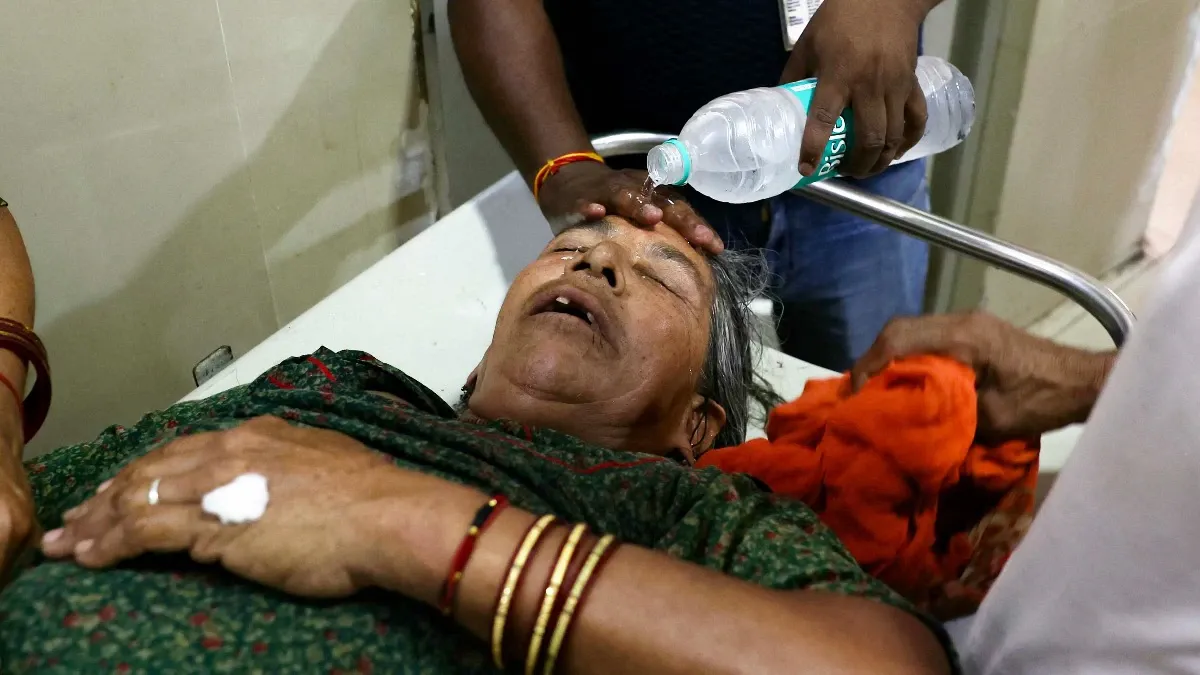
India is experiencing an early and intense heatwave, with temperatures in regions like Delhi-NCR and Amritsar reaching unusually high levels in April. Medical experts report earlier onset of heat-related symptoms such as dehydration, dizziness, and fatigue, warning that repeated mild heat stress may lead to severe illness. Authorities advise avoiding outdoor activities during peak heat hours, staying well-hydrated with fluids like water and ORS, wearing light clothing, and seeking medical help if symptoms worsen, especially for vulnerable groups.
Political Bias
0%100%0%
Sentiment
53%
AI Analysis
Political bias across 4 sources
● Left 0%● Center 100%● Right 0%
The article group presents a largely apolitical perspective focused on public health and safety amid rising temperatures. Sources include medical professionals and government health officials providing factual information and advisories. There is no evident political framing or partisan viewpoints; coverage centers on practical guidance and scientific observations regarding heat-related health risks.
Sentiment — Neutral (53/100)
The overall tone is cautionary and informative, emphasizing health risks associated with early and intense heatwaves. While the coverage highlights concerns about rising temperatures and their effects, it maintains a neutral and practical approach by focusing on prevention and medical advice rather than alarm or optimism.
How 4 sources covered this story
Each source's own headline, political lean, and sentiment — so you can see framing differences at a glance.
| Source | Their headline | Bias | Sentiment |
|---|---|---|---|
| indiatvnews | Delhi-NCR heat touches 42 C: Heatstroke signs, how much water to drink, and daily habits to stay safe | Center | Neutral |
| timesnow | Avoid 11 AM-4 PM Outdoors - How to Stay Safe from Heatstroke, Dehydration Extreme Heat Risks | Center | Neutral |
| thetribune | Unusual April heat: Amritsar is scorching, Golden Temples city likely to touch 39 degrees - The Tribune | Center | Neutral |
| indiatoday | It's not just the temperature. Heatstroke risk is rising even before peak summer | Center | Neutral |
Coverage timeline
indiatoday broke this story on 21 Apr, 11:21 am. Other outlets followed.
- 1indiatoday21 Apr, 11:21 amIt's not just the temperature. Heatstroke risk is rising even before peak summer
- 2thetribune22 Apr, 04:18 amUnusual April heat: Amritsar is scorching, Golden Temples city likely to touch 39 degrees - The Tribune
- 3timesnow22 Apr, 07:28 amAvoid 11 AM-4 PM Outdoors - How to Stay Safe from Heatstroke, Dehydration Extreme Heat Risks
- 4indiatvnews22 Apr, 08:16 amDelhi-NCR heat touches 42 C: Heatstroke signs, how much water to drink, and daily habits to stay safe
Lens Score breakdown
29/100
Public interest0/100
Coverage gap90%
Well-covered story — coverage matches public importance.
Who's involved
Institutions and figures named across source coverage.
Government
Health DepartmentCivil HospitalMeteorological DepartmentGovernment Hospital
Corporate
CK Birla HospitalsFortis Escorts Hospital
Story context
- Category
- Social
- Location
- Amritsar, India
- Sources analysed
- 4
- Last analysed
- 22 Apr 2026
- Key entities
- Heat strokeDehydrationDizzinessHeat waveFatigueHeadacheHyperthermiaPerspirationHeat illnessSyncope (medicine)TemperatureFluid
Related Coverage
Select a news story to see related coverage from other media outlets.